Get Full Government Meeting Transcripts, Videos, & Alerts Forever!
Get email alerts on the Land Use topic
No spam. Unsubscribe anytime.
Residents press supervisors to protect rural Hanover, raise concerns about data centers and proposed quarry
Summary
Multiple residents urged the board to keep rural A‑1 areas intact amid four proposed data centers and a proposed Noel Rock Quarry, citing groundwater limits, road safety, air/noise impacts and the risk of precedent from comp plan changes.
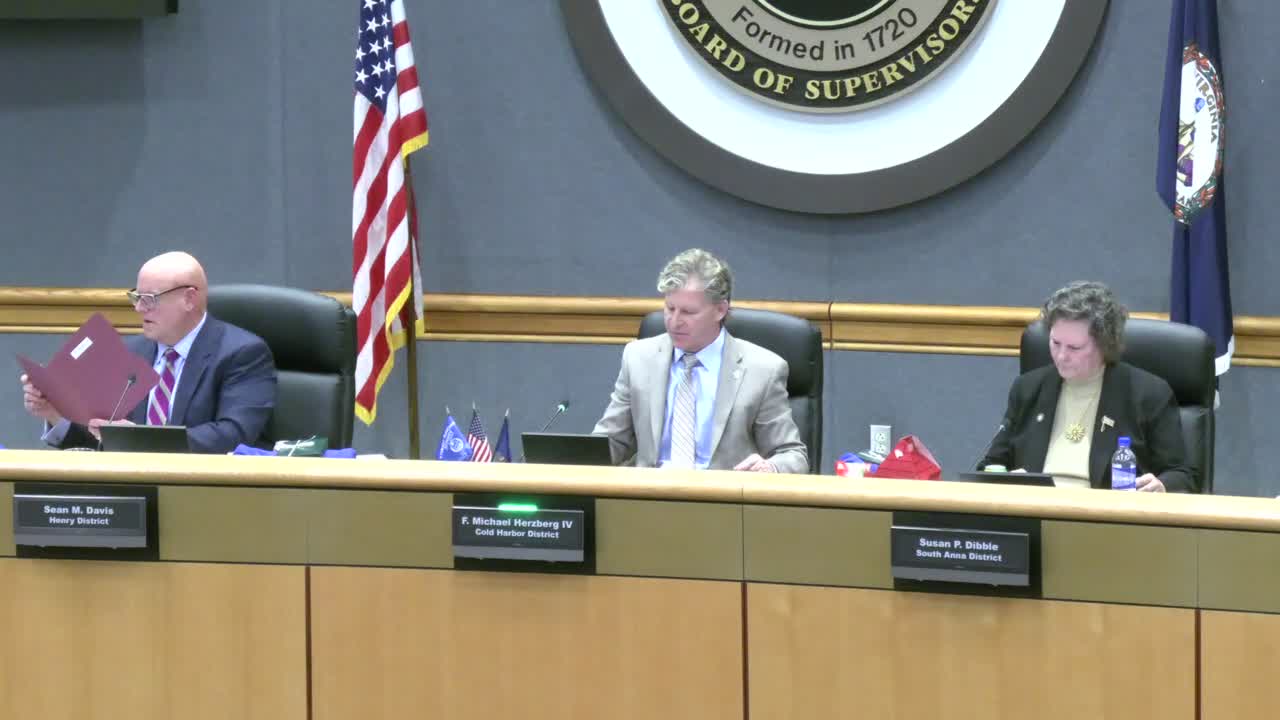
Several residents used the public comment periods to press the Board of Supervisors to preserve Hanover’s rural character and to oppose recent land‑use proposals, including four proposed data centers and the Noel Rock Quarry application.
Speakers described their objections in similar terms: pressure on roads not designed for sustained industrial traffic, potential strain on limited groundwater resources, air‑quality and blasting concerns tied to quarrying, and risk that a single comp plan amendment would set a corridor precedent enabling additional industrial conversion. Steve Dils urged supervisors to reject zoning and comp plan changes that would allow industrial uses outside the suburban service area, calling such approvals the mechanism by which rural character is “lost quietly, approvals at a time.” Rhonda Hammond, speaking about the Noel Rock Quarry application, said the site lies in A‑1 zoning and within resource protection/flood‑related buffers and argued the proposal is incompatible with the county’s comprehensive plan.
Speakers also raised process and equity concerns: several urged the county to stagger major applications so residents can respond meaningfully rather than face multiple complex proposals simultaneously. Others cited examples from other localities where data‑center tax arrangements produced less local tax revenue than expected.
Board members and staff responded by reiterating process constraints: comp plan amendments and rezonings require public notice and hearings; the board cannot unilaterally remove applications from public process without action on the record. Several supervisors said they support maximum disclosure and quick public availability of project information while acknowledging limits on forcing residents to access it.
No final land‑use decisions on the data centers or quarry were taken at this meeting; speakers asked the board to consider spacing, infrastructure impacts, and full environmental reviews as those applications proceed through planning and public‑hearing processes.