Get Full Government Meeting Transcripts, Videos, & Alerts Forever!
Get email alerts on the Comprehensive Plan topic
No spam. Unsubscribe anytime.
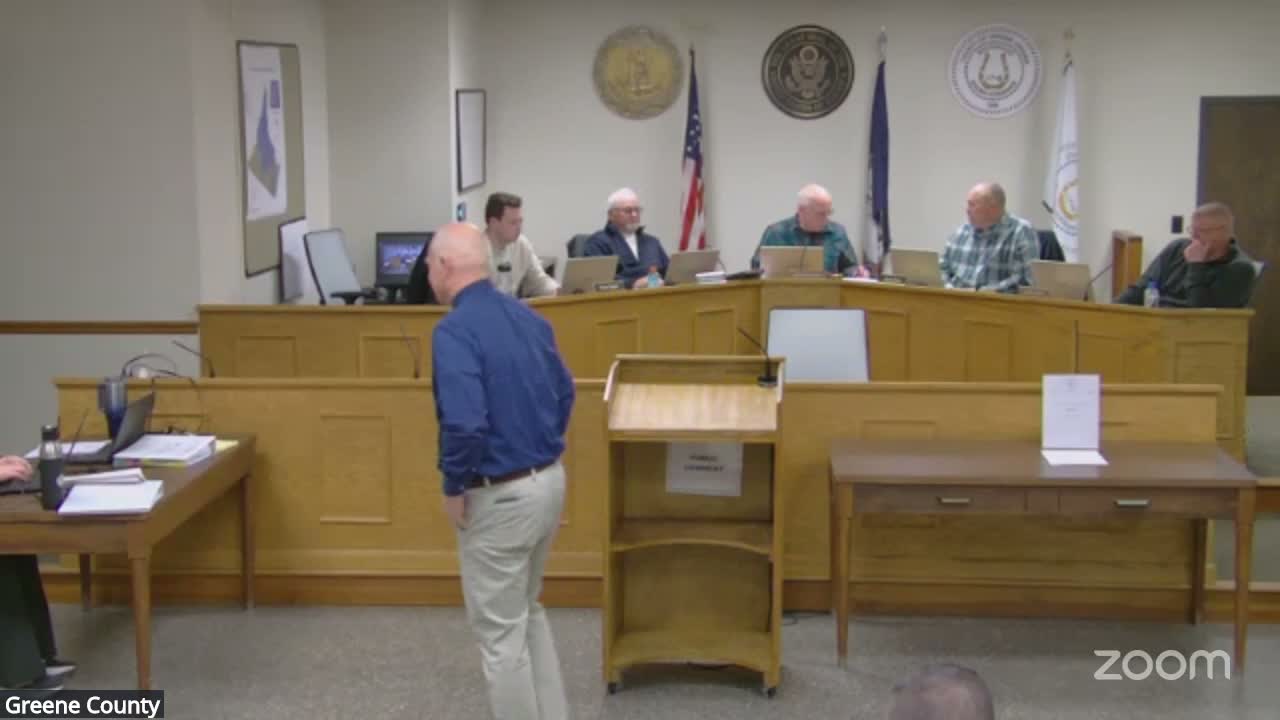
Greene County planning commission starts comprehensive‑plan update discussion; ADUs and outreach methods flagged
Summary
Commissioners began scoping a comprehensive plan update, focusing on wider public engagement, consultant support and potential revisions to accessory dwelling unit (ADU) rules and parking/sidewalk standards to address affordability and walkability.
Greene County planning commissioners used the organizational meeting to begin early scoping for the county’s next comprehensive plan update, emphasizing public engagement strategies and possible ordinance changes on accessory dwelling units (ADUs), parking and sidewalks.
Staff reminded commissioners the comprehensive plan is a long‑range, 20‑year document reviewed every five years and asked for input on outreach approaches. Commissioners suggested a mix of in‑community events (tabling at the Black Bear Festival, farmers markets, and local churches), targeted workshops and 'meeting in a box' sessions run by trusted community partners. Staff said the county will pursue consultant support for structured workshops and will have budget clarity in April.
On ADUs, participants noted emerging state proposals that could expand ADU allowances and discussed local constraints such as owner‑occupancy requirements and size limits. Commissioners raised a caution that ADUs could be repurposed as short‑term rentals, potentially undermining affordability goals; staff said short‑term rentals are currently disallowed in residential districts and referenced the county’s lodging registry (about 186 units) as context for that concern.
Commissioners also discussed revising parking minimums and sidewalk requirements — particularly in Rutgersville and new PUDs — to reduce impervious surfaces and improve walkability. Staff recommended using consultant expertise and new ordinance‑comparison software to align local code with the comprehensive plan and state requirements.
Next steps: staff will develop engagement and consultant recommendations for the commission and seek budget direction from the Board of Supervisors.