
Nebraska bill would impose 75‑day 'shot clock' and by‑right approvals to speed housing projects
Get AI-powered insights, summaries, and transcripts
Subscribe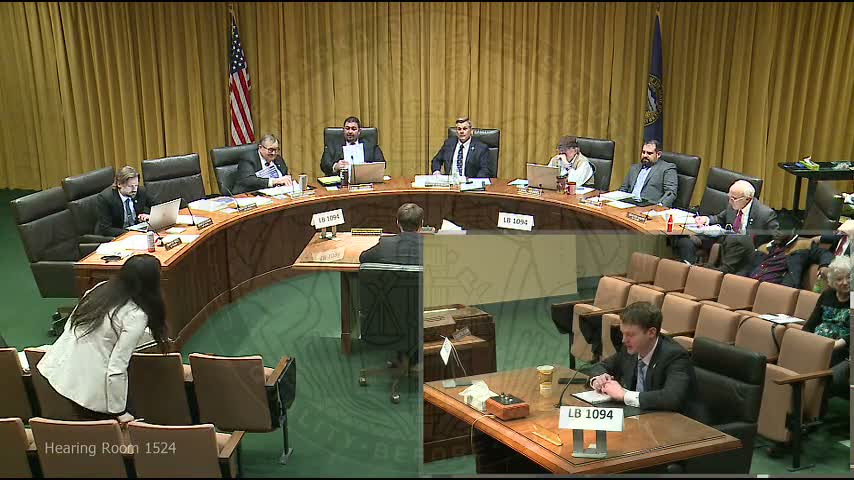
Summary
LB1094 would require permitting authorities to act on applications within 75 days and require approval of projects that meet local zoning rules. Proponents say the changes combat costly delays that hinder housing production; city planners and municipal associations urged clearer definitions and cautioned the timeline may not fit larger entitlement processes.
Senator Beau Ballard, R‑District 21, told the Revenue Committee that LB1094 aims to increase the supply of housing by forcing timelier action by local permitting authorities and by ensuring that projects compliant with zoning rules are approved by right. "Permitting authorities have 75 days to approve or deny an application," Ballard said, adding that projects that meet local requirements should not be delayed by discretionary reviews.
Why it matters: Ballard and builders argued that months‑long delays increase development costs, raise housing prices and reduce the feasibility of missing‑middle and accessory dwelling unit projects. Supporters — including development and builders associations, AARP Nebraska and local housing nonprofits — urged the committee to advance the bill with clarified definitions and safeguards to protect legitimate public‑interest review.
Cities and planning departments push back: Lincoln and Omaha planning officials and municipal associations said the bill’s 75‑day timeline may be feasible for simple building permits but not for entitlements and subdivisions that require public notice, multiple hearings and utility capacity reviews. Lincoln’s director said the city is already implementing process improvements and is willing to work with the sponsor on definitions to avoid unintended consequences.
Proponents’ suggested fixes: Developers asked for clearer application‑completeness standards and distinctions between purely administrative approvals and discretionary land‑use decisions. AARP and community development advocates said by‑right approvals could help build age‑friendly and workforce housing if paired with transparency and standards for application completeness.
Committee disposition: Ballard said he will work with municipal officials to refine definitions and acknowledged the need to exempt or tailor timelines for complex entitlement processes in larger jurisdictions. The hearing ended with the committee urging follow‑up conversations before formal action.