Nebraska advances livestock‑siting bill after negotiations to protect county process and family farms
Loading...
Summary
LB663, which sets timelines for county conditional‑use reviews for livestock siting and adds continuing‑education requirements for planning commissioners, was advanced after compromise amendments addressing NACO and stakeholder concerns were adopted.
The Nebraska Legislature advanced LB663 on Jan. 28 after senators debated a proposal to streamline county conditional‑use procedures for livestock‑siting and add modest education requirements for county planning commissioners and boards.
Senator Storer, the bill sponsor, said LB663 applies only to livestock siting and creates a clear process and deadlines — 30 days to deem an application complete with a 10‑day notice period, then a 90‑day review window at the planning‑commission and county‑board levels, with a potential extension if substantive new information appears. “LB663 ensures fairness, transparency and accountability for both the counties and the permit applicants,” she said.
Supporters — including agricultural stakeholders and developers — argued the bill reduces unpredictable delays that make it difficult for family farms and businesses to expand. Senator Fred Meyer, who disclosed family ties to a conditional‑use permit, said slow local processes can hinder investment and added that modern technical reviews (for example, DEQ odor‑footprint analyses) are available to inform decisions.
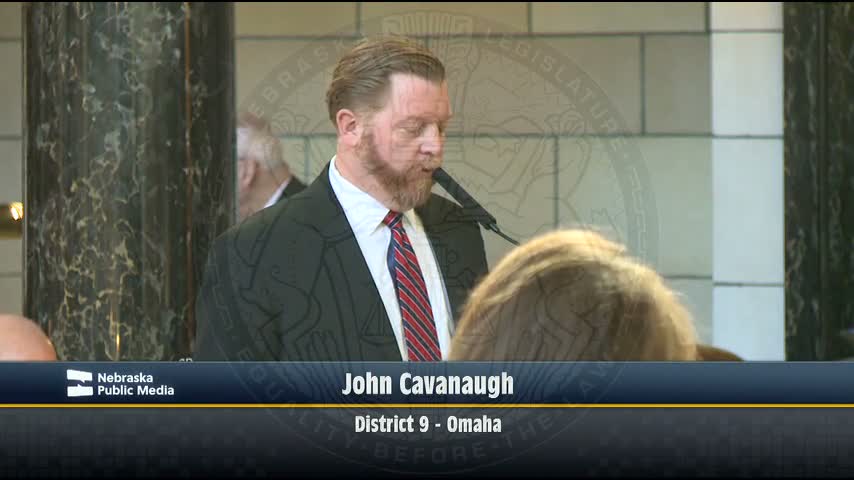
Opponents, including Senator John Kavanaugh, cautioned against a rigid “shot‑clock” that could rush local deliberations and shift the balance away from neighbors who might be affected by siting decisions. Kavanaugh urged careful consideration of community testimony and site‑specific constraints before imposing automatic approvals.
The sponsor accepted amendments (AM1693) negotiated with NACO and other stakeholders to allow an extension where new, materially different information emerges and to address other concerns; that amendment was adopted (34 ayes, 2 nays). The committee amendment AM973 was adopted (36 ayes, 2 nays). After debate and adopted changes, LB663 advanced to E & R initial (35 ayes, 2 nays). Sponsors said the bill is aimed at predictable timelines while preserving local zoning authority’s substantive standards.
Senators stressed the bill applies only to livestock‑siting conditional‑use permits and does not eliminate county authority to require compliance with state or federal permits; successful applicants will still need to meet DEQ and other agency requirements after local approval. The bill also requires two hours of continuing education per term for planning commission and county board members; NACO agreed to help provide training resources.
Senate action sends the bill to the next procedural stage, where additional stakeholder input and fine‑tuning may occur before final passage.