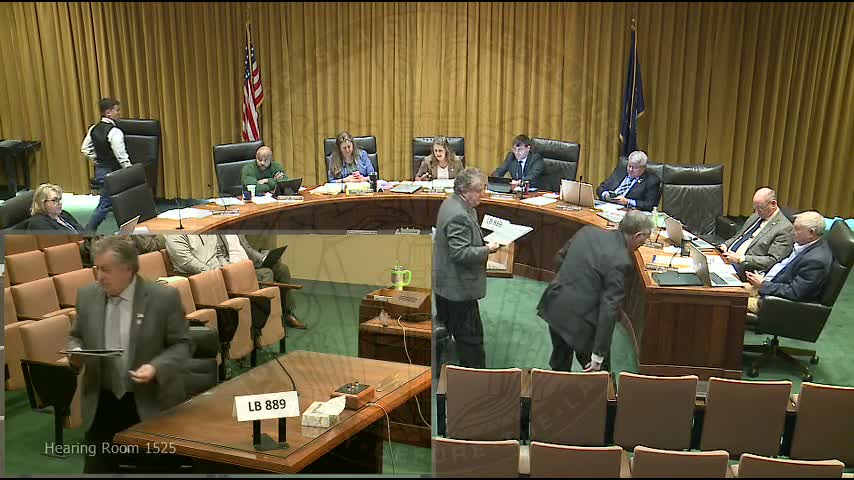
Bill to bar convicted felons from circulating petitions draws sharp opposition from civil-rights and reentry groups
Loading...
Summary
Sen. Dave Murman’s LB 1090 would bar people convicted (or who pleaded guilty) of felonies from serving as petition circulators and require a notarized affidavit from each potential circulator; supporters cited 2024 petition problems, opponents including Common Cause, ACLU and reentry organizations said the bill would disproportionally harm grassroots campaigns and returning citizens.
Senator Dave Murman introduced LB 1090 as a measure to protect the integrity of the petition process by prohibiting individuals convicted of felonies from acting as petition circulators. The bill would require circulators to submit a notarized affidavit attesting they are not felons; falsifying the affidavit would be a felony.
Proponents described incidents during the 2024 election cycle—most prominently questions around the medical-cannabis petition drive—that they said undermined trust in the circulator process and argued that a circulator exercises more influence than a single voter. Supporters urged the committee to adopt the rule to restore public confidence in ballot initiatives.
Opponents and neutral witnesses strongly objected. Common Cause Nebraska argued the bill is a "solution in search of a problem" that would take away constitutional petitioning rights and disproportionately harm grassroots campaigns that rely on unpaid volunteers. The ACLU and Nebraska Criminal Defense Attorneys Association warned the measure could sweep too broadly, including people who have pleaded guilty as part of problem-solving court processes, and urged the committee not to add a new felony. Reentry and advocacy groups (RISE) said civic engagement reduces recidivism and the bill would erect new barriers to employment and reintegration.
Testimony also raised technical and administrative questions about how affidavits would be stored and who would verify lists, with the Secretary of State's office reportedly agreeing to store affidavits with sponsors to avoid a fiscal note on the amendment. The sponsor said the office indicated the amendment would avoid an increased fiscal note, but committee members pressed for clarity about who could request circulator lists and what triggers verification.
Sen. Murman closed by reiterating his support for the bill as a measure to protect petition trust and urged advancement out of committee.