Lawmakers weigh requirement to teach history and harms of communism; State Board objects
Loading...
Summary
Sen. Dave Merman proposed LB 1024 to require age‑appropriate instruction on the history, abuses and mass deaths under communist regimes. The State Board of Education and many educators said the topic is already covered in standards and objected to legislative micromanagement of curriculum.
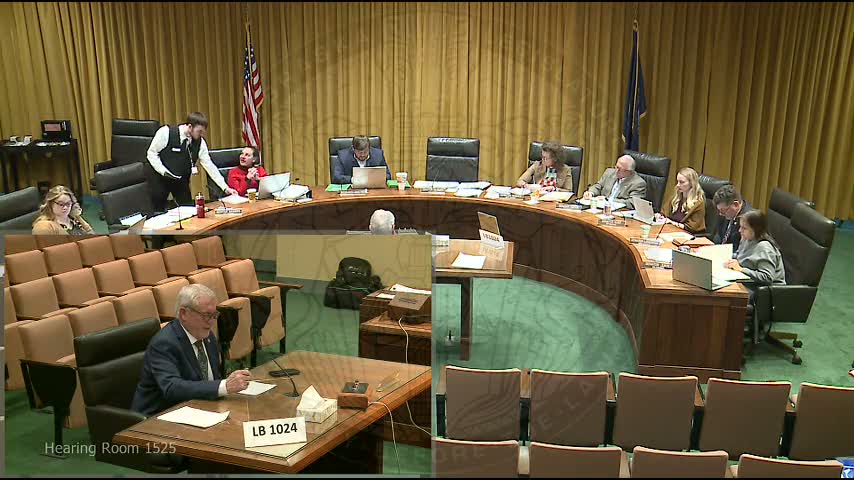
Sen. Dave Merman introduced LB 1024 to require Nebraska schools, in consultation with the Department of Education, to include age‑appropriate instruction on the history of communist regimes — including mass deaths and human‑rights abuses — within social‑studies curricula. Merman framed the bill as a safeguard to ensure historical memory about 20th‑century atrocities is preserved.
The State Board of Education and numerous educators testified in opposition, saying Nebraska’s current social‑studies content standards and the legally mandated Committee on American Civics already require instruction about anti‑democratic ideologies. Elizabeth Tigmeier, president of the State Board, warned that the measure would encroach on the board’s statutory authority to set standards and that curriculum revisions are already underway.
University and K‑12 historians testified that meaningful coverage of the subject requires time and context; one content expert warned the bill’s language could invite a one‑sided unit that skipped nuance and risked becoming propaganda rather than critical history. Supporters who testified in neutral or written remarks said explicit emphasis is warranted to guard against forgetting the human cost of authoritarian regimes and to promote civic vigilance.
Committee members discussed recent legislation creating local committees on American civics and asked whether existing statutes and standards already accomplish the bill’s intent. After a broad hearing with dozens of written comments online, the committee closed testimony with no immediate vote.