
Panel split over bill to restore suspension authority for pre‑K–2 after lawmakers hear violent‑behavior testimony
Get AI-powered insights, summaries, and transcripts
Subscribe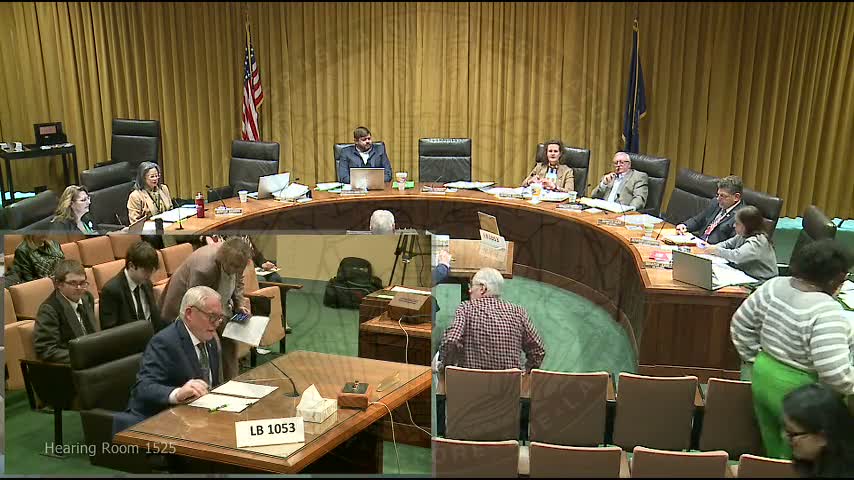
Summary
LB 1053 would repeal the statute that currently prohibits suspending students in pre‑kindergarten through second grade. Rural educators and some parents said schools need the tool to protect classrooms; child‑welfare and civil‑rights groups warned suspensions harm young children and disproportionately affect vulnerable students.
Sen. Dave Merman introduced LB 1053 to repeal Nebraska’s prohibition on suspending pre‑K through second‑grade students, saying local school leaders need discretion in extreme cases to protect safety and learning. Proponents — including principals, teachers and students from small rural schools — described repeated violent incidents in classrooms, such as biting and puncture injuries, and said in‑school alternatives or staffing are sometimes unavailable.
"These behaviors did not occur once a day — they occurred throughout the entire day, day after day," testified Jeri Ferguson, a proponent and educator, arguing that removal can be a safety measure and a path to convene caregivers for a plan. Several student witnesses from Kimball said they had interviewed teachers who described severe disruptions, and a superintendent for a very small district said staff shortages make some in‑school responses impractical.
Opponents included Voices for Children, early‑childhood mental‑health experts, the Nebraska Association of School Boards and civil‑rights groups. They said suspensions at that age predict later exclusionary discipline and disproportionately affect children with developmental trauma, disabilities, or from low‑income families. "Not allowing children to participate in school can have long‑lasting effects," said a Voices for Children representative, urging investments in positive behavioral interventions, mental‑health consultation and restorative practices instead.
Committee members asked whether a narrower carve‑out for violent acts — language the committee recently added to a different bill — might address safety concerns while preserving protections for young children. Several witnesses urged phased, narrowly tailored approaches and pointed to research showing that suspensions can compound academic and social‑emotional harm.
No vote was taken during the hearing; senators signaled a desire to reconcile safety concerns with research on early childhood discipline and to compare LB 1053 to a more limited amendment considered elsewhere.