Get Full Government Meeting Transcripts, Videos, & Alerts Forever!
Proposal to require state-funded housing projects to include up to 20% mobility-accessible units draws mixed reaction
Summary
LB840 would require Affordable Housing Trust Fund projects to set 20% of units accessible for mobility impairments and 10% for hearing/vision impairments; disability advocates urged front‑end accessibility, while developers warned mandated percentages and retrofit costs risk project feasibility and suggested adaptable units plus conversion reserves instead.
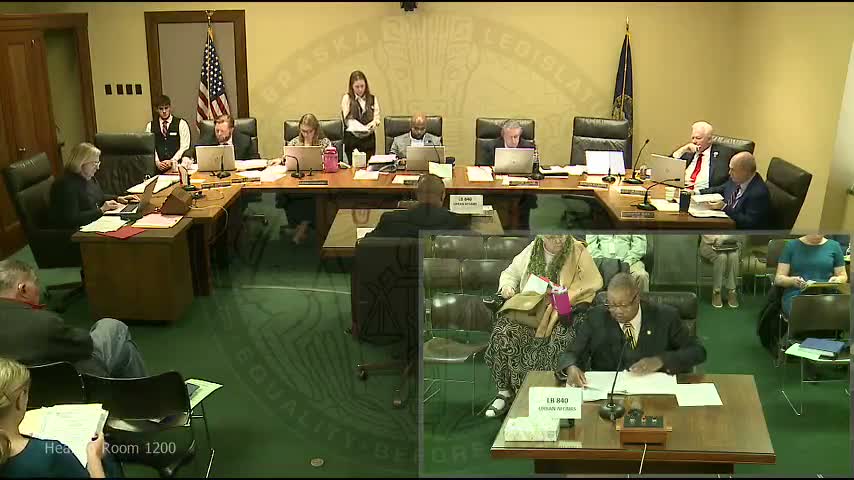
Senator Victor Rountree introduced LB840 to require multifamily projects that use the state Affordable Housing Trust Fund to make 20% of units accessible for individuals with mobility impairments and 10% accessible for hearing or vision impairments. He framed the bill as necessary to ensure accessible affordable housing and to implement Olmstead-related community integration goals.
Advocates including Disability…
Already have an account? Log in
Subscribe to keep reading
Unlock the rest of this article — and every article on Citizen Portal.
- Unlimited articles
- AI-powered breakdowns of topics, speakers, decisions, and budgets
- Instant alerts when your location has a new meeting
- Follow topics and more locations
- 1,000 AI Insights / month, plus AI Chat