Nebraska committee hears push to raise municipal bidding thresholds to $90,000
Loading...
Summary
Supporters told the Urban Affairs Committee that long lead times, supply-chain-driven price spikes and administrative burdens make the current $30,000 sealed-bid threshold outdated; municipal leaders and utility directors urged raising it to $90,000 and aligning electric-utility tiers with public power peers.
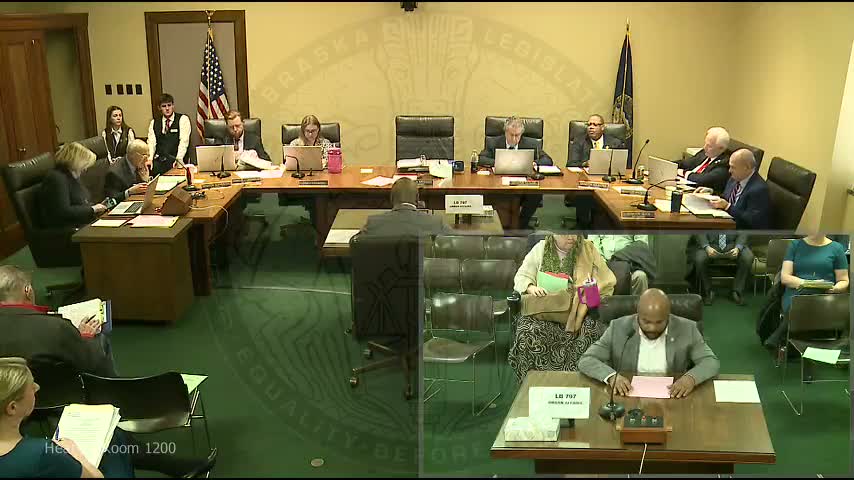
Senator Terrell McKinney introduced LB797 on behalf of municipalities, saying the current $30,000 sealed-bid threshold for cities and villages dates to 2008 and does not reflect present costs. The bill would raise the general municipal threshold to $90,000 and adjust tiers for municipal electric utilities.
The League of Nebraska Municipalities’ Lash Chaffin urged support, saying municipal clerks and city attorneys repeatedly ask how bidding rules apply and that sealed bids can add weeks of administrative work that raises costs. Chaffin said the bill stems from sustained discussion among municipal representatives and aligns municipal practice with modern procurement realities.
City officials and utility staff gave local examples. Kyle Svec, Geneva city administrator, said routine maintenance and projects routinely exceed $30,000. Ryan Schmitz, utilities director for Grand Island, told senators that transformer and cable prices have risen 250%–370% in recent years and lead times have stretched from weeks to more than a year, making rapid procurement necessary to maintain reliability.
Committee members probed whether higher thresholds would encourage bidders to price just below those limits or create sole-source outcomes. Supporters said higher thresholds could reduce that perverse incentive because many smaller projects would fall below the formal-bid ceiling and vendors would compete via direct quotes. They also noted emergency procurements and sole-source designations are already used when reliability is at stake.
No formal action or vote occurred in the hearing; senators asked staff and proponents to supply technical details and comparative thresholds for rural public power districts. Senator McKinney closed the LB797 hearing and the committee moved on to other bills.
The committee will take no immediate vote; the next procedural step would be amendment drafting and consideration on general file if the sponsor pursues it.