Committee backs open-captioning requirement for larger theaters after deaf advocates testify
Loading...
Summary
The committee approved a substitute for Senate Bill 4 93 to require larger motion-picture exhibitors to offer open captioning for at least two showings per week when the film is produced with open captions; witness testimony from the West Virginia Association for the Deaf urged passage.
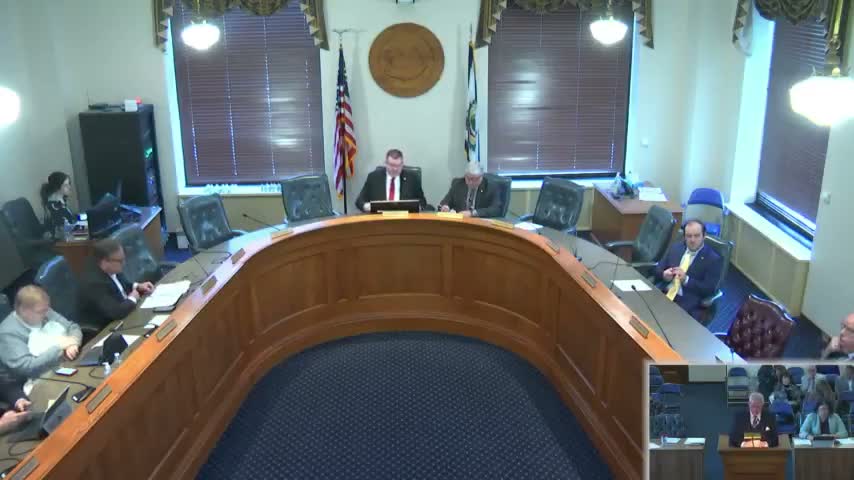
The Senate Committee on Government Organization approved a committee substitute for Senate Bill 4 93 that would require certain larger motion-picture exhibitors in West Virginia to provide open captioning for at least two showings per week when the film is produced with open captions.
Committee counsel said the substitute includes multiple exceptions: it applies only to larger exhibitors, does not require theaters to purchase new projection equipment specifically for open captionings, excludes films that were not produced with open captions (largely independent or many foreign films), and phases out the requirement for a title after 20 days following theatrical premiere or when a film is shown fewer than eight times in a seven-day period. Counsel also said Cinema United, the primary trade group for motion-picture theaters, reviewed and contributed to the bill’s exception language.
The committee permitted public testimony. Hal Sedrith, who identified himself as president of the West Virginia Association for the Deaf, was sworn and described limitations of current assistive devices in theaters, including captioning glasses that he said are easily dislodged and cup-holder devices that occupy the drink holder for the duration of a showing. “Open caption solves all of that problem for us,” Hal said, urging the committee to pass the bill.
Senator from Summers asked about how many states have similar requirements; Hal responded, “There are about 13 states,” and said Maryland recently passed such a law. With no amendments offered, the committee agreed to the committee substitute by voice vote and the Vice Chair moved to report the substitute to the full Senate with a do-pass recommendation and the original double reference to the Judiciary Committee; the motion carried.
The transcript records voice votes and committee agreement; no roll-call vote or detailed vote tally was provided in the committee record.