
Committee approves substitute to implement Pell Grants for short-term workforce training
Get AI-powered insights, summaries, and transcripts
Subscribe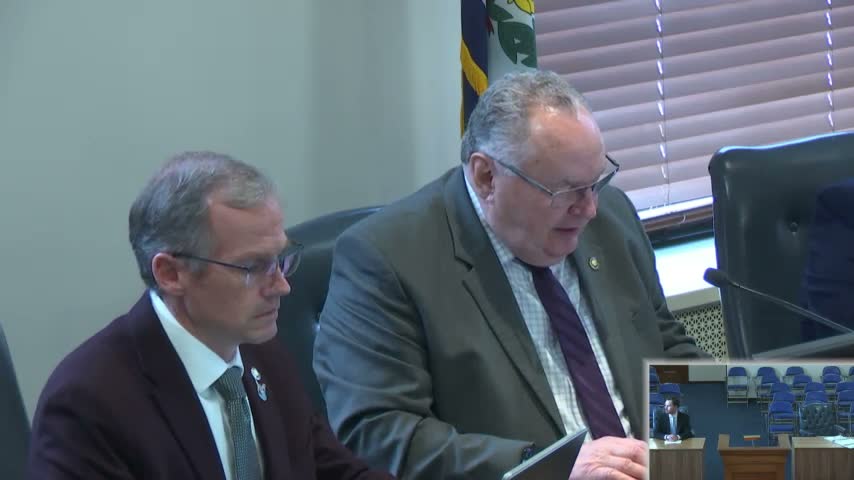
Summary
The Workforce Committee approved a committee substitute for Senate Bill 490 to align state law with federal changes expanding Pell Grant eligibility to shorter-term postsecondary workforce programs; the committee voted to report the substitute to the full Senate with a recommendation to pass.
The Workforce Committee voted to report a committee substitute for Senate Bill 490 to the full Senate with a recommendation that it pass after counsel explained the measure would implement federal changes allowing Pell Grants to fund shorter-term workforce training offered by eligible postsecondary institutions.
Counsel told the committee that the federal program expands Pell Grant eligibility from programs historically requiring at least 600 clock hours or 15 weeks of instruction to programs that last 150 to 600 hours, or 8 to 14 weeks. "That program makes Pell Grants available to qualifying low income students who are enrolled in short term workforce training programs in the state that are offered by post secondary institutions, which are eligible for Pell Grants," Counsel said. Counsel also noted, "It does not need to be repaid," when asked whether the awards are loans.
Under the committee substitute, the governor and the state Workforce Development Board would consult on and approve short-term program eligibility, with approval factors tied to alignment with high-skill, high-wage, or in-demand industries, employer hiring requirements, and whether the training leads to a recognized, portable postsecondary credential or counts as credit toward further certificates or degrees. Counsel said the bill incorporates federal definitions and requires institutions that receive eligibility to report completion rates, job placement rates, and student earnings.
The substitute sets a July 1 effective date to align implementation with federal requirements. Committee members framed the change as widening pathways into employment for low-income students and creating new access to short-term training options offered by community and technical colleges.
After brief questions and no amendments, the committee agreed to the language of the committee substitute and voted to report it to the full Senate with a recommendation that it pass. The chair declared the motion adopted. The committee adjourned following routine closing business.