Get Full Government Meeting Transcripts, Videos, & Alerts Forever!
Get email alerts on the Public Safety topic
No spam. Unsubscribe anytime.
Flower Hill trustees continue debate over right-of-way plantings after residents warn of cost and safety trade-offs
Summary
Trustees paused consideration of a proposed rule requiring plantings be kept 4 feet from the road after residents and trustees raised concerns about corner lots, mature trees, enforcement discretion and the potential cost of replanting; the board continued the item to Dec. 8 to rework language.
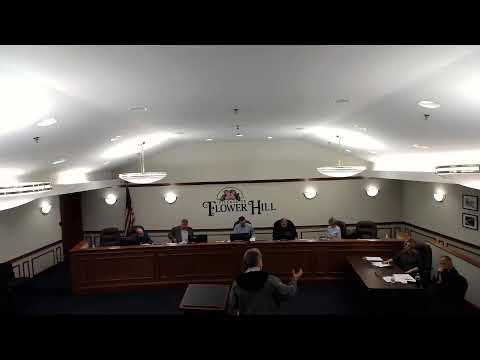
The Flower Hill Board of Trustees on Nov. 3 continued consideration of a proposed local law that would regulate plantings in the village right-of-way after an extended debate that mixed pedestrian-safety arguments with residents' concerns about private property and cost.
The board's draft would require plantings and other obstructions to be kept clear of a four-foot swath from the road edge to ensure sightlines at intersections and to give pedestrians a safe space to step off the pavement where sidewalks are absent. Supporters said the rule is about preventing avoidable injuries: "This is all about safety for people not to get killed," one trustee said during debate.
Residents and some trustees pressed for narrower language and exceptions. Resident Neil Smith — who identified himself during public comment and told the court reporter his address — said he planted mature trees in 1997 and that removing and replacing them with more appropriate plantings would cost "tens of thousands of dollars." Smith urged the board to grandfather existing non-obstructing trees and requested clarity about how the ordinance would define a "corner" or a t‑intersection.
Trustees and staff proposed several refinements: focus enforcement on obstructions (not every planting), allow the building superintendent discretion to grant exceptions, permit pruning or a "tunnel" solution instead of wholesale removal, and provide an administrative appeal route to the zoning board of appeals. Several trustees said a numeric standard (four feet) helps code enforcement, but others warned a strict reading could be overly broad.
After extended discussion the chair moved and the board voted to continue Local Law K to the Dec. 8 meeting so staff can prepare revised language that narrows the measure to unreasonable obstructions and considers grandfathering and measurement clarifications. The board requested that the revised draft make clear how corner properties and existing mature plantings will be treated before any enforcement is authorized.
Next steps: The building/code department will draft revised language and present it to trustees at the Dec. 8 meeting for further public hearing and action.