
Wallingford presents 2026–27 operations budget request — 3.82% combined increase, staffing changes and major cost drivers detailed
Get AI-powered insights, summaries, and transcripts
Subscribe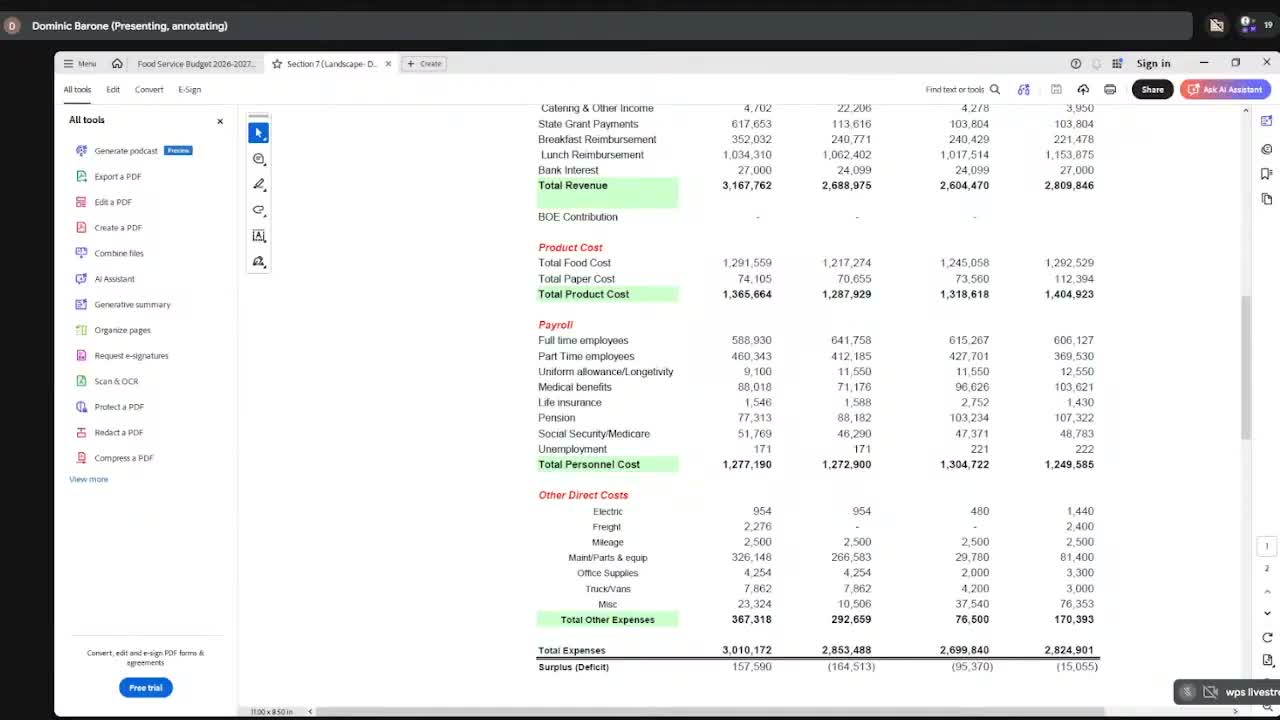
Summary
At a Jan. 29 meeting, district staff presented a proposed 2026–27 operations budget with a 3.326% sustained request and a 0.494% strategic add (combined 3.82%), citing enrollment declines to ~5,003 students, $389,000 estimated health‑insurance growth, a $365,000 transportation increase, curriculum reorganization saving $105,000, and $601,000 in strategic enhancement requests.
At a special operations meeting on Jan. 29, Wallingford School District staff presented the first detailed look at the proposed 2026–27 central‑office and operations budget, outlining a sustained request of 3.326% and a separate strategic request of 0.494% that together total a 3.82% combined ask for next year.
"This is our presentation for our proposed central office budget for the 2627 school year," Mister Barone said as he opened the operations overview. He framed the request as aligning resources with district goals to increase student achievement, support staff wellness and strengthen community partnerships.
Barone cited enrollment trends as a central driver: total district enrollment has declined over the past four years and is projected to fall from 5,297 in 2022–23 to about 5,003 for 2026–27. He said special‑education enrollment is projected to move from about 965 to 980 and that the district has rising 504 and multilingual student populations, which keep service needs high despite overall enrollment declines.
Barone identified wages and benefits as the largest cost drivers: the presentation showed a roughly $2,000,000 increase in wages as part of a $4,048,002 operating increase to the operating budget, with salaries and health benefits making up about 76.5% of the total. He said the budget reflects a 10% assumed rise in health‑insurance allocation rates, an estimated $389,000 increase in benefit costs, and a projected $365,000 rise in transportation costs tied to contract and route changes.
The superintendent’s team proposed several staffing‑structure changes intended to control costs or target supports: reducing one curriculum coordinator position (estimated savings of $105,000) while broadening remaining coordinators’ responsibilities and extending four positions to a 12‑month schedule; adding two department‑head stipends for electives ($13,000); and hiring two certified staff (a bilingual speech‑language pathologist and a full‑time social worker) funded entirely by a seed grant, which Barone said has no net budget impact.
Strategic enhancements totaling $601,000 included a part‑time maintenance assistant (~$30,000), a plow truck (~$57,000), a full‑time district plumber (estimated $106,000) and four shared full‑time elementary teacher‑team leaders to support principals and student needs. Barone said the combined sustained and strategic request equals about $4.6 million in additional ask and a combined percentage request of 3.82%.
Other items called out in the presentation: a proposed raise in daily substitute pay from $110 to $120 (estimated $81,000), a calendar change reducing the student year from 183 to 182 days (estimated savings ~$54,000), the effect of Connecticut’s minimum wage increase to $16.94/hr (an estimated ~$22,000 cost), and planned indoor‑air‑quality inspections for three additional schools (about $31,800). Barone also listed capital items the district will discuss with the mayor for possible bonding, including boiler and elevator replacements and athletic‑field work.
Barone said entitlement grants and competitive grants together account for several million dollars in projected revenue (entitlement grants presented at roughly $6,600,000 and competitive grants at about $1,200,000). He proposed a board contingency of $570,000 for next year and outlined the 2% fund breakdown and a $647,000 special‑education contingency set aside within those figures.
"We will present then to town council in April, and then, town council will give us a final approved budget," Barone said, laying out the calendar: initial board approval by March 1, the mayor’s recommendation by April 1, town council review in April, and final board approval expected in May. He said the full budget book and a budget fact sheet would be available to board members and the public ahead of the Feb. 2 workshop.
No formal votes were taken at the Jan. 29 presentation. Board members asked logistical questions about the Google form and public comment process; Barone said he would leave the form open for about a week and respond verbally and in writing as appropriate.