Subcommittee advances bills to create disability‑related defenses and earlier deferred‑disposition reviews amid split views
Loading...
Summary
HB 246 would permit an affirmative defense to felonious assault on law‑enforcement officers when conduct stems from mental illness, neurocognitive disorder, autism, intellectual or developmental disability, or when criteria for an emergency custody order are met; HB 247 moves deferred‑disposition review earlier in the process. Advocates supported the measures while prosecutors raised concerns about victim equality and evidentiary procedure.
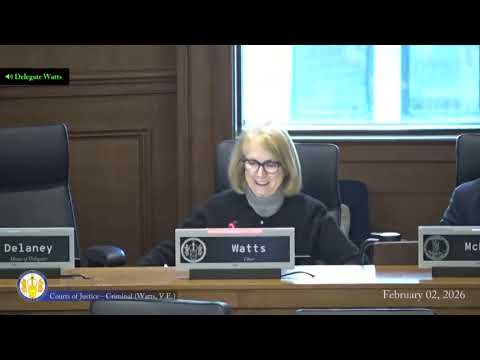
The subcommittee reviewed HB 246 and HB 247, measures that would change how courts treat certain offenses committed by people with mental illness or developmental disabilities.
HB 246, presented by the patron, would permit a defendant charged with felonious assault on a law‑enforcement officer to assert an affirmative defense if a preponderance of evidence shows the conduct resulted from a qualifying mental‑health or developmental condition or met criteria for an emergency custody order. Supporters—advocates from Decriminalized Developmental Disabilities, The Arc of Virginia, the Disability Law Center, NAMI Virginia and others—testified the bill protects people who experience crisis behaviors from automatically receiving felony records and incarceration that can cause long‑term harm.
Opponents, including the Virginia Association of Commonwealth's Attorneys (VACA), argued the bill creates unequal treatment of victims because the affirmative defense is limited to law‑enforcement officers, and raised concerns about absence of treatment plans or structured diversion mechanisms in the statutory language.
HB 247 would allow courts to consider deferred disposition earlier in the process and added an amendment limiting admissibility of statements made at related hearings. Supporters said moving diversion earlier reduces trauma and long delays for defendants with developmental disabilities; opponents expressed concern about procedural vagueness and the timing of hearings.
Votes: HB 246 was reported and referred to appropriations (7-2); HB 247 was reported and referred to appropriations (8-2).
What happens next: Both bills move to appropriations for fiscal and policy review; supporters asked for further refinement and implementation planning to ensure consistent application and treatment pathways.