Get Full Government Meeting Transcripts, Videos, & Alerts Forever!
Get email alerts on the Labor Enforcement topic
No spam. Unsubscribe anytime.
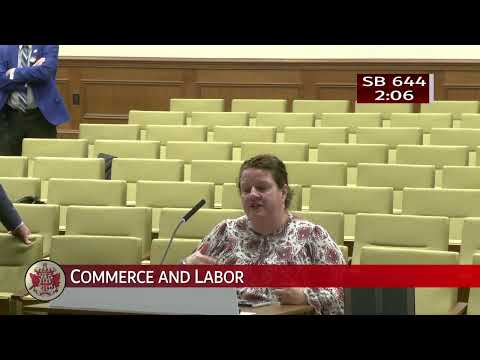
Senate committee advances broad wage‑theft and whistleblower enforcement bill; business groups warn of litigation risks
Summary
The committee advanced an omnibus enforcement bill that consolidates wage‑theft remedies, expands misclassification liability and clarifies whistleblower protections; labor groups hailed the measure while business and construction representatives warned it could increase litigation and compliance costs.
The Senate subcommittee voted to report a broad enforcement package that consolidates and clarifies Virginia’s wage‑payment, misclassification and whistleblower law. Sponsor Sen. Saravel said the measure reverses several adverse court readings, extends protections to former employees, authorizes Department of Labor (DOLI) and Attorney General enforcement actions and permits general‑contractor liability to reach down the subcontractor chain in wage‑theft cases.
Supporters — including worker advocates and several trade unions — told the committee that wage theft is pervasive and that improved enforcement would recover unpaid wages and payroll taxes. Opponents, including the Virginia Chamber, Associated Builders and Contractors and the Associated General Contractors, said the bill’s damages language is unclear, could multiply exposure (they flagged potential “quintuple” damages), and would impose administrative burdens on contractors and employers.
The committee adopted a substitute and voted to report the bill and refer it to Finance. Sponsors said the measure primarily modernizes enforcement and restores alignment with federal standards. Business groups requested clearer statutory damage calculations and narrower procedural language before floor consideration.