
Virginia Senate committee advances bill to end local parking minimums
Summary
A Senate committee heard and moved SB 354, which would bar localities from imposing minimum off‑street parking requirements for new or rebuilt buildings; supporters said the change would lower housing costs and improve climate outcomes while counties warned it removes needed local flexibility.
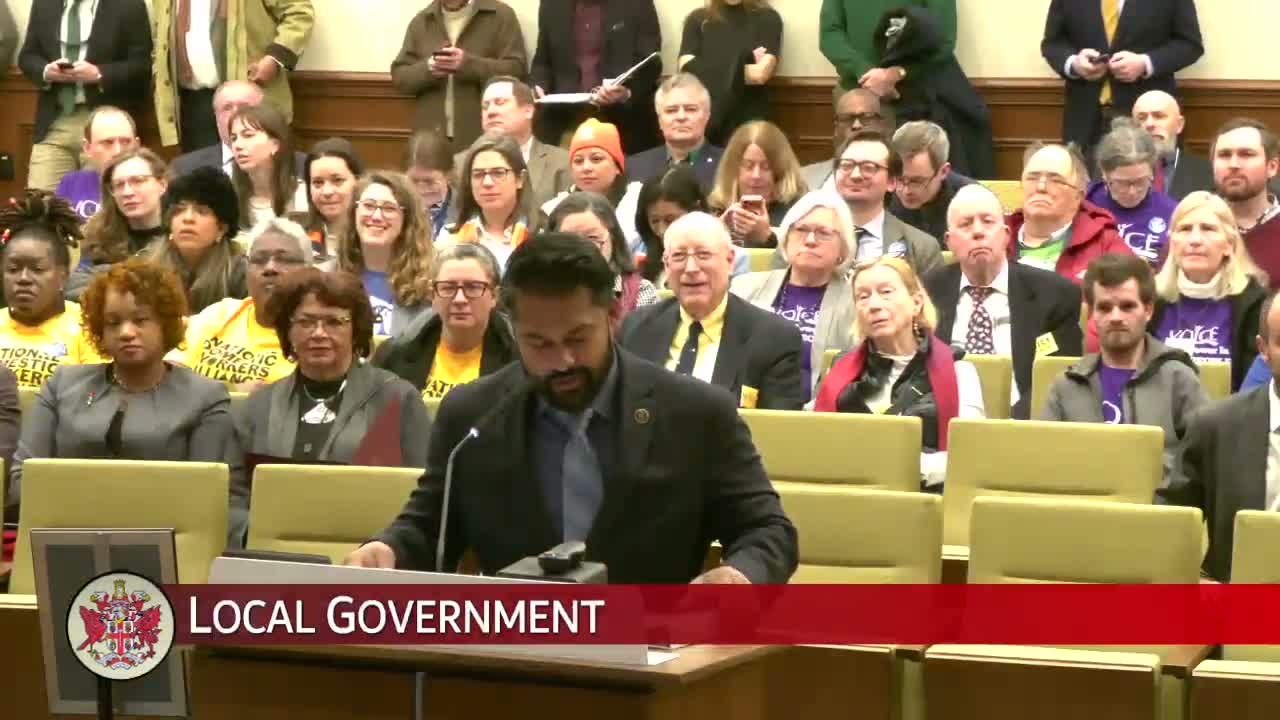
Richmond — A Senate Committee on Local Government advanced SB 354 on a party‑line of procedural amendments after an extended hearing on whether local governments should be allowed to require minimum off‑street parking for new or redeveloped buildings.
The bill, introduced by the sponsor (the bill sponsor identified in the hearing record as Senator Salim), would prohibit localities from adopting or enforcing ordinances that mandate a minimum number of parking spaces for new construction or material rehabilitation of existing buildings. The sponsor told the committee the aim is to let market demand, not a decades‑old ordinance, determine on‑site parking and to free land for housing and green space. The bill contains an effective‑date window intended to give localities time to plan: 09/01/2026 to 09/01/2027.
Why it matters: Proponents said parking requirements add significant cost and reduce housing supply. Barrett Hardin of the Commonwealth Housing Coalition told senators, “Parking can be an extremely expensive part of construction, and this will help bring the cost of housing down.” Supporters from cities and national groups — including representatives from Alexandria, Richmond and the Pew Charitable Trusts — told the panel that eliminating mandatory minimums has helped spur small business openings and housing in other places.
Opponents, including the Virginia Association of Counties and local planning officials, said the bill would strip local governments of a needed planning tool. Joe Lerch, speaking for counties, argued the legislation “sets a one‑size‑fits‑all, not only across the state, but within the jurisdiction,” and warned it might prevent localities from using some parking maximums or other voluntary tools.
Committee questions focused on scope and unintended consequences. Senator Roem asked whether the bill would apply to non‑housing uses and underscored concerns about areas with limited transit, commercial vehicles or multi‑family households that generate more parked cars. The sponsor responded that federal and state compliance obligations (including ADA requirements and EV‑charging and handicap stalls) remain in place and that localities retain traffic‑management tools like meters or permit parking.
A number of senators asked about technical clarifications — for example, what counts as a material rehabilitation (the bill references a 25% assessed‑value threshold in the text) and whether exemptions for the Americans with Disabilities Act would be preserved. The sponsor agreed to work with counsel on clarifying language and to consider targeted amendments (such as definitions tied to transit corridors) to reduce impacts in rural or non‑transit areas.
Action taken: Committee members moved to report SB 354 with amendments and the clerk recorded the roll when the amendments were considered. The hearing record shows the motion and recorded roll call entry when the amendments were adopted for further consideration; the transcript records the roll as recorded during the committee action (see provenance). The committee did not adopt a final floor recommendation in‑text in the transcript aside from the recorded motion to report as amended.
What’s next: The committee indicated it will refine statutory language — including transit‑area targeting, ADA clarifications and the rehabilitation threshold — before the bill moves to the full Senate calendar.
Reporting provenance: The committee discussion of SB 354 begins when the sponsor introduced the bill (transcript start SEG 145) and continues through committee questioning and the roll call on amendments (transcript up to SEG 641).

Create a free account
Unlock AI insights & topic search