Get Full Government Meeting Transcripts, Videos, & Alerts Forever!
Get email alerts on the Impact Fees topic
No spam. Unsubscribe anytime.
Council reviews staff27s statement on Terrace Gate impact-fee appeal, asks clearer communications and predevelopment options
Summary
Councilors reviewed a staff-drafted "council direction" summarizing the impact-fee administrator27s recommendation on the Terrace Gate appeal, clarified that denied impact-fee credits were ruled on procedural grounds, and discussed offering nonbinding consultations and a checklist to successor developers; formal approval was deferred to Thursday.
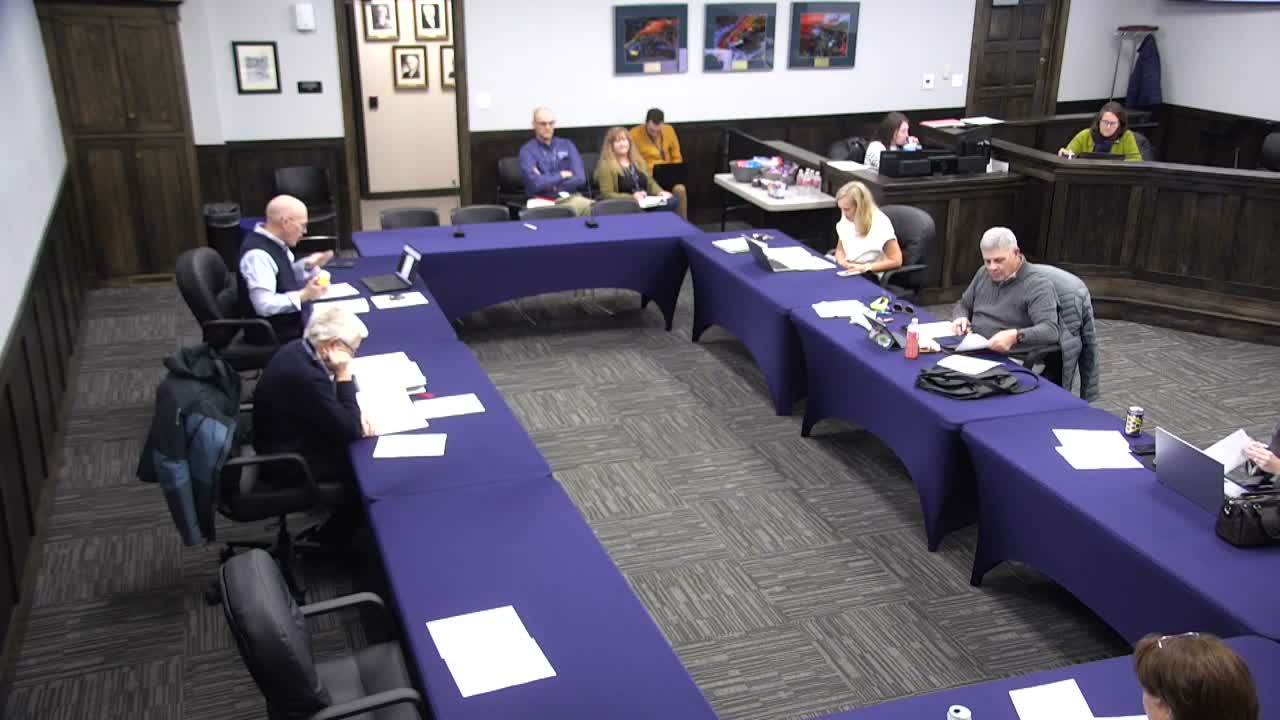
Councilors spent the bulk of the meeting reviewing a staff-drafted "council direction" document that summarizes the impact-fee administrator27s recommendations and the record from a December 18 appeal hearing on the Terrace Gate development. Staff told the council the draft is substantively unchanged from the earlier record; the only drafting edit proposed was to have the mayor sign on behalf of the council rather than each member signing individually.
Councilor Francis asked why the draft does not reference the denial of a right-of-way request noted in Director Alexander27s letter. Staff explained the administrator27s denial of the requested impact-fee credit rested on a procedural finding: the developer had not entered into the written agreement required by ordinance. Because of that procedural basis, staff said the denial applies to the full set of credit requests rather than specific line items such as right-of-way dedications.
Councilors and staff also clarified the difference between a credit and a reimbursement. Staff and several councilors agreed that an impact-fee credit typically applies to future development (reducing fees on a later project) rather than reimbursing money already paid. As staff put it, credits can be documented and applied against future permit fees when the developer moves forward and requests them; reimbursements would be a separate mechanism.
Several councilors raised a communication concern after reading the administrator27s letter. "They did not realize that they had the option of an informal resolution," an attendee said, describing how appellants may have read the notice as strictly legal paperwork. Council members stressed the need to keep public-facing documents clear and non-intimidating so property owners and smaller developers understand informal alternatives to an evidentiary hearing.
City staff discussed operational steps to reduce future confusion. Brian Cunningham, public works engineering staff, described the city27s workflow for development agreements and special conditions, saying, "I send them out an application that they have to fill out that has the owner's names and the information that we require within the development agreement." Staff proposed offering a nonbinding predevelopment consultation or a short checklist for successor developers to confirm whether recorded instruments, OPAs (owner participation agreements) or development agreements place obligations on the property.
Councilors discussed a prior example where a developer changed midstream and obligations for a bridge connection were left incomplete; staff reiterated that recorded instruments tied to the county record generally run with the land and should be discovered through due diligence and title review. Staff said they are coordinating with IFRA and other departments to improve alignment between development agreements and owner participation agreements and will document eligible credits in the city work system once the council approves the statement.
No formal vote on the draft statement was recorded at the meeting; staff said the draft will appear on Thursday27s agenda for formal consideration. If approved, staff expects to record any eligible credits in the city27s system and continue interdepartmental work to implement customer-service steps for developers.
What happens next: staff will bring the statement back for formal action at the Thursday transition meeting; staff also committed to follow up on checklist language, coordination with IFRA, and system updates for credit accounting.