Get Full Government Meeting Transcripts, Videos, & Alerts Forever!
Get email alerts on the Planning And Housing topic
No spam. Unsubscribe anytime.
Idaho Falls planning staff report improved permit times and outline housing, parks and Snake River priorities
Summary
Community Development & Safety staff told the council they are meeting a two-week average review time (commercial ~10 days), tracking 24-hour inspections, and outlined priorities: streamline permitting, diversify housing near existing infrastructure, consider new park zoning and pursue a 75‑foot Snake River buffer MOU with Bonneville County.
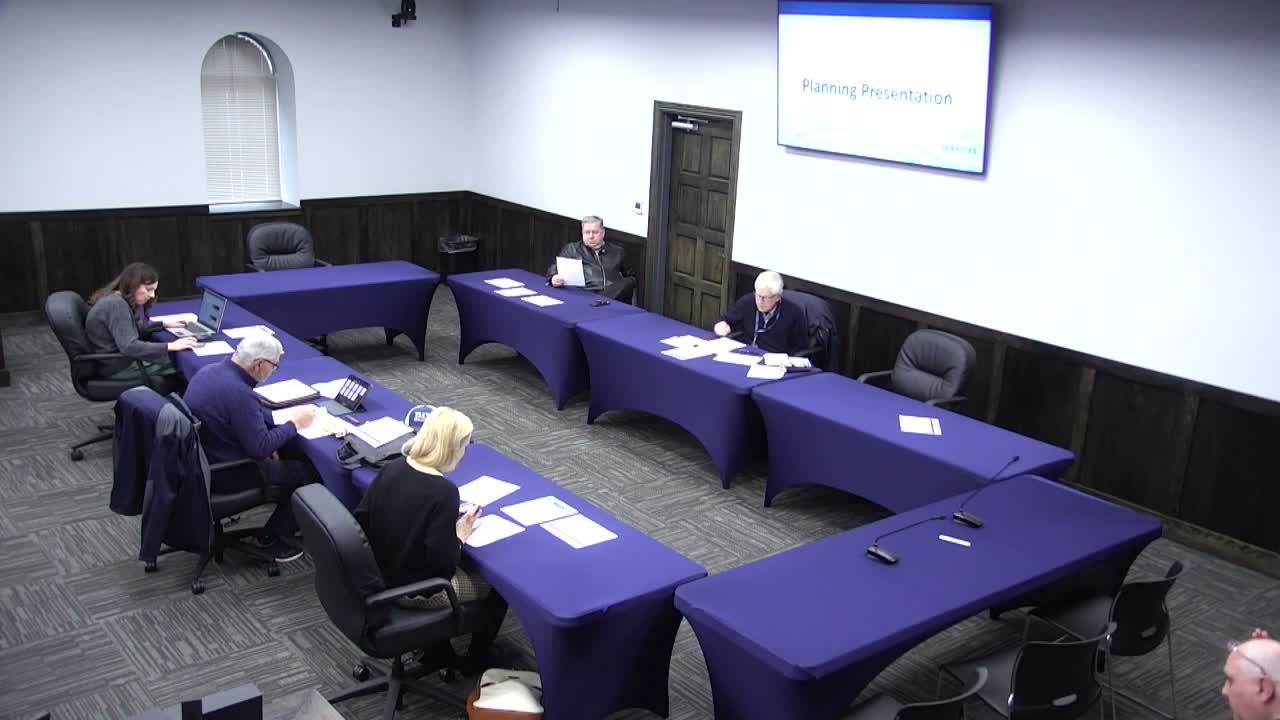
Community Development & Safety staff presented their annual department focus to the Idaho Falls City Council on Dec. 8, reporting improved permitting performance and laying out priorities for housing diversity, parks standards and a Snake River buffer agreement with Bonneville County.
On permitting, staff said they use a pre-application process through City Works, assign project managers for plan reviews and aim for a two-week review turnaround. "Our average review time is 2 weeks," the presenter said, adding that commercial reviews average about 10 days and inspections are typically scheduled within 24 hours, with an internal escalation policy for projects that run past multiple reviews.
Staff showed permit and population trends: Idaho Falls added roughly 8,500 people in the last five years and about 15,000 over the last decade, averaging about 1,300 new residents a year and a growth rate near 1.5%. Presenters noted the city has seen increases in multifamily construction in recent years but cautioned permit data can be skewed by pulled-but-unfinished projects.
On housing, staff tied actions to ImagineIF planning goals and said zoning currently allows a wide range of residential types, though single-family detached zoning remains the largest acreage (reported at about 46.2% of zoned residential acreage). Staff advocated shifting higher-density development toward existing infrastructure and walkable centers near the river to help diversify housing stock and relieve affordability pressure. The group discussed form-based and traditional neighborhood codes as tools and said a housing advisory committee to address 'missing middle' housing is still being formed.
Parks work: staff are evaluating park standards and exploring a separate parks zoning category (parks currently fall under a broader public zone) and plan to create a checklist of standards to guide new park creation while seeking zoning flexibility.
Snake River: staff reported early discussions with Bonneville County on a memorandum of understanding to preserve a 75-foot buffer along the river (matching county setback). Legal review comments were exchanged and staff planned further meetings and possible return to council with the MOU by January.
Staff sought council feedback on rollout, community outreach and the proposed advisory committee; council members emphasized protecting established neighborhoods, considering traffic and infrastructure impacts, and continuing public engagement.