Get Full Government Meeting Transcripts, Videos, & Alerts Forever!
Get email alerts on the Law Enforcement Jurisdiction topic
No spam. Unsubscribe anytime.
Utah federalism commission seeks clearer lines for federal and local law enforcement
Summary
The Utah Federalism Commission’s working group recommended a multi‑state, bipartisan protocol to clarify National Guard deployments and 287(g) immigration‑enforcement partnerships after members raised recent federal deployments and local incidents. The commission will continue work toward an MOU and invite federal and local partners to brief it.
Salt Lake City — The Utah Federalism Commission on Jan. 13 pressed for clearer boundaries between federal and local law enforcement after a working‑group report highlighted recent federal National Guard deployments and rising immigration enforcement partnerships.
"Our work group advocates . . . slow, thoughtful and bipartisan engagement from the states to safeguard our constitutional boundaries," Senator Kwan told commissioners as she reviewed the group's meetings, which included discussion of the Posse Comitatus Act and recent uses of federal forces.
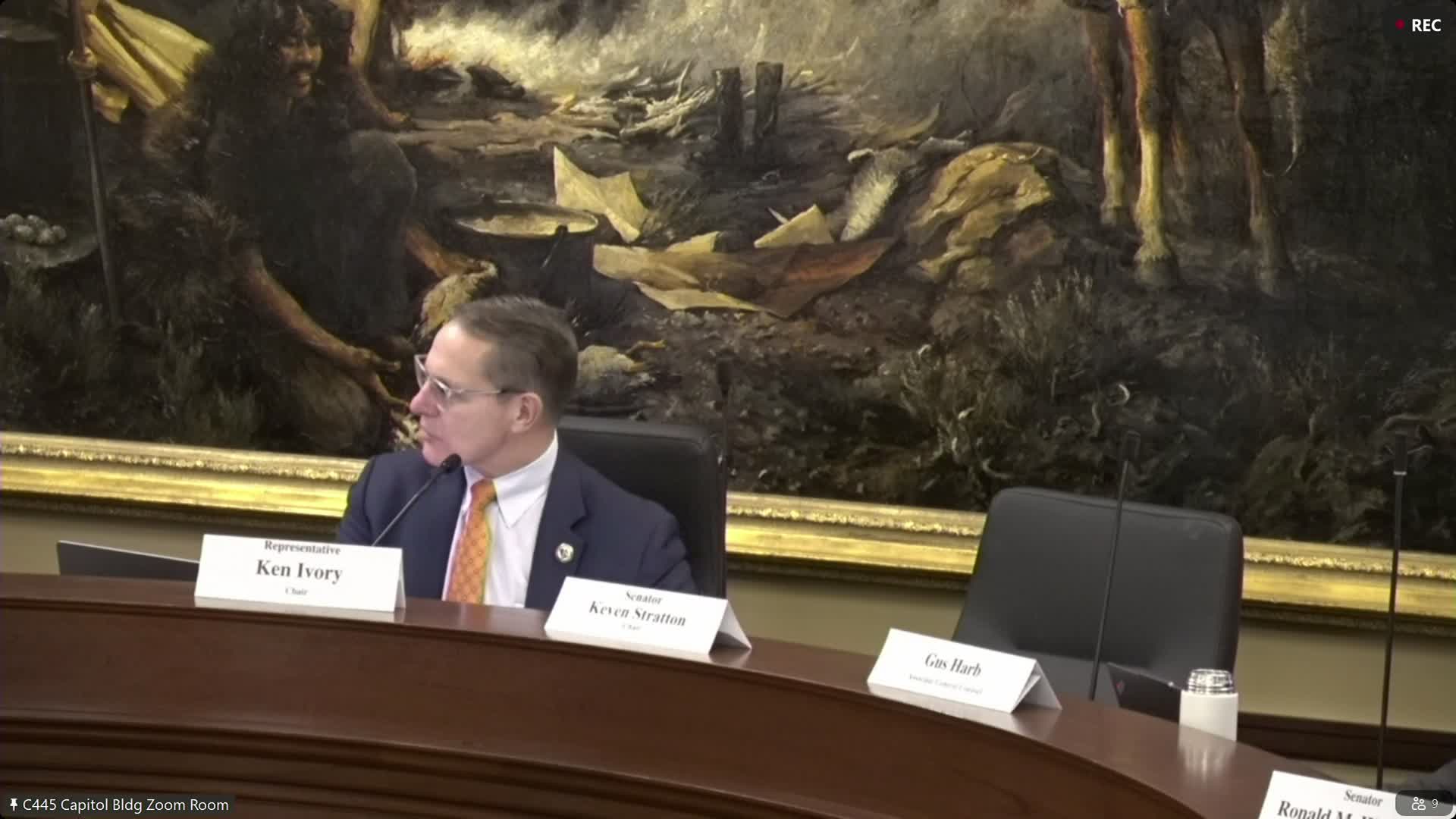
Commissioners and law‑enforcement officials described practical problems when federal agents operate without local notice. "No notice to the sheriff, no notice to the highway patrol," Chair Ivory said recounting a local shooting referenced during the meeting. Chair and commissioners said those gaps have motivated a proposal for a formal state‑level law‑enforcement management protocol.
Commissioner Weston and Sheriff Smith described distinct perspectives. Weston outlined the national context for changes to immigration enforcement funding and operations, noting recent federal appropriations that have expanded ICE capacity. "Tripled the budget. ICE is now the largest law enforcement agency in our nation," he said, summarizing figures cited by staff during the meeting. Sheriff Smith, speaking for county sheriffs, said task‑force and jail enforcement models give local agencies communication and operational tools they find necessary to target violent and organized crime.
Commissioners described next steps: continue the working group, develop a model protocol that could be negotiated with federal partners, and consider documenting agreements as memoranda of understanding. Members suggested the commission invite the new Salt Lake ICE director and local officials to a future meeting to answer questions and improve transparency.
The commission framed the work as nonpartisan. "We want slow, thoughtful engagement from the states," Senator Kwan said, adding the group aims to protect civil liberties while clarifying operational roles.
The commission did not take a formal vote on any enforcement policy at the meeting; members directed the working group to continue developing the protocol and to report back with draft language and recommended stakeholders.