Get Full Government Meeting Transcripts, Videos, & Alerts Forever!
Get email alerts on the Consumer Protection topic
No spam. Unsubscribe anytime.
Utah House passes bill to curb hidden 'junk' fees, sending clearer advertised prices to state law
Summary
After extended floor debate, the Utah House on Jan. 20 passed HB 29 to require businesses to disclose total advertised prices and prohibit mandatory, undisclosed ancillary charges known as "junk fees." Sponsors said the bill aligns with federal guidance; critics warned of enforcement and small‑business impacts.
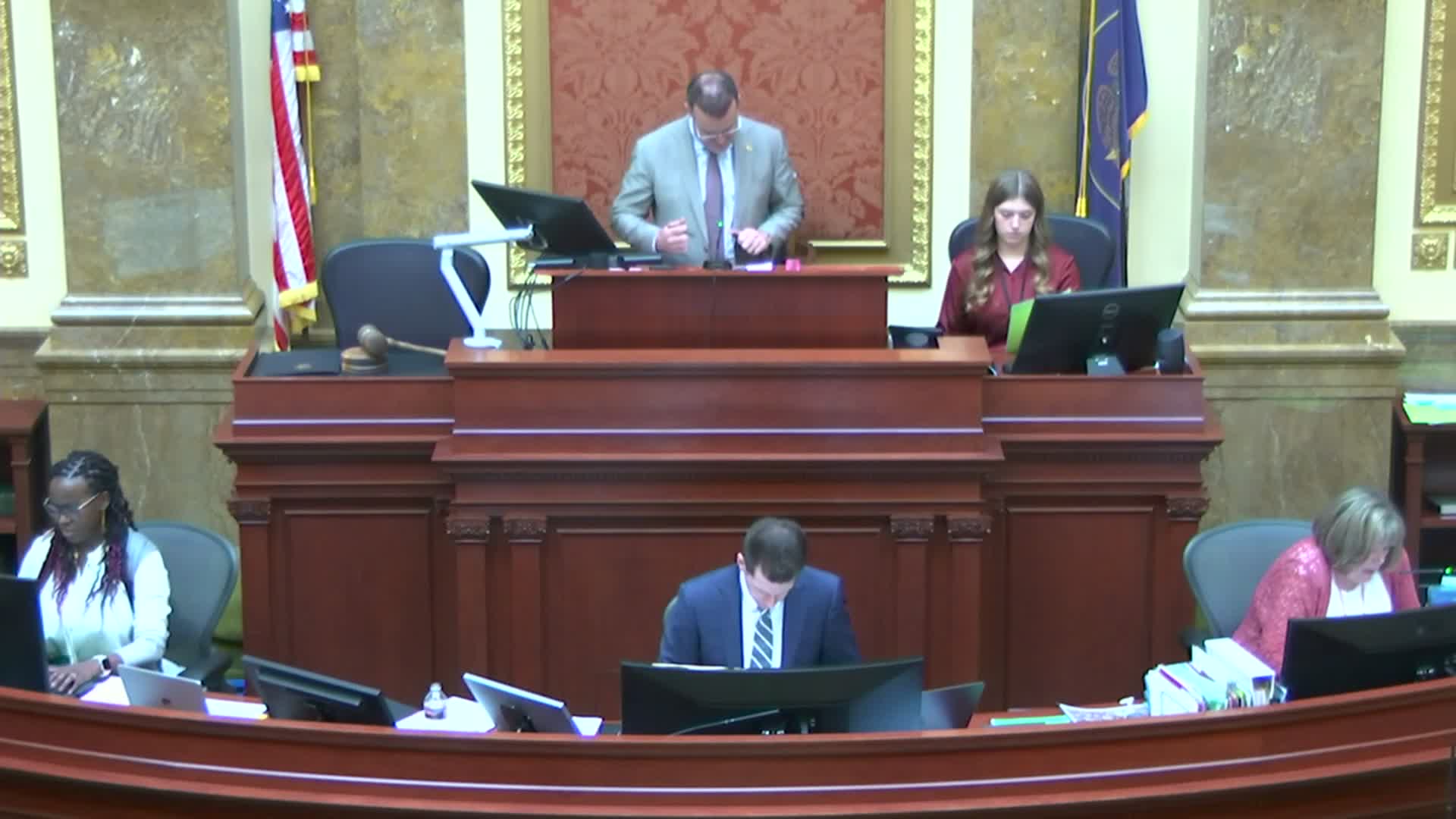
SALT LAKE CITY — The Utah House of Representatives on Jan. 20 approved House Bill 29, a consumer‑protection measure that requires suppliers to ‘‘clearly and conspicuously’’ disclose the total price for goods and services and forbids mandatory ancillary charges that are not included in advertised prices.
Representative Clancy, the bill sponsor, told colleagues this was a straightforward measure to prevent consumers from being surprised by mandatory fees at checkout. "The price you see is the price you pay," Clancy said, describing the proposal as closely mirroring Federal Trade Commission guidance on transparent advertising. Clancy added that data show families pay thousands of dollars a year in mandatory fees.
Supporters framed the bill as restoring honest marketplace comparison and reducing bait‑and‑switch advertising. Representative Ballard said the measure reflects a broader industry trend away from hidden charges and would help consumers make better choices.
Debate focused on the law's scope and enforcement. Lawmakers asked whether the bill would apply to security deposits, medical facility fees, and credit‑card processing surcharges. Clancy said the bill targets mandatory ancillary charges with no opt‑out; fees tied to consumers' choices (for example, charges arising from damage or occupancy choices) are treated differently. On enforcement, Clancy said Utah's consumer‑protection division would apply the statute and that having a state avenue complements federal options through the FTC.
Several members proposed clarifying carve‑outs and raised concerns about administrative burdens. Representative Tuscher warned that broad language could risk penalizing small businesses for inadvertent disclosure lapses; Representative McPherson questioned whether penalties and administrative costs might be passed back to consumers.
The House voted to end debate and adopted HB 29 by a recorded tally of 70 yes and 3 no votes. The bill will now advance to the Senate for consideration.
What it changes: HB 29 requires suppliers to include mandatory ancillary charges in advertised prices so that an advertised figure reflects the total the consumer will pay, excluding only taxes and variable shipping or delivery costs where actual cost cannot be known in advance, according to sponsors' floor explanations. Enforcement pathways described on the floor include administrative complaints to the state consumer‑protection agency and civil remedies; proponents said the measure would not prevent parties from seeking federal enforcement through the FTC.
Next steps: HB 29 will go to the Utah Senate. Sponsors said they expect the state enforcement option to provide a faster remedy for Utah consumers than pursuing federal action.
Quote selections: "The price you see is the price you pay," Representative Clancy said while urging support for the bill.
Representative Tuscher cautioned lawmakers to "think through" broad language to avoid unintentionally penalizing small sellers.
Ending: The House passed HB 29 70‑3 on Jan. 20; the bill now awaits action in the Senate.