Get Full Government Meeting Transcripts, Videos, & Alerts Forever!
Get email alerts on the Educator Workforce topic
No spam. Unsubscribe anytime.
Committee backs bill giving principals flexibility to hire long-term substitutes who already work at a school
Summary
SB 52 would let principals fill long-term substitute positions with staff already at a school (e.g., paraprofessionals, retired teachers) rather than being required to choose a licensed applicant; supporters argued it improves continuity, critics warned of the potential for reducing licensed-teacher access in high-need schools.
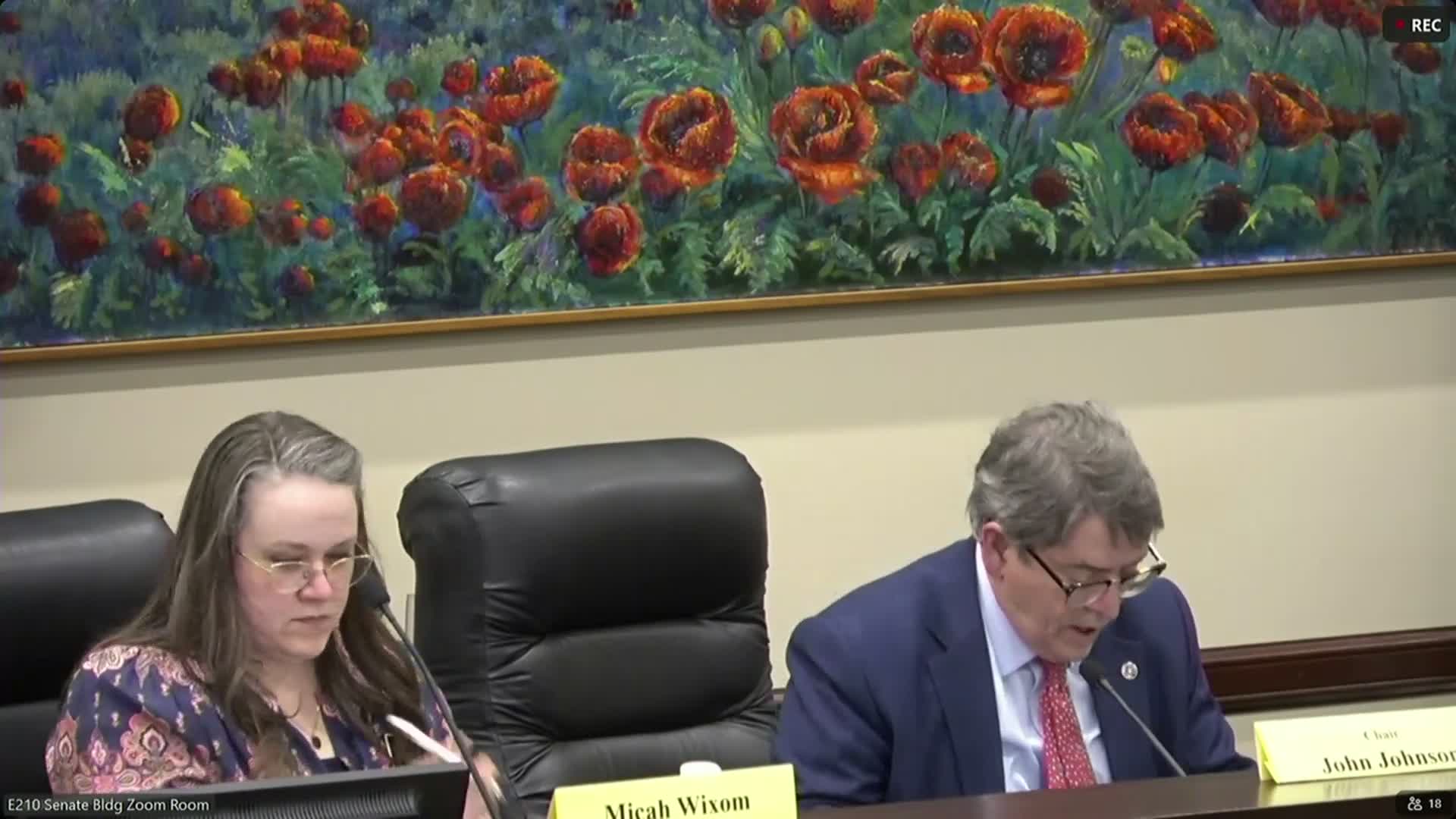
The Senate education committee unanimously recommended SB 52, a bill designed to give principals more flexibility when hiring long-term substitutes.
Sponsor Senator Fillmore outlined scenarios where a paraprofessional or a long-term paraprofessional already working at a school would be the best fit for a long-term substitute position but is currently precluded from hiring due to statutory preferences for licensed applicants. Supporters, including school leaders and district officials, told the committee that local principals are best positioned to evaluate who will serve students well and that the change promotes local control.
Opponents and some educators cautioned that the shift could disproportionately affect students in high-need schools that already struggle to attract licensed teachers. Students and long-term advocates urged guardrails, such as requirements that long-term substitutes be licensed after a set period or have prior service at a school.
Public commenters included teachers who described personal situations (medical leave, job shares) where having the ability to appoint a known and trusted substitute was vital for continuity of instruction. District representatives and school-board officials generally supported the flexibility but emphasized local policy and background checks would remain in place.
The committee voted to send SB 52 forward with a favorable recommendation; supporters described it as reinforcing local control and trust in school leaders’ hiring decisions.