Get Full Government Meeting Transcripts, Videos, & Alerts Forever!
Get email alerts on the Animal Sheltering topic
No spam. Unsubscribe anytime.
Senate holds bill to require pet-accommodating disaster plans after mixed testimony
Summary
Senate committee heard hours of public testimony for SB70, which would require local emergency plans to identify at least one sheltering option that can accommodate evacuees and their household pets; the bill was held in committee to allow further drafting after concerns about implementation, costs, tribal sovereignty and potentially criminalizing behavior were raised.
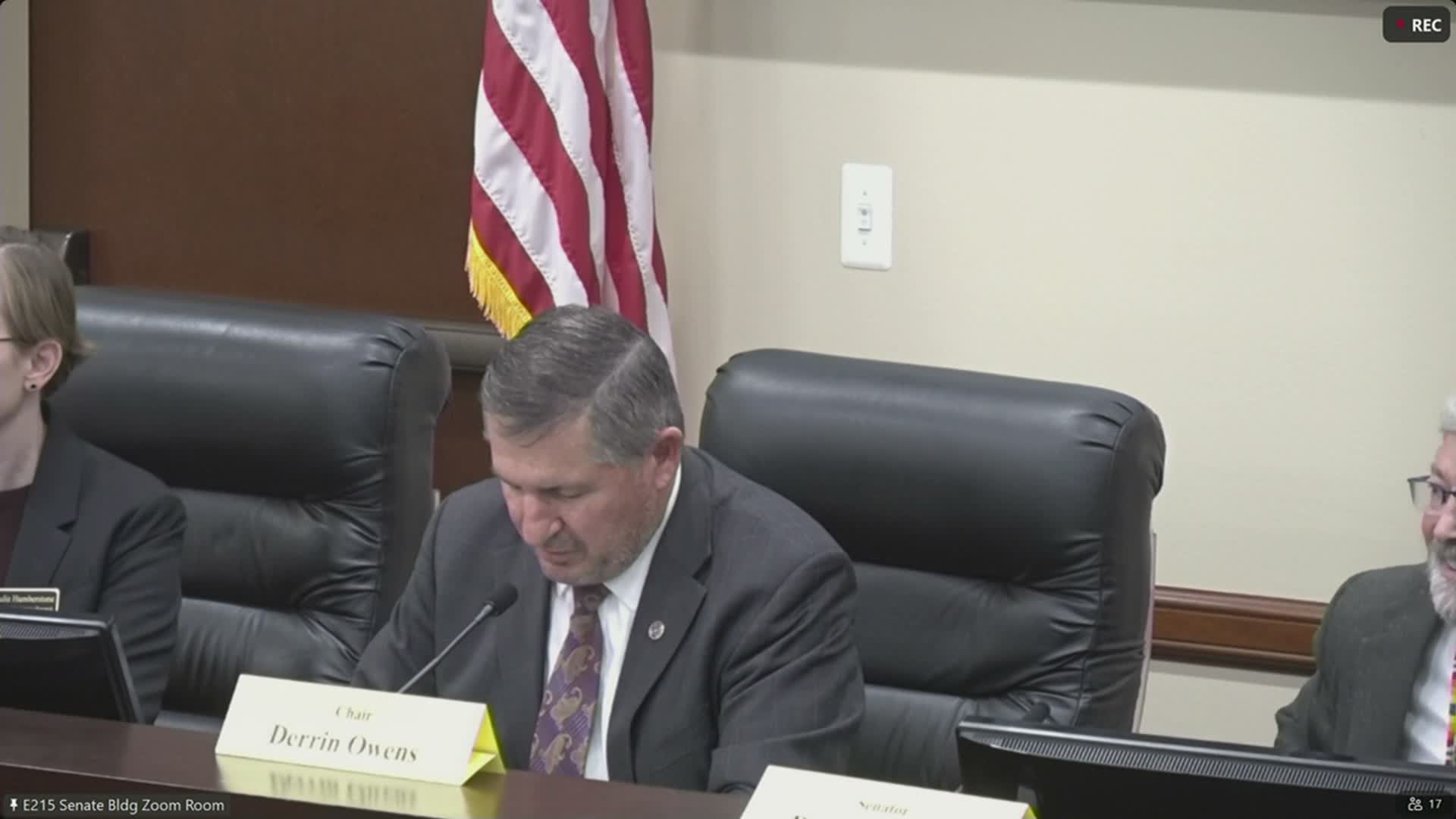
Senate Bill 70, a bill that would require local emergency operation plans to identify at least one sheltering option that can accommodate household pets with evacuees, was presented to a Utah Senate committee and drew broad stakeholder participation before the committee voted to hold the measure for further work.
Sponsor Senator Plumb described the bill as non-prescriptive and locally adaptable, saying the aim is planning, not building new shelters or hiring staff. Plumb said the measure grew from disaster experiences and federal guidance and emphasized that localities could determine what works for their communities.
Several animal-welfare and emergency-response organizations supported the bill. Christina Pulsipher of Rough Haven Crisis Sheltering said SB70 "does not require that every shelter have to house pets in the same space as people" and highlighted existing partnerships with nonprofits and veterinary partners. Ian Williams, president of the Utah Animal Control Officers Association, told the committee "many families just will not evacuate if they can't bring their pets with them," and urged a favorable recommendation. Alexis Pagalades of the Humane Society of Utah framed the bill as a public-safety measure that reduces risky rescues by first responders.
Emergency management stakeholders expressed practical concerns. Catherine McMullen of the Utah Emergency Management Association said the provision stating animals be "sheltered with the resident" could be read to require animals to sleep in the same space as people and that many jurisdictions lack facilities, equipment, policies or trained staff to implement co-located sheltering; she said it would be "negligent" to require plans the jurisdictions could not carry out. Other emergency managers and county-level officials raised similar concerns about cost, staffing and facilities, and asked whether state or regional resources might be more appropriate.
Committee members also raised questions about tribal sovereignty and whether line items in the draft could criminalize actions during disasters. After debate the committee voted to hold SB70 in committee to allow further drafting and stakeholder conversations; the sponsor said she would continue to work with counties and stakeholders to refine language.