Get Full Government Meeting Transcripts, Videos, & Alerts Forever!
Get email alerts on the Judiciary Resourcing topic
No spam. Unsubscribe anytime.
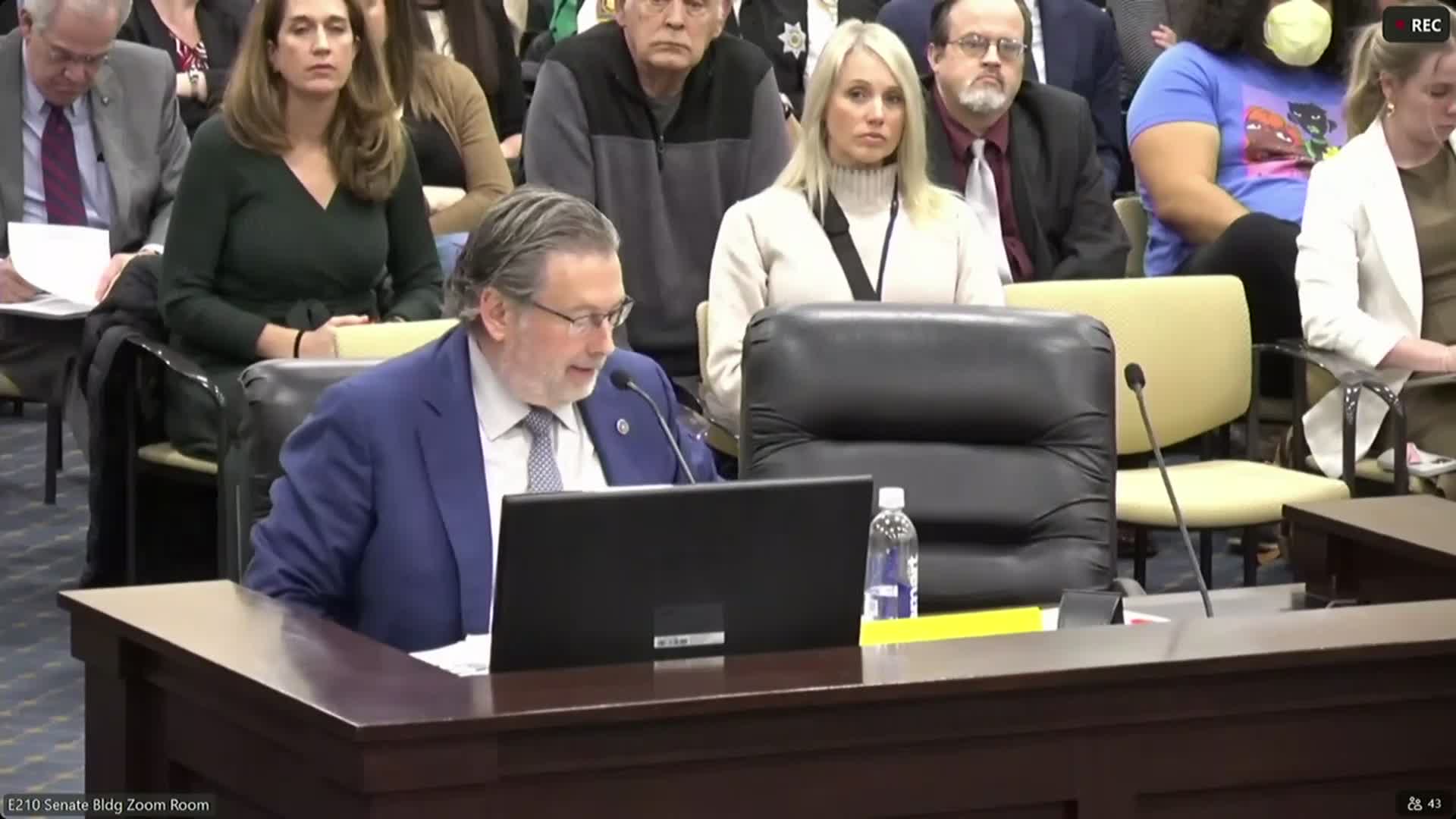
Senate committee backs substitute to add judges across Utah courts while members debate optics of Supreme Court expansion
Summary
After hours of testimony, the Judiciary Committee approved a substitute package that adds two Supreme Court justices, two Court of Appeals judges and three district court judges targeted to high-need districts; committee vote was 8'to'1 in favor.
The Senate Judiciary Committee voted to favorably recommend a substituted version of SB134 that expands judicial capacity across the state by adding appellate and trial judges and related staff.
Sponsor Senator Wilson framed the measure as a response to population growth and rising appellate filings, saying Utah needs more system-wide resources. The substitute adopted by the committee adds two Supreme Court justices, two judges to the Court of Appeals, and three district court judges targeted to the 3rd, 5th and 4th districts. Committee discussion emphasized the fiscal cost of salaries, law clerks and facilities; the sponsor and supporters estimated an ongoing fiscal impact of several million dollars.
Public testimony was split. Law professors and civic groups warned of the timing and the appearance of court-packing, with University of Utah law professor Teneal Brown saying "Packing the courts for political reasons is wrong." Bar and practitioner groups, including the Utah State Bar, urged investment in lower-court staffing (judicial assistants and clerks) and juvenile-court support, arguing bottlenecks are primarily at the district level.
Retired Judge Connors told the committee he supported adding district and appellate judges but opposed expanding the Supreme Court. Several senators noted alternatives (e.g., paneling models used elsewhere like Nevada) and asked court administrators for data on filings and rulings; sponsor and stakeholders committed to follow-up research.
Senator McCall moved the committee's favorable recommendation on the first substitute as amended; the committee recorded a favorable vote of 8'to'1 (Senator Pitcher opposed). The package will advance with the substituted language and amendments incorporated.
The committee's action: first-substitute SB134, including Brammer's amendment and other committee adjustments, was favorably recommended by an 8'to'1 vote.