Get Full Government Meeting Transcripts, Videos, & Alerts Forever!
Get email alerts on the Provider Directories topic
No spam. Unsubscribe anytime.
Committee passes 'Ghostbusters' bill to tackle inaccurate provider directories; sponsors, providers and insurers call for further work
Summary
The committee passed HB71 (first substitute) 11–2 to require improved provider-directory accuracy, single‑case agreements when enrollees cannot find in‑network care, and a study/work group to explore a centralized master directory; providers warned citations could harm clinicians and urged safeguards.
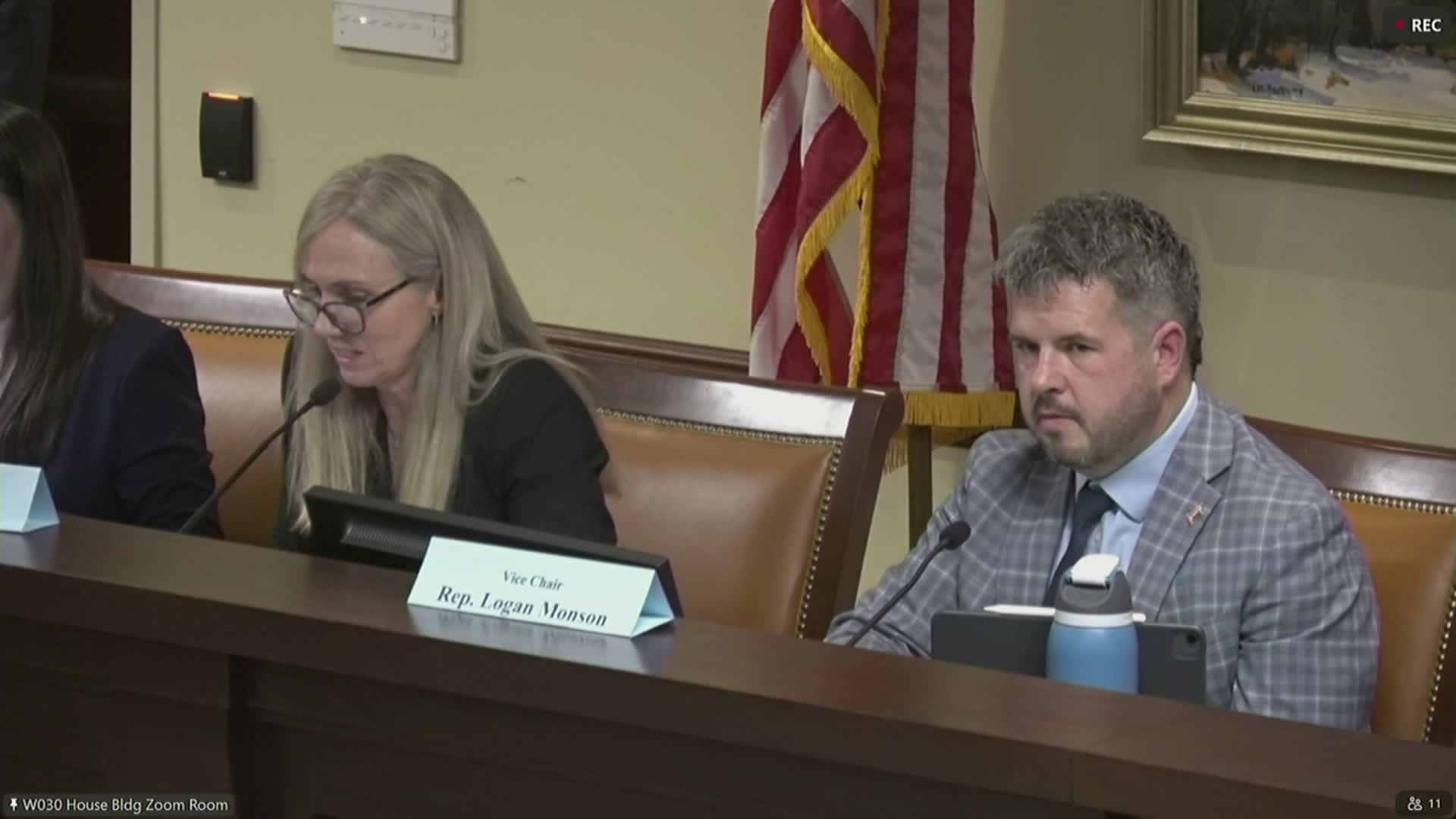
The Health and Human Services Standing Committee gave a favorable recommendation to HB71 (first substitute), legislation sponsored by Representative Lisonbee intended to reduce inaccurate insurer provider directories and improve access to behavioral‑health care.
Representative Lisonbee described recent work on the bill and cited a legislative audit by the Office of the Legislative Auditor General (OLAG) that found directory inaccuracies affecting an estimated 69% of providers sampled. He said the bill would add incentives and, after repeated failures to respond to directory‑update requests, permit issuance of citations (instead of immediate licensure penalties) and would require insurers to negotiate single‑case agreements when patients cannot find appropriate in‑network clinicians. Lisonbee also proposed a stakeholder work group to study a centralized master directory tied to licensure.
Public testimony was extensive and split. Mental‑health provider groups—represented by Sarah Straub (Utah Association for Marriage and Family Therapy), Jessica Black (Utah Mental Health Counselors Association), Jamie Braus (Utah Psychological Association), Leanne Rupp (NASW regional director) and others—expressed support for improved accuracy but warned that citation language could effectively become disciplinary record and harm clinicians’ liability insurance and ability to remain on panels. Providers described administrative burdens, credentialing handled by large platforms or group practices, and unreliable carrier communications. Several witnesses recommended removing any disciplinary consequence from the bill or ensuring robust procedural safeguards and documented notice (time‑stamped confirmations) before penalties.
Insurer representatives supported the goal of a more accurate, centralized directory and urged a collaborative technical solution; they reported low provider response rates to update requests and cautioned that heavy penalties could shrink networks and worsen access. Representative Lisonbee said he had reduced the bill’s potential licensure consequences to citations and added the work group to resolve operational details.
Representative Daley Provo moved to adopt the first substitute; the committee adopted the first substitute and later voted to pass the bill out favorably with the first substitute in place. The final committee vote on the substitute was 11 Aye to 2 No. Sponsor and stakeholders committed to continued collaboration on guardrails, verification methods, and exceptions for complex contracting situations.
Representative Lisonbee summarized the bill’s aim: to improve directory accuracy and patient access while using the work group to resolve technical issues around notice, enforcement and single‑case agreement guardrails.