Get Full Government Meeting Transcripts, Videos, & Alerts Forever!
Get email alerts on the Patient Complaint Process topic
No spam. Unsubscribe anytime.
Committee advances bill requiring written complaint instructions for patients who allege professional misconduct
Summary
The Health and Human Services Committee gave a favorable recommendation to HB164, which would require medical offices to provide patients alleging professional misconduct with written instructions on how to file a complaint with DOPL. The sponsor said the change "creates a bridge" without altering definitions or DOPL procedures.
The Health and Human Services Standing Committee voted to favorably recommend HB164, a bill by Representative Gracious that would require office personnel to provide in writing to any patient who alleges professional misconduct instructions on how to file a formal complaint with the Department of Occupational and Professional Licensing (DOPL).
Representative Gracious told the committee the bill does not change the definition of professional misconduct or the DOPL complaint process but "creates a bridge" so patients know how to proceed. She recounted a case in which a patient who had plastic surgery said the surgeon contacted her on a dating app and later, during a follow-up, engaged in behavior she found inappropriate. The sponsor said the patient was offered $4,000 and then $8,000 to sign nondisclosure agreements and that she declined both offers.
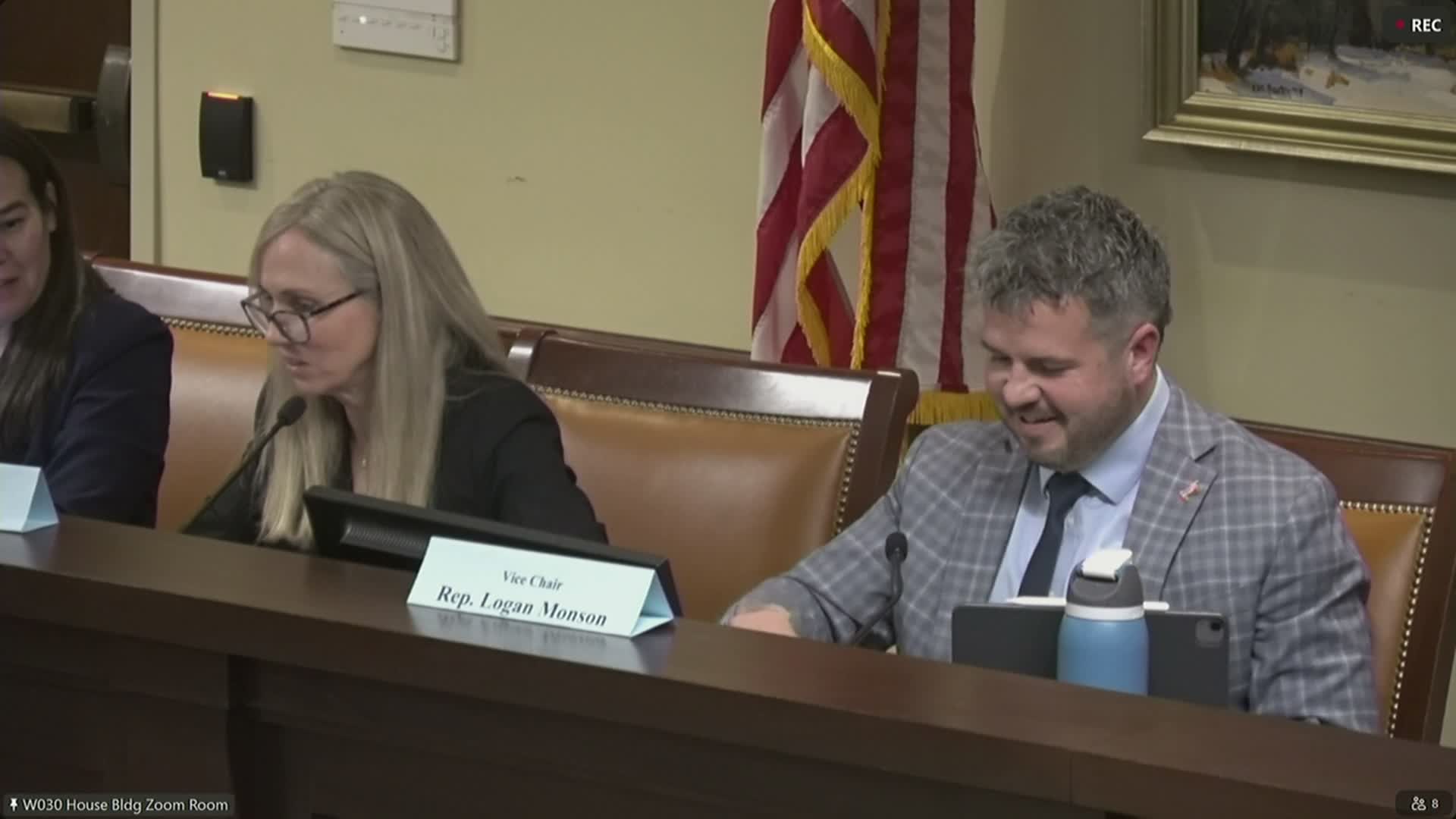
During questions, Representative Fitzsimmano asked whether the required disclosure is a one‑time notice or a recurring disclosure; the sponsor said the bill mandates a single written notice explaining how to file a complaint. Representative Monson asked whether a posted notice at an office front desk would meet the requirement; the sponsor said the bill intentionally leaves how notice is delivered flexible—paper handed to the patient or an emailed notice both would meet the requirement as long as it is provided in writing. Representative Ward asked whether office staff would recognize what constitutes professional misconduct; the sponsor pointed the committee to the Medical Practice Act as the statutory definition staff could consult.
Representative Clancy moved that the committee favorably recommend HB164. After a brief final comment from the sponsor, the committee voted by voice and passed the motion with no opposed votes.
HB164 will go forward to the next legislative step with a favorable committee recommendation.