Get Full Government Meeting Transcripts, Videos, & Alerts Forever!
Get email alerts on the Tribal Identification topic
No spam. Unsubscribe anytime.
House passes optional Native American notation for Utah IDs; sponsor says measure protects privacy
Summary
The House passed HB 52 to allow enrolled members of federally recognized tribes in Utah to request an optional Native American notation on state driver licenses or IDs using existing tribal documentation; sponsor said the measure is optional, privacy‑protecting and intended to streamline identification for tribal members. Vote: 73‑0.
The Utah House of Representatives on Jan. 21 passed HB 52, which allows enrolled members of federally recognized Native American tribes in Utah to request an optional Native American notation on their Utah driver license or identification card using existing tribal documentation.
Representative Malloy, the bill sponsor, told the chamber the notation is optional, uses existing tribal and federal documents and does not require new data collection or disclosure of tribal affiliation. "This policy was requested by the leaders of our various tribal leaders," Malloy said, adding the notation is intended to "protect privacy" and give enrolled tribal members a neutral way to acknowledge identity while treating all Utahns equally under the law.
Representative Romero asked whether the notation would apply to tribal members who are not enrolled in a Utah tribe; Malloy replied the bill applies to federally recognized tribal enrollment. Representative Kristofferson pressed on the purpose of the designation and whether it could invite other groups to request similar notations; Malloy said the designation is designed to assist tribal citizens in practical situations (for example, when traveling off tribal lands, registering to vote or avoiding confusion about citizenship) and that tribal citizenship is a unique status that may merit this accommodation.
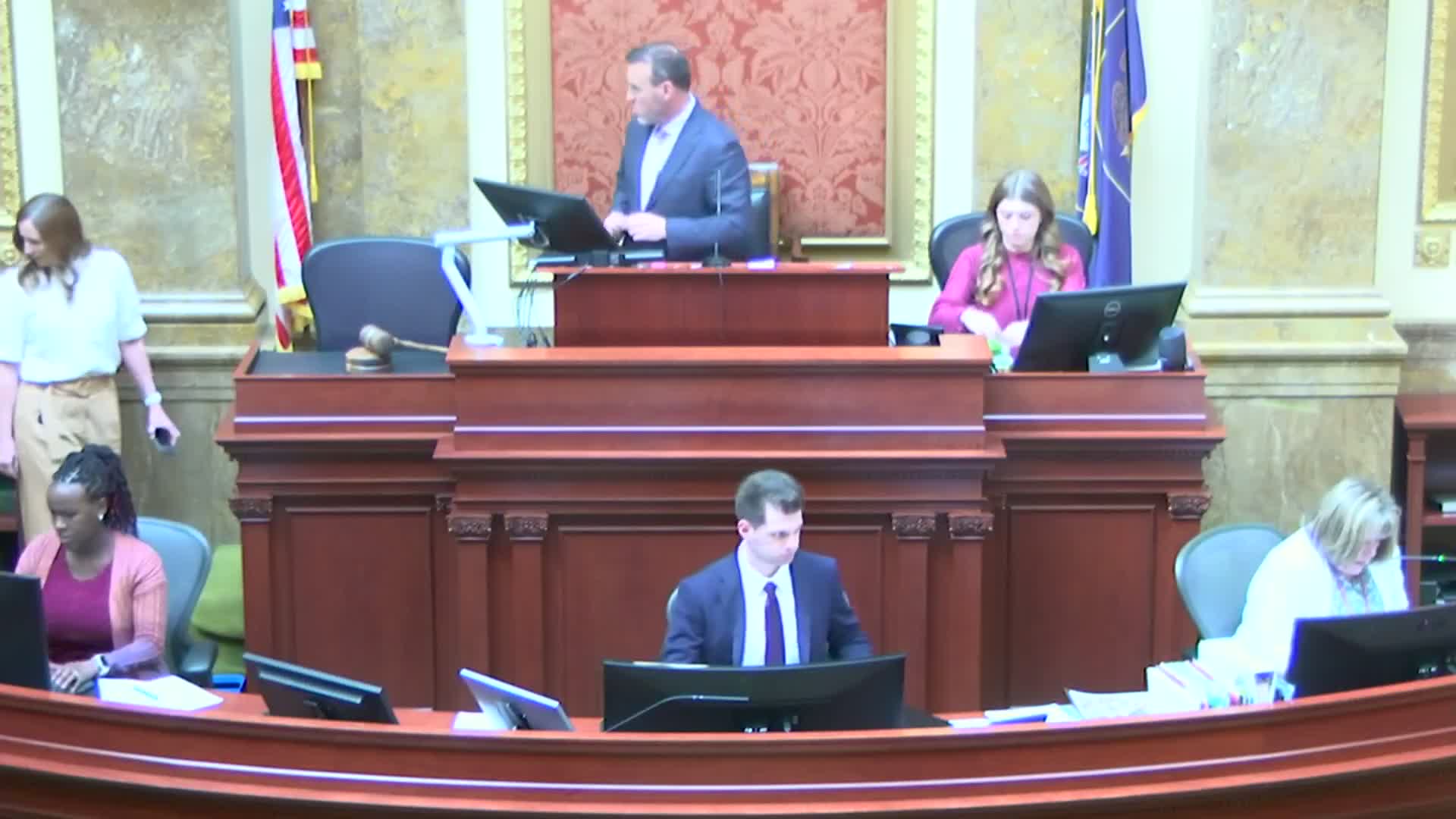
The House opened and closed voting on HB 52 on the floor and recorded the bill as passed by a 73‑0 vote; the clerk announced the measure will be transmitted to the Senate for consideration.
The bill, as presented on the floor, emphasizes: optional use by enrolled members of federally recognized tribes; reliance on existing tribal and federal documents; protection of private tribal affiliations by not specifying tribe names on the notation; and the sponsor's view that the notation will streamline interactions with state agencies and third parties. The sponsor repeated that the notation "does not identify a specific tribe or disclose sensitive personal information." The bill includes no floor amendments as delivered and passed by voice and recorded vote.
Next steps: HB 52 will be transmitted to the Utah Senate for its consideration.