Get Full Government Meeting Transcripts, Videos, & Alerts Forever!
Get email alerts on the Kratom Policy topic
No spam. Unsubscribe anytime.
Senate advances kratom measures to third reading, scheduling 7‑hydroxy as controlled substance
Summary
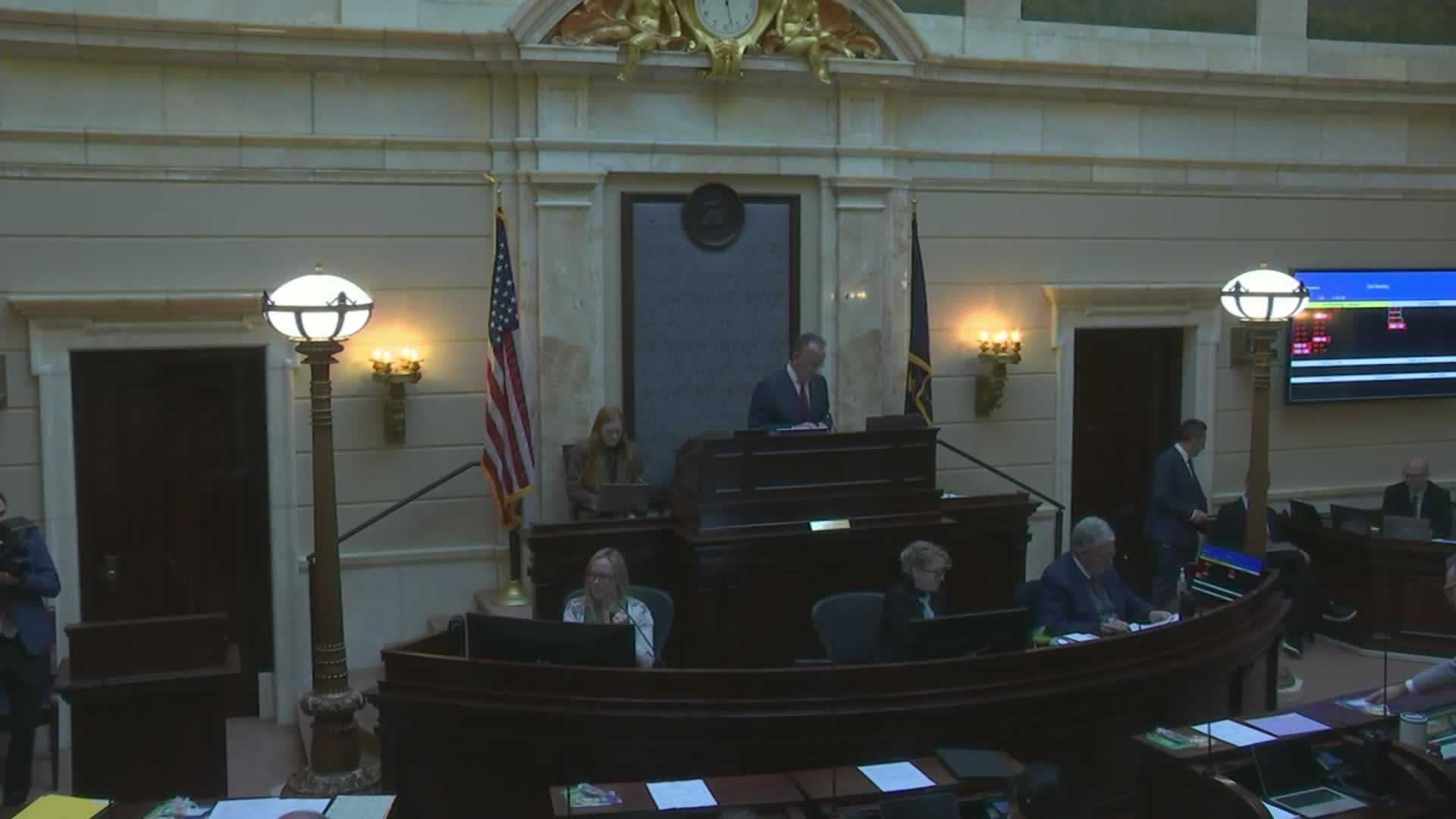
The Utah Senate debated a package of kratom-related measures Jan. 2026, approving a schedule change for the toxic alkaloid 7‑hydroxy (SB48) and advancing a specialized-product tax to fund enforcement (SB101); both measures cleared a third‑reading roll call with overwhelming support.
Senator Evan J. Vickers presented a pair of bills addressing kratom and a potent kratom‑derived alkaloid, saying the measures are aimed at removing a dangerous substance from the market while funding enforcement. "We're proposing to schedule 7‑hydroxy and another related product as a Schedule I controlled substance," Vickers said, arguing the compound "meets all the criteria" of an opioid and has been linked in media reports to deaths.
Why it matters: Supporters said the measures would let regulators and law enforcement focus on a narrow, highly harmful alkaloid while preserving a path for other legislative action. Senator McCall, who said she had earlier sought a complete ban, called the bill "an important step" because the compound can be synthesized without kratom. Senator Plumb said the most dangerous component has "no business being out in our communities." The bills also address enforcement resources: SB101 would add kratom to a specialized‑product tax to fund inspections and enforcement.
What passed and how: After floor debate and summation, the roll call for SB48’s third reading recorded 26 "aye" votes, 0 "nay" and 3 absent; the Senate ordered the bill to be read a third time. First substitute language for SB101 (specialized product tax to fund enforcement) likewise advanced, with a third‑reading action recording 26 "yay" votes, 0 "nay" and 3 absent.
Key claims and responses: Proponents repeatedly warned of public‑safety risks from 7‑hydroxy and the possibility that the compound could be synthesized and reintroduced in other products if kratom alone were banned. Sponsors noted committee confusion at an earlier hearing and said the package reflects committee clarifications. Opponents of continued kratom sales were urged to support the scheduling measure as a pathway to remove the most dangerous element from consumer products.
What’s next: Both measures were moved to the third‑reading calendar by Senate action. A separate, broader ban on kratom was described as pending in committee and could further alter legal status if enacted.
Sources: Statements on the floor by Senator Evan J. Vickers (bill sponsor), Senator McCall, Senator Plumb and the official roll‑call readouts recorded on the Senate floor.