Get AI Briefings, Transcripts & Alerts on Local & National Government Meetings — Forever.
Lawmakers weigh modest, across-the-board Medicaid provider increase to stem provider exits
Loading...
Summary
A proposal to raise Medicaid reimbursement rates by about 2% across provider categories was presented as a structural way to shore up providers, leverage federal matching dollars and reduce service loss; sponsors said it is a limited, fiscally measured response to inflation and staffing pressures.
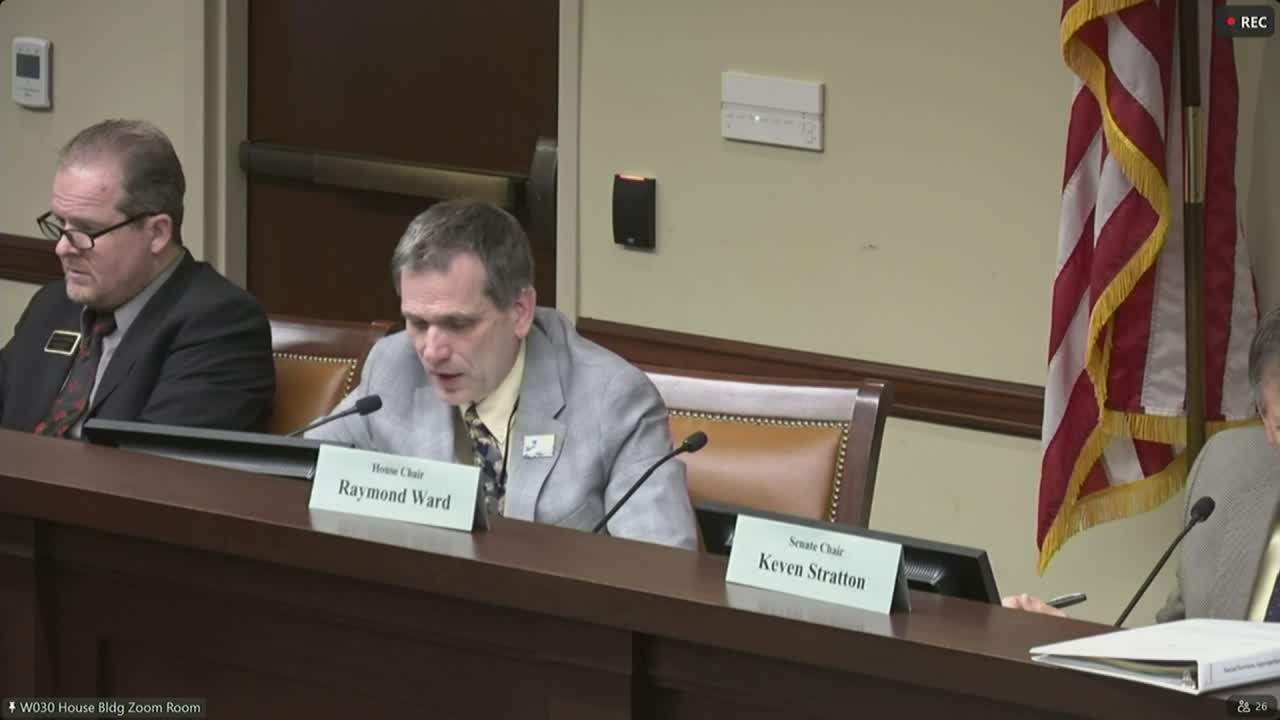
Sponsor Senator Stratton told the Social Services Appropriations Subcommittee that lawmakers face a large roster of funding requests and described a macro approach: a modest, broad-based increase to Medicaid provider rates intended to stop provider exits and ensure payments reach frontline providers. "What we are doing here is we are proposing many of the requests talk about increases for providers. This is a macro request to lift, bring the tide and rise the tide a little bit with all our providers," the sponsor said.
Senior staff presenter Lincoln Shirts explained the request would be structured as a roughly 2% adjustment that aims to reduce the need to pick winners and losers among provider groups. He said the state share would be approximately $20.6 million and that federal matching funds could bring the total to roughly $54 million. "A 2% increase...is simply trying to keep up with inflation," he said, noting medical-cost inflation runs higher than general inflation and that some provider categories still fall short of true costs.
Committee members asked whether the proposal duplicates the existing 2% statutory increase that flows through managed-care organizations and whether the money would reach providers instead of being absorbed by intermediaries. Lincoln Shirts answered that the statutory 2% mostly benefits managed-care entities and behavioral-health plans and that the committee request would increase reimbursement rates paid directly to the core provider rate categories to ensure funds flow to those providing care.
Members also raised scope questions. Representative Grishis and Representative Peck asked whether a sweep like this would cover mental-health, hospital, and other provider fees; presenters said it would be comprehensive across Medicaid provider types. The sponsor and staff framed the request as policy choice: a broad approach intended to prevent piecemeal rate adjustments that can leave some provider groups unreimbursed.
The subcommittee did not take a final vote on the RFA during the hearing; staff said they would return to compile prioritized lists and fiscal tradeoffs, noting the committee must deliver a package of recommended cuts and priorities to the Executive Appropriations Committee later in the week.