Sponsor pushes to decentralize petition signature verification; clerks warn of unfunded mandate
Loading...
Summary
Representative introduced a second substitute for HB 25 to send petition verification to the county where the majority of signers reside; clerks warned the change could shift costs to counties and fragment fraud detection, prompting the sponsor to seek more work before a committee vote.
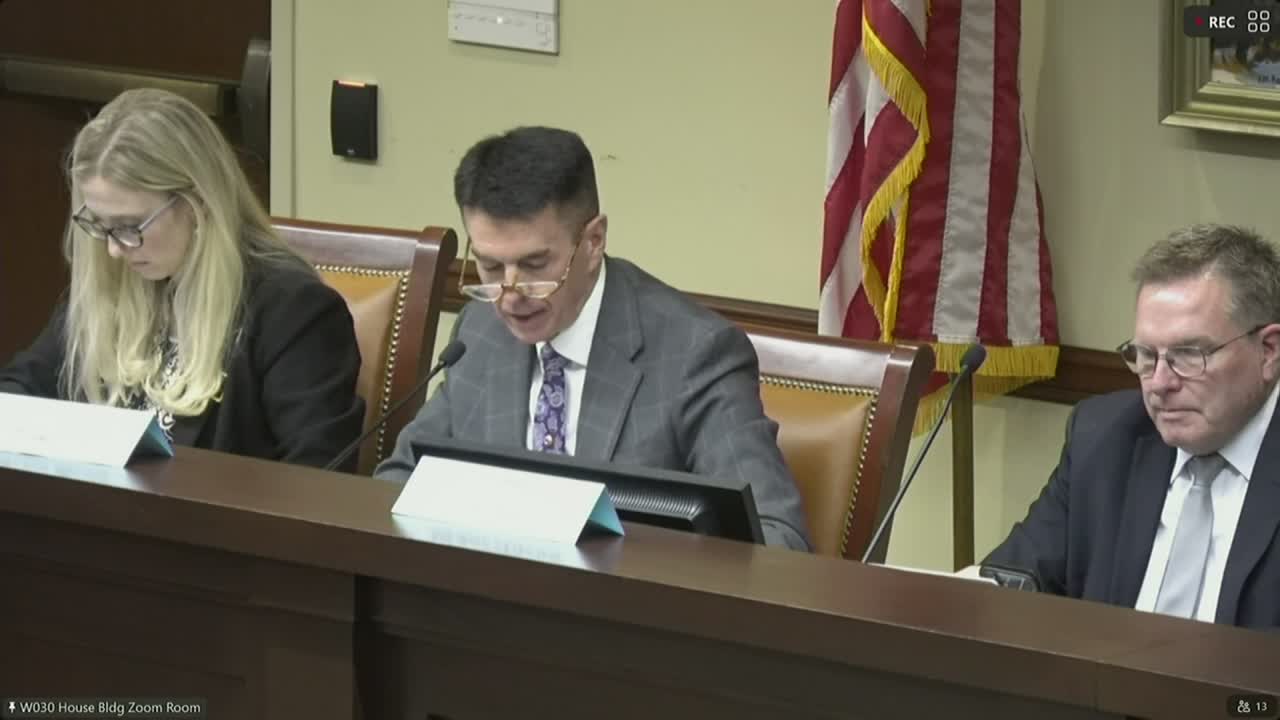
Representative introduced a second substitute to HB 25 proposing that multi-county and statewide petition booklets be verified by the county where the majority of signers listed their residence. The sponsor said decentralizing verification would spread the workload (citing 300,000 signatures in 2024 that were largely verified in one county) and increase transparency by allowing local clerks to certify packets.
Why it matters: The substitute would change where packets are processed for statewide and multi-county petitions and could alter deadlines tied to candidate conventions. Supporters argued decentralization reduces the risk of over-centralization and gives voters the ability to inspect packets in their home county. Opponents — led by Weber County Clerk Ricky Hatch — said the shift represents an unfunded mandate that could increase administrative burden and make observation of verification more difficult because candidates might need to travel to many counties to inspect packets.
Key testimony: Ricky Hatch told the committee county clerks have not taken a position on the second substitute and warned that counties are already overwhelmed, calling the shift an "unfunded mandate" that could produce inefficiencies. Cambria Cantrell of the Lieutenant Governor’s office said the LG’s office is neutral and warned that decentralization could hinder detection of questionable circulation patterns previously more visible in a centralized process. Aaron Davidson, Utah County Clerk, said calendar changes tied to other filings still give clerks adequate verification time under the substitute.
Public comment: Testimony included both support (Marilyn Mominee and Mary Anne Christensen of Utah Legislative Watch stressed local oversight and transparency) and caution (Seth Stewart and others urged a broader look at signature-based nomination procedures and potential unintended consequences).
Committee action: Rather than take a final vote, members agreed to move HB 25 forward on the agenda to allow the sponsor time to resolve open questions about deadlines, intake order and fiscal impacts. The sponsor indicated willingness to continue negotiations and to return with clarifications.
Next steps: Sponsor will work with clerks and staff to clarify procedural language and any fiscal implications before the committee considers a final recommendation.