
House committee backs bill to tighten rules for paid signature removers
Get AI-powered insights, summaries, and transcripts
Sign Up Free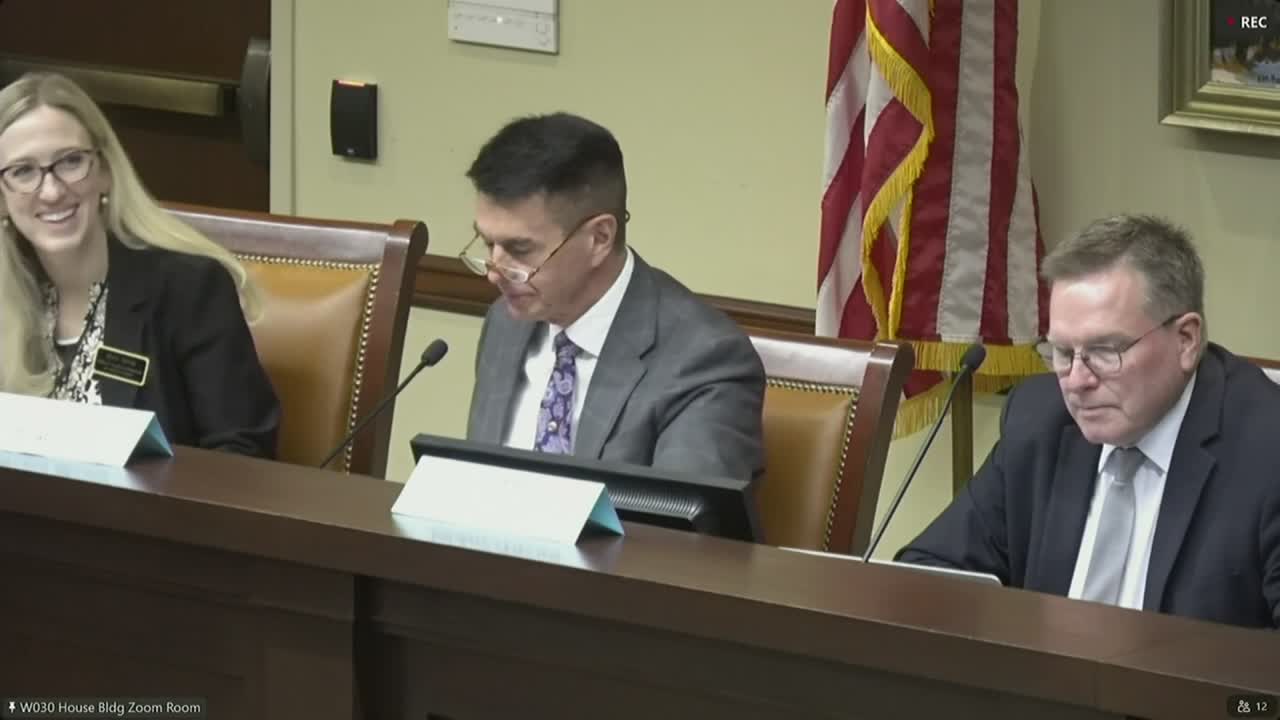
Summary
The House operations committee voted unanimously to favorably recommend HB 242, which would require paid petition signature removers to follow the same disclosure, age and certification rules that apply to paid signature gatherers, after testimony about a contested Clinton City referendum.
Representative Peterson introduced House Bill 242 to make the statutory requirements for paid signature gatherers apply equally to people paid to collect petition-signature removals. The sponsor said the change is intended to harmonize protections for voters and ensure paid workers who solicit removals wear disclosures, are at least 18 and certify witnessing signatures; misrepresentation remains a class A misdemeanor.
Why it matters: Supporters said the change would close a gap they said was exploited in Clinton City, where volunteers gathered 3,883 verified petition signatures but paid removers later succeeded in removing enough names to keep the measure off the ballot. Marie Doherty, Clinton City mayor, told the committee she had obtained doorbell-camera footage of canvassers offering payment and misrepresenting authority and said, “My constituents were deceived and thousands were disenfranchised.”
Who spoke: Kenneth Stringham of the Lieutenant Governor’s office said the LG’s office worked with the sponsor and “we support this bill” as a step toward harmonizing signature-gathering and removal procedures. Several local petitioners — including Adam Larson, a Clinton resident and city council member — described pressure and confusion when paid circulators solicited removals and urged stronger disclosure and certification requirements.
Opponents and concerns: Richard W. Bengals, a Clearfield resident, warned that a package of election bills could cumulatively raise barriers to citizen-led ballot initiatives; he asked the committee to balance election integrity with protecting access to the initiative process. The League of Women Voters representative supported HB 242’s intent but asked for clarification about whether the bill’s requirements apply to non-door-to-door contacts (phone, text, email) and cautioned against chilling unpaid volunteers who only inform voters of their rights.
Committee action: Representative Loubay moved that the committee favorably recommend HB 242 (initiative and referendum signature gathering and removal amendments). The sponsor said she would coordinate training requirements with an existing signature-verification bill. The committee took a voice vote and the chair announced a unanimous favorable recommendation.
Next steps: With the committee’s favorable recommendation, HB 242 will move forward in the legislative process; sponsors and stakeholders signaled an intent to coordinate language about training and to clarify the bill’s scope for non–door-to-door contacts.