Get Full Government Meeting Transcripts, Videos, & Alerts Forever!
Get email alerts on the Property Tax topic
No spam. Unsubscribe anytime.
House circles substitute to let county assessors verify primary-residence exemptions by matching driver's license data
Summary
A second substitute to HB 46 would allow county assessors limited access to driver's license name/address/age to verify primary-residence property-tax exemptions; members sought clarity about impacts on rental properties and exemptions.
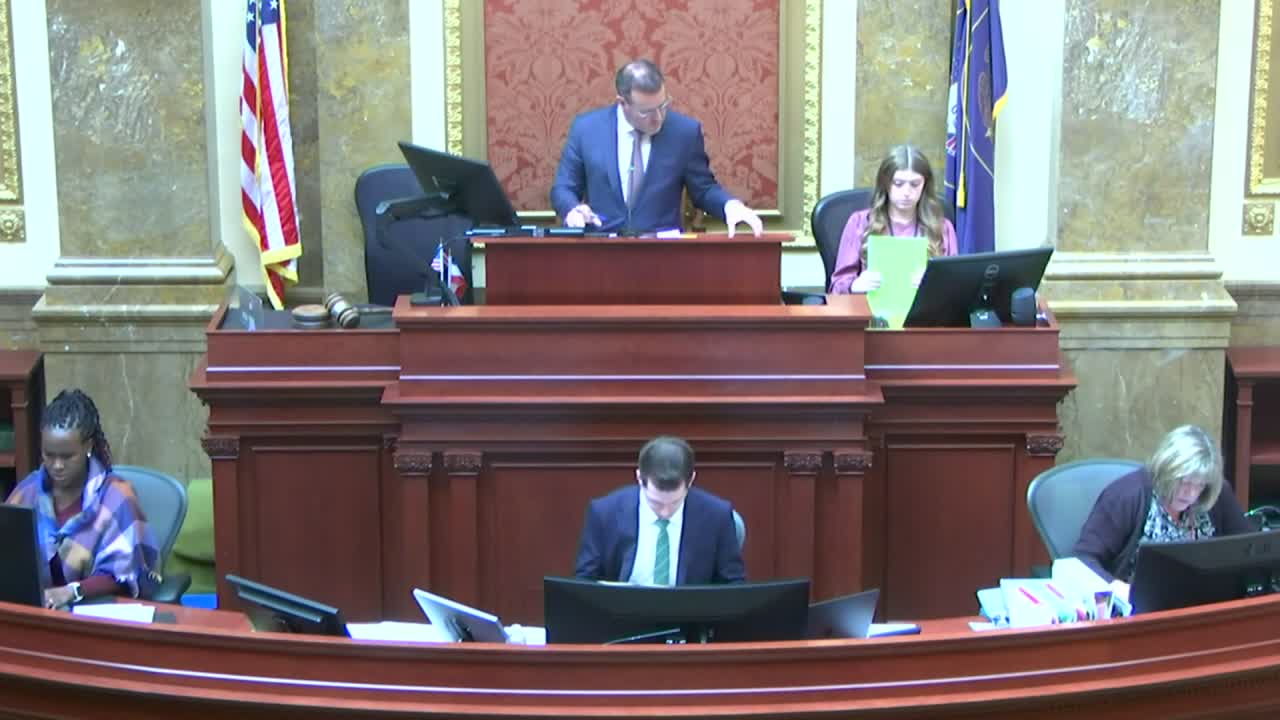
On Jan. 23 the House considered a second substitute to HB 46, a bill that would allow county assessors to match a property owner's name and driver's license address to the primary-residence exemption used in property-tax calculations.
Representative Cheryl K. Shelley, sponsor of the measure, said the proposal "saves tax dollars in every county in this state" and explained the policy aims to reduce abuse whereby an individual might claim a primary-residence exemption on both a primary home and a vacation cabin. Shelly said the change is intended to reduce counties' reliance on private credit-bureau subscriptions for residency verification and would give assessors limited access to the name, address and age necessary to verify primary-residence status.
Members raised questions over unintended consequences. Representative Dunnigan warned the change could have "a huge policy shift" if rental properties that currently qualify for the residential exemption start to lose it and asked for clearer administration guidance. Representative Kyle noted practical edge cases where owners and renters interact and sought clarity about when multiple properties might be considered primary residences.
The House "circled" the second substitute (a procedural step to advance it to future consideration) by voice vote. Sponsors said they are open to questions and amendments to clarify impacts on rental-property exemptions and county administration.
Next steps: The circled second substitute will proceed through the calendar for further consideration; sponsors and county assessors will need to agree on administrative guidance to avoid unintended tax shifts.