
House passes substituted HB 209 to tighten state voter-citizenship procedures amid debate over scope and costs
Get AI-powered insights, summaries, and transcripts
Sign Up Free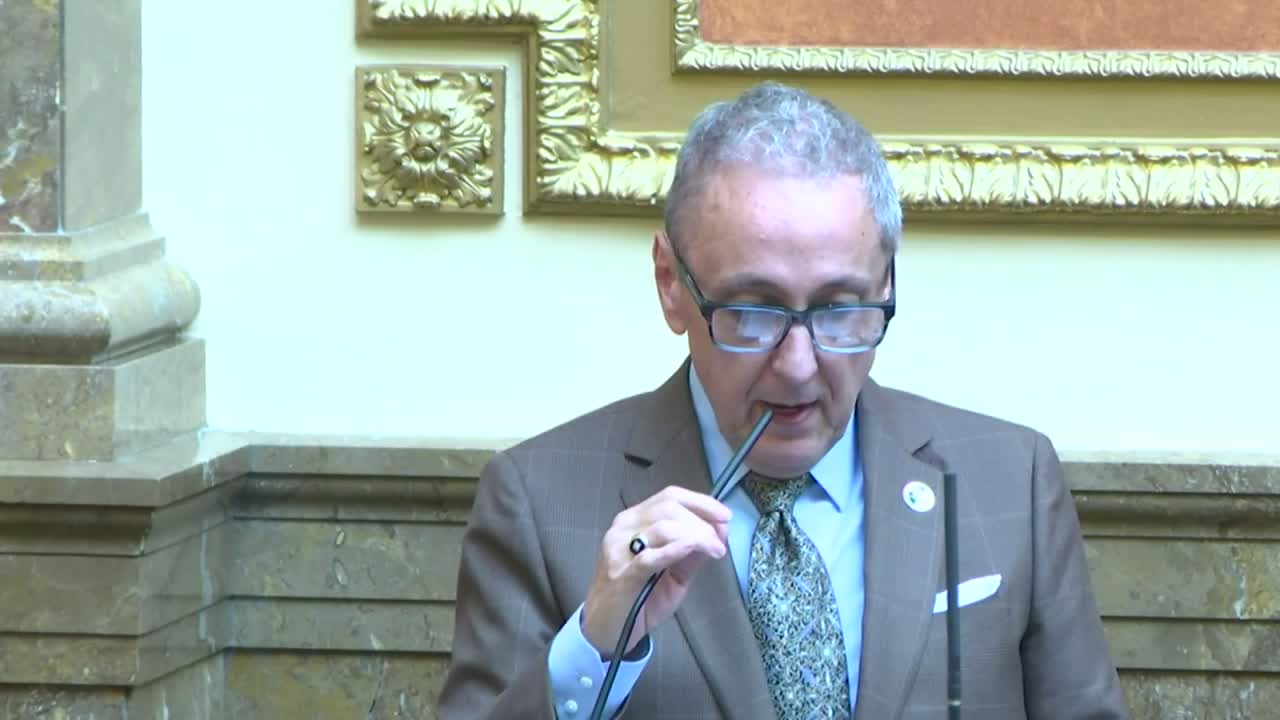
Summary
Lawmakers approved a second substitute to HB 209 to clarify procedures for notifying and verifying citizenship, including provisional ballots and name-change protections; opponents questioned the necessity and cited fiscal impacts.
The Utah House on Jan. 23 passed a substituted version of HB 209, a bill sponsors described as protecting the meaning of citizenship while creating notice, cure and provisional-ballot processes when a voter's citizenship is flagged.
Representative Malloy, sponsor of the substitute, told the chamber the measure "is designed to protect the meaning of citizenship" and said it would distinguish between federal and state ballots, allow provisional voting while questions are reviewed, provide time for documentation and include privacy protections for federal-ballot voters.
Members asked detailed questions about who may make determinations about citizenship and the bill's scope. Representative Romero raised concerns about the term "elected official" being broad and sought clarification whether it could be read to permit non-election officers to determine eligibility; the sponsor said the language refers to election officers, including county clerks and the lieutenant governor's office.
Representative Hayes said the recent audit discussed by the lieutenant governor suggested the problem is very small in Utah, noting "we only had 1 non citizen on our voter rolls and they did not vote," and questioned whether new spending was warranted. Hayes cited a fiscal figure on the floor of about $100,000 one-time state cost and $32,000 ongoing to local governments. In contrast, Representative Lisenby said she had "personal firsthand knowledge" of more than one noncitizen registered and who had voted and urged passage.
Supporters said the substitute resolves timing and notification concerns and provides name-change protections and privacy safeguards. Opponents raised cost and necessity issues but not procedural obstacles to passage. The House recorded the final vote as 62 yes and 13 no; the bill will be transmitted to the Senate.
Next steps: HB 209 goes to the Senate for consideration; the lieutenant governor's office and county election officials will be principal implementers if enacted.