
Senate approves expansion of Utah courts, adds justices and judges amid debate over cost and politicization
Get AI-powered insights, summaries, and transcripts
Subscribe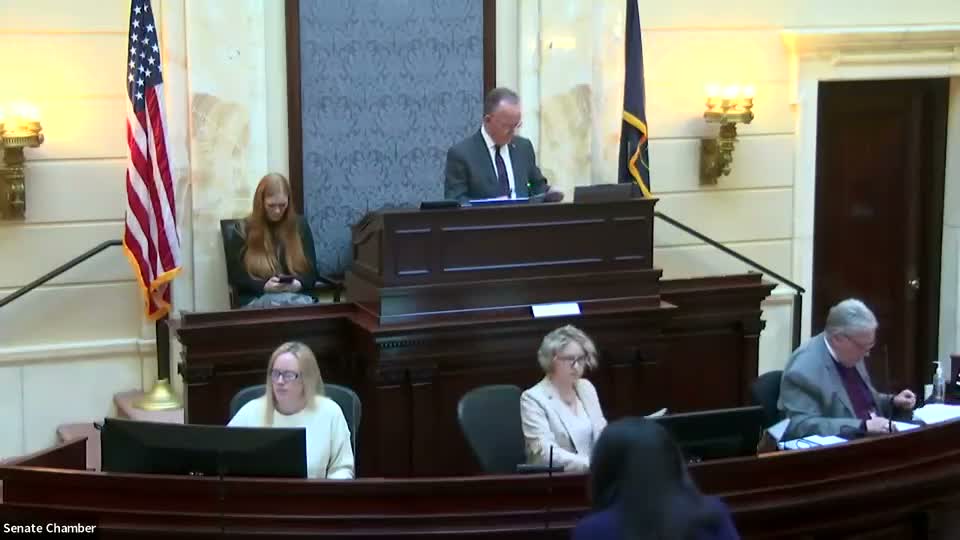
Summary
The Utah Senate passed Second Substitute Senate Bill 134 on Jan. 26, 2026, voting 21–8 to add Supreme Court justices, Court of Appeals judges and district court judges plus staff; proponents cited record appellate caseloads, opponents warned of cost and politicization.
The Utah Senate on Monday approved Second Substitute Senate Bill 134, a package of judiciary staffing and structural changes that will add justices, appellate and district judges and additional court staff to address rising appellate caseloads. Sponsor Senator Wilson said the expansion responds to “record setting caseload growth” reported by the Utah judiciary.
Supporters framed the measure as a response to rising demand and multi-year delays in some appeals, while opponents warned the expansion could politicize the courts and strain a tight state budget.
Wilson told colleagues the Utah Judiciary annual report shows substantial increases in filings, saying “the appellate courts experienced record setting caseload growth in fiscal year 20 25” and citing Court of Appeals and Supreme Court filing and ruling totals to make the case for new judges and law clerks. He described planned increases of judicial personnel and support staff to help “get to their cases in as fast a manner” and reduce delay for litigants.
Opponents pushed back on the data and cost. Senator Pitcher argued that adding two Supreme Court justices may not solve the perceived caseload problem and warned of increased costs and complexity: “I don’t think we’re doing it with good data,” and said the expansion would be an “expensive investment” — estimating “over 1,000,000 dollars to create 2 new supreme court justices.” Others expressed concerns about the optics and the possibility of politicizing the judiciary.
Defenders of the bill, including Senator Brammer, said the package also delivers district-court judges and expanded Court of Appeals capacity that will relieve bottlenecks. Brammer noted modern docket-management problems, cross-agency staffing shortfalls and prior investments in indigent defense and the attorney general’s office, framing the bill as part of a systemwide solution.
After extended debate and a call of the Senate to ensure attendance, sponsor Senator Wilson moved passage. The Senate recorded 21 yea votes and 8 nay votes; the bill passed and will be transmitted to the House for consideration.
What happens next: The measure heads to the Utah House for its consideration and any further amendment. Implementation timing and funding will be determined through subsequent budget and appropriations actions.