State lab and regulators warn of unregistered high‑THC hemp products and synthetic compounds in consumer goods
Loading...
Summary
Department officials told lawmakers the specialized products division and state lab found high rates of unregistered industrial hemp products, detected semi‑synthetic cannabinoids and novel psychoactive compounds in marketed items, and flagged resource constraints in enforcement and lab testing.
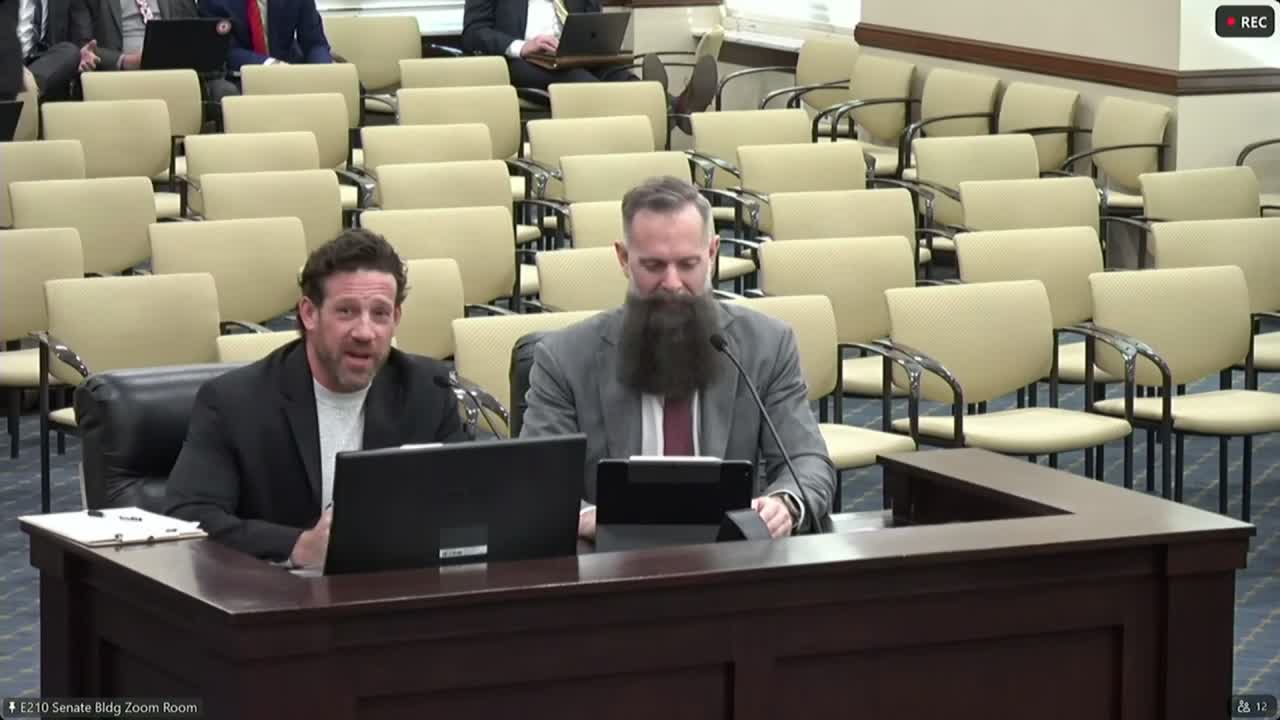
Cody James, deputy director of the Specialized Products Division, and Dr. Brandon Forsyth, director of Laboratory Services, told the appropriations subcommittee that the medical cannabis program has matured but that industrial hemp and kratom products pose enforcement and public‑health challenges.
James said the medical cannabis program currently operates under statutory caps (eight cultivator licenses and roughly 16 processors) with 47 overall licenses and about 15 pharmacies; in 2025 the eight cultivators harvested roughly 499,000 pounds (wet weight) and processors produced about 3.7 million product units. He said the department performed or oversaw thousands of inspections and lab tests and that failures were rare in regulated medical cannabis supply chains.
By contrast, James said the industrial hemp enforcement team found nearly 50% of sampled products unregistered or illegal—approximately 742–750 products identified on the market—highlighting high‑THC vapes, candy look‑alikes and beverage products sold through convenience stores and online channels. He said some distributors are difficult to trace; the division is coordinating with consumer protection and the State Bureau of Investigation on enforcement.
Dr. Forsyth said the department laboratory earned ISO 17025 accreditation (extended to cannabis and hemp testing) and expanded microbiology and chemistry capabilities. He described detection of unexpected and potentially dangerous compounds in marketed products—examples included delta‑8 THC in supposed mushroom wellness vapes and analogs of DMT and other psychedelic compounds discovered in pills and packaged items. Forsyth said the lab’s capability to detect and identify novel compounds is improving but resource constrained and that additional enforcement resources and interagency cooperation are needed.
Legislators asked about lab capacity and whether universities could assist; presenters noted statutory, funding and equipment constraints that limit university participation and that federal scheduling adds complexity for research.