Get Full Government Meeting Transcripts, Videos, & Alerts Forever!
Get email alerts on the Grazing topic
No spam. Unsubscribe anytime.
Grazing Improvement Program says virtual fencing and cost‑shares aided wildfire recovery
Summary
GIP officials reported post‑fire fencing losses and described cost‑share grants, virtual fencing adoption and FY26 project totals; members praised the program and asked about a roughly $1 million budget item.
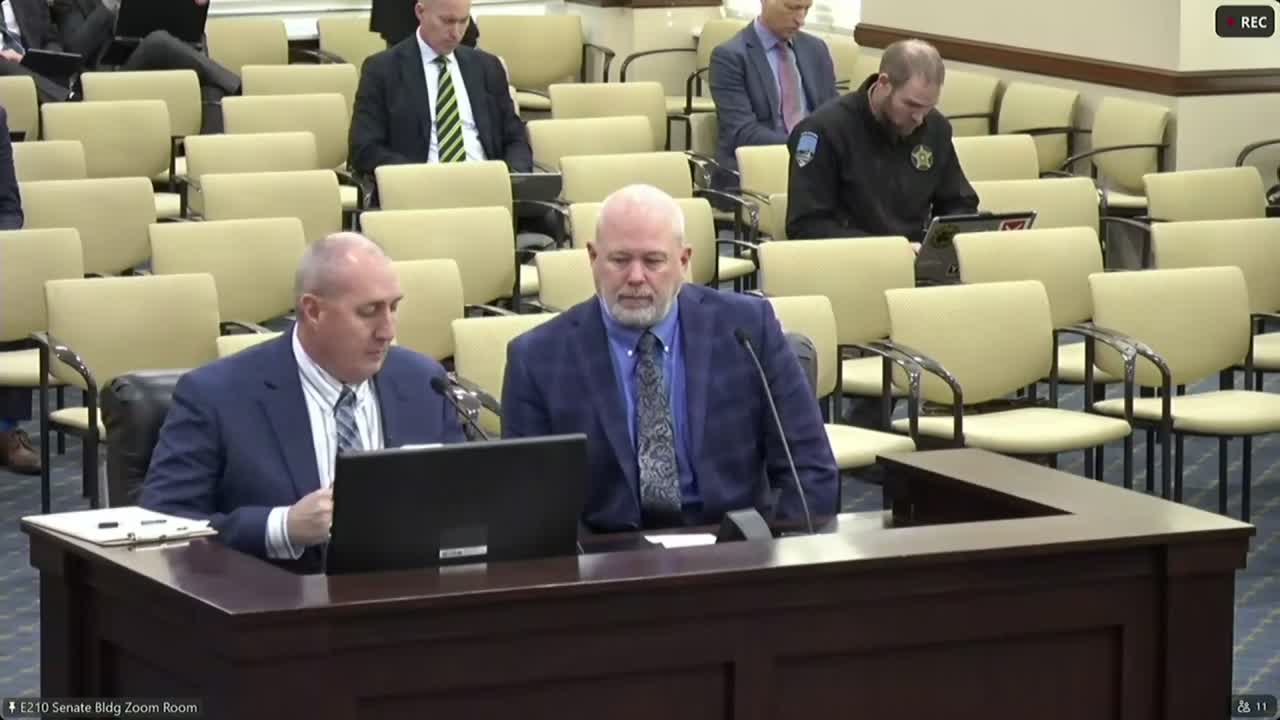
Tom Tippett, deputy director for the Grazing Improvement Program (GIP), told the appropriations subcommittee the program funds on‑the‑ground rangeland improvements and serves as a model for voluntary, locally led conservation. He said GIP installed or improved 233 watering points in fiscal year 2025 and funded 158 projects in fiscal year 2026 affecting more than 400,000 animal unit months (AUMs) at a cost of about $5.6 million.
Tippett described wildfire impacts from 2025, noting the Monroe Canyon fire burned tens of thousands of acres and destroyed more than 50 miles of fence in some locations; he estimated physical fence replacement at roughly $22,000–$26,000 per mile and total replacement costs in the Monroe burn area at about $1 million. For some large and rugged areas, GIP has been deploying virtual fencing systems and estimated that virtual fencing could cost about half of physical replacement (roughly $550,000 in the Monroe example), though the technology requires collars, subscriptions and training.
Committee members praised the program’s staff and urged continued focus on cost‑effective recovery. One legislator asked staff to review a $1 million budget item that appeared reallocated or deleted; staff said they would investigate and follow up with the chair’s office.
Tippett said GIP uses federal AUM return funds and other state resources and emphasized the program’s goals of rangeland health, producer sustainability and watershed protection.