Get Full Government Meeting Transcripts, Videos, & Alerts Forever!
Get email alerts on the Critical Infrastructure Cybersecurity topic
No spam. Unsubscribe anytime.
Panel endorses drinking-water cybersecurity bill to extend planning and reporting requirements to smaller systems
Summary
The committee favorably recommended House Bill 19, a refiled measure to require cybersecurity plans, training and breach reporting for more drinking-water systems; witnesses said the bill expands support to smaller systems while giving them extra time to comply.
Representative Jack presented House Bill 19, a committee refile that would broaden cybersecurity planning and reporting requirements for drinking-water utilities in Utah.
Why the bill: Representative Jack and Nathan Lundstedt, director of the Division of Drinking Water, said cyberattacks against water systems are increasing and that current federal requirements (America's Water Infrastructure Act) obligate systems serving more than 3,300 people to have cybersecurity plans. HB19 would extend planning and reporting expectations to additional community water systems while giving smaller systems more time to comply and offering templates, outreach and technical assistance.
Key provisions discussed: Witnesses described staggered compliance deadlines (larger systems already under the AWIA threshold, smaller systems given until July 2027), a two-hour breach-reporting requirement to expedite expert response, and annual cybersecurity training. The Division said it can provide technical assistance and training resources, and the Utah Cyber Center and Department of Technology Services were described as available partners.
Cost and implementation concerns: Committee members pressed on likely costs to small systems, rate impacts and staffing. Witnesses said many low-cost mitigation steps (password hygiene, patching, multifactor authentication) are available, and that technical assistance and templates will reduce burdens. Members cited examples where delayed reporting prevented recovery of funds and data.
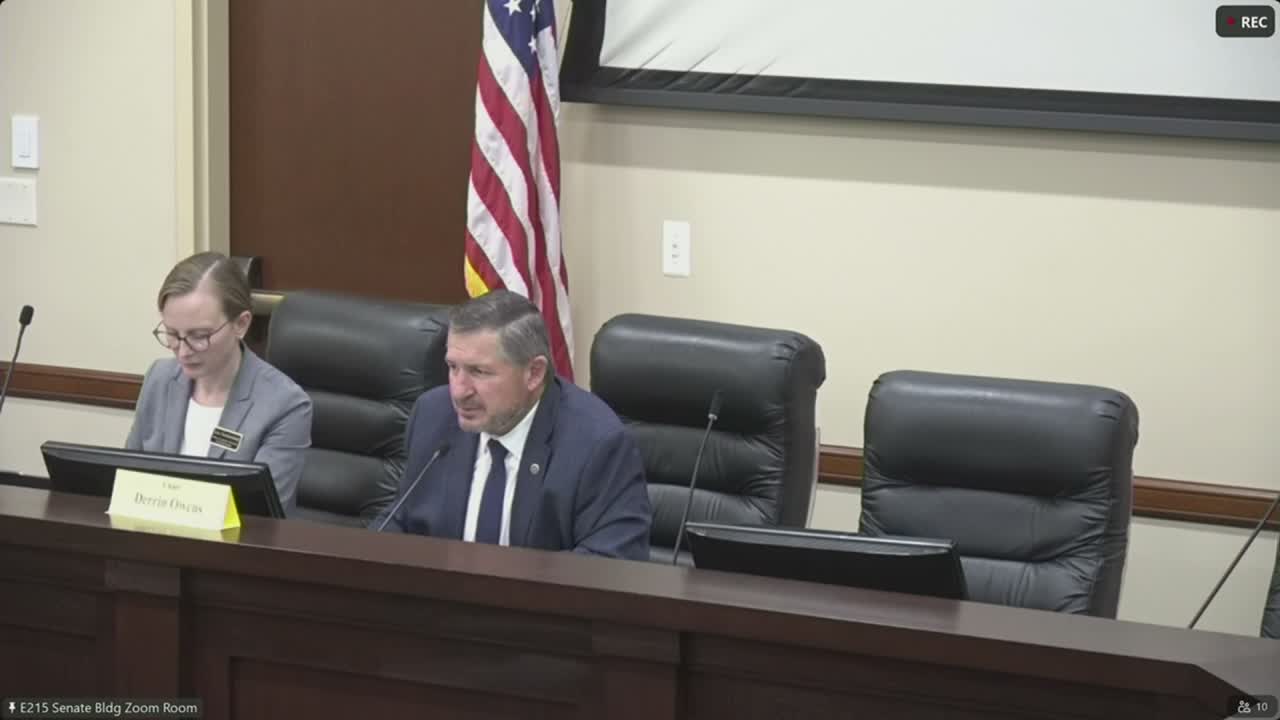
Committee action: Senator Hankins moved to favorably recommend HB19 to the full Senate; after discussion the chair ruled the motion passed and the bill will advance. The transcript records unanimous committee support on the motion but does not provide individual roll-call tallies.
Next steps: The bill moves to the full Senate; sponsors and the Division highlighted outreach and training plans to help smaller water systems comply.