Get Full Government Meeting Transcripts, Videos, & Alerts Forever!
Get email alerts on the Income Tax Policy topic
No spam. Unsubscribe anytime.
Committee advances competing income‑tax measures amid debate over automatic cuts and timing
Summary
The Revenue and Taxation panel advanced a first substitute to SB116 (automatic income‑tax rate reductions tied to revenue growth) and favorably recommended SB60 (0.5 percentage‑point cut). Lawmakers debated timing, effects on appropriations and social services, and whether reductions should be automatic or tailored annually.
The Senate Revenue and Taxation Committee on Jan. 28 advanced multiple income‑tax proposals that would reduce or automate reductions in Utah's income‑tax rate, setting up a negotiation over competing approaches.
Senator Fillmore presented a first substitute to SB116, which would trigger automatic, incremental income‑tax rate reductions when state revenue growth exceeds a formula that accounts for population growth and inflation. Under the sponsor's description, the mechanism establishes multi‑year revenue targets and reduces the rate by one basis point once a calculated dollar threshold is met; the approach returns part of excess revenue to taxpayers while preserving legislative flexibility.
"This just defines what those amounts are...and then upon meeting those targets...the rate goes down by 1 basis point," Fillmore said, describing safeguards to avoid over‑reducing revenues. He said the bill takes roughly half of growth for potential reduction while leaving the remainder for state needs.
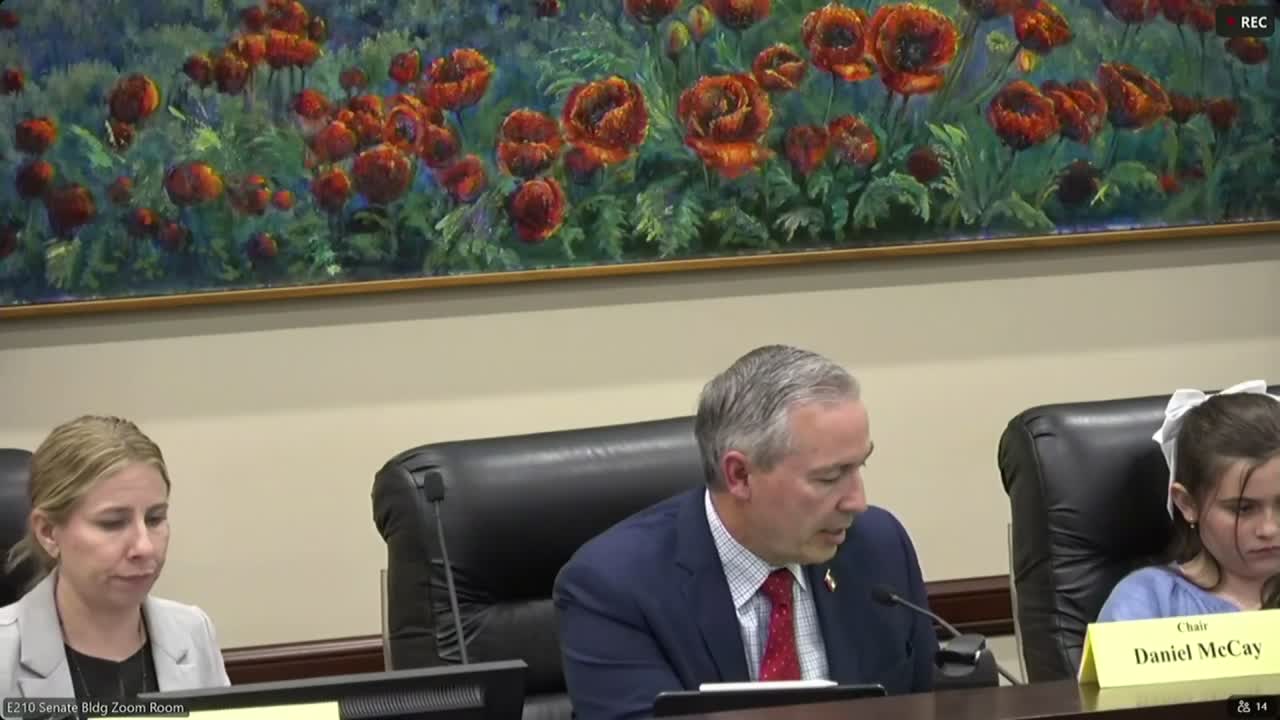
Senator Dan McKay separately presented SB60, a stand‑alone proposal to reduce the income‑tax rate by 0.5 percentage points in the current fiscal year (from 4.5% to 4.45%). Proponents argued rate reductions improve long‑term competitiveness; critics warned about short‑term revenue uncertainty and the effect on education and social‑service budgets.
Senator Escamilla and others pressed sponsors on timing — noting ongoing appropriations pressures and federal changes affecting state revenue — and asked whether automatic reductions would leave the legislature less able to tailor tax policy to annual needs. Sponsor Fillmore said the substitute sets the target based on conservative revenue numbers and retains legislative authority to make additional tax changes.
After debate, the committee substituted and advanced the first substitute for SB116 (vote recorded 3 to 2) and favorably recommended SB60 (vote recorded 4 to 1). Lawmakers signaled further negotiations to combine or reconcile the competing approaches in an eventual tax package.
Next steps: Both measures were reported favorably and will be considered in further floor negotiations and in the broader tax package.