Get Full Government Meeting Transcripts, Videos, & Alerts Forever!
Get email alerts on the Bankruptcy Exemptions topic
No spam. Unsubscribe anytime.
Senate committee advances bill to shield EITC, add $10,000 bankruptcy 'wild card'
Summary
A Senate Revenue and Taxation committee substitute to the Utah Exemptions Act would allow a $10,000 'wild card' exemption for unused homestead equity and exempt federal Earned Income Tax Credit refunds from bankruptcy trustees; sponsors say it aids renters and the working poor, while banking groups urged more negotiation.
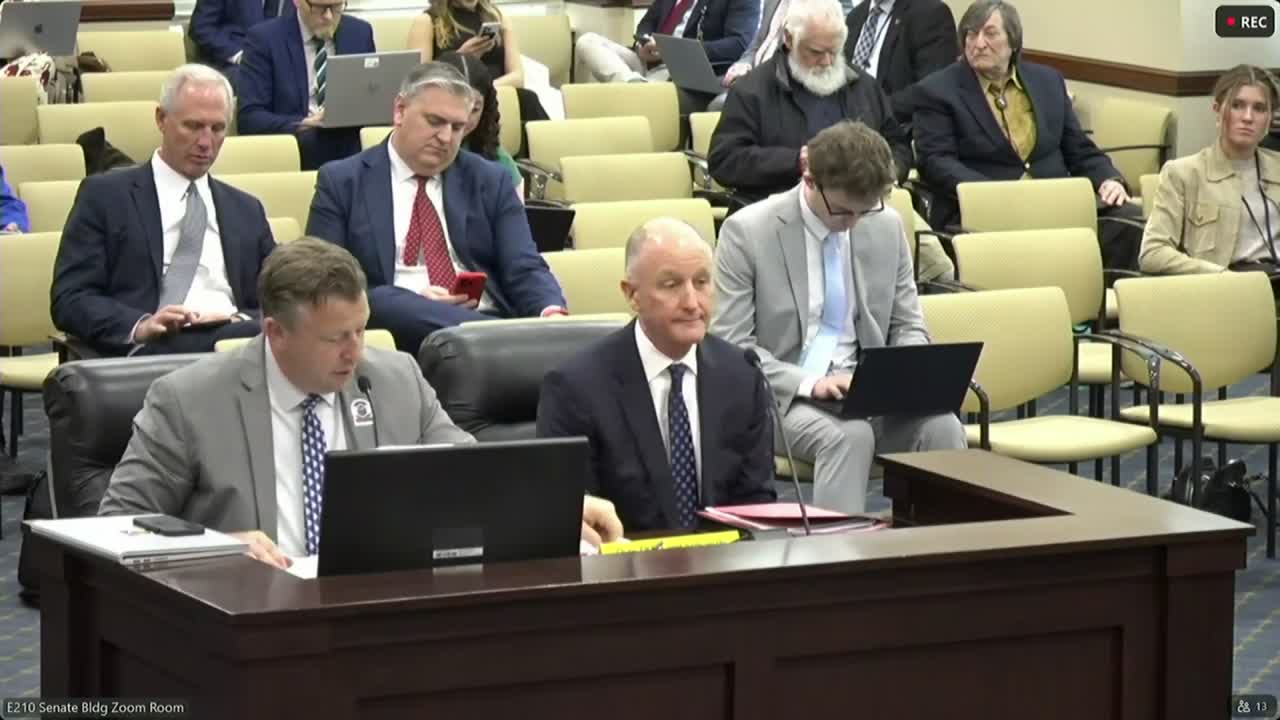
Senate committee members on Jan. 28 advanced a substitute to the Utah Exemptions Act that would add a limited "wild card" exemption for unused homestead equity and bar bankruptcy trustees from seizing federal refundable tax credits.
Senator Wyler, the bill sponsor, said the package responds to long‑standing gaps created when Utah opted out of the federal bankruptcy exemption scheme in 1978. Retired federal bankruptcy judge Joel Marker, who helped draft the language, told the committee the substitute includes two policy changes: a $10,000 wild card based on any unused homestead exemption and an exemption for the full amount of federal Earned Income Tax Credit (EITC) and Additional Child Tax Credit refunds so trustees cannot capture those federal transfers.
"This would help renters and other people to carry forward into their post‑bankruptcy life at least some small bit of assets that they would be able to use to restart their lives, their fresh start," Marker said, framing the measure as targeted at working poor filers.
Industry stakeholders urged caution. Rusty Cannon of the Utah Credit Union Association said the Constitution originally intended the homestead exemption to protect a primary residence and warned that a wild card could shield debts unrelated to housing. "Our worry is that this is a bit of a camel's nose under the tent," Cannon said, adding his group was "comfortably uncomfortable" with the first substitute but willing to continue negotiations.
Committee members pressed legal clarifications about whether claimants could invoke both state and federal exemptions; presenters clarified Utah's opt‑out status means Utah's statutory exemptions apply to Utah filers. Sponsor Senator Wyler said the first substitute removes any impact on state refunds to avoid a large Tax Commission systems change and that the fiscal implications were largely technical.
After amendment and a brief quorum delay, the committee substituted the bill and voted to favorably recommend the first substitute to the full Senate.
Next steps: The bill was reported favorably by the Revenue and Taxation Committee and will be scheduled for consideration by the full Senate.