Get Full Government Meeting Transcripts, Videos, & Alerts Forever!
Get email alerts on the Reentry topic
No spam. Unsubscribe anytime.
Committee endorses HB230 to streamline reentry: jail-based ID services, parole data reporting
Summary
Lawmakers advanced a substitute of HB230 to let jails assist long-term inmates with driver's-license renewal, authorize virtual licensing services, allow parole officers access to drug-test results with waivers, and require parole housing-status reporting to CCJJ. The committee adopted the second substitute and sent the bill to the floor.
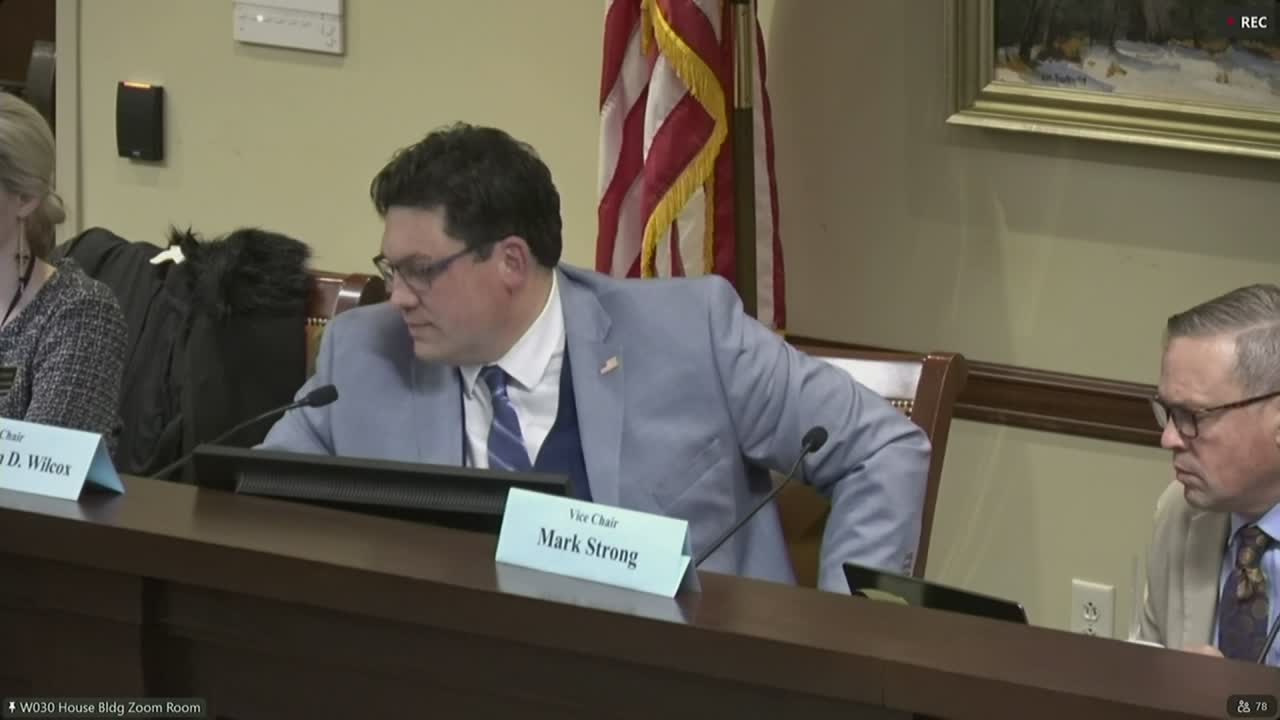
Representative Ballard presented the committee substitute to House Bill 230, which sponsors and supporters described as a package of practical steps to ease reentry and improve corrections oversight.
Ballard said the second substitute includes five components: (1) allow jails to help reissue or renew driver’s licenses for inmates serving longer than six months; (2) create a virtual option for driver's-license services to reduce travel by the Driver License Division; (3) authorize parole and probation officers to obtain drug-test results (with a signed HIPAA waiver) so supervisors can act on failed tests; (4) require yearly reporting to the Commission on Criminal and Juvenile Justice (CCJJ) on parolees’ housing status to measure reentry outcomes; and (5) require reporting on correctional incentives such as fee waivers and time-credit programs.
Ballard said the provisions are intended to align county jails, the Department of Corrections and sheriffs in ways that smooth transitions out of confinement, encourage behavior that reduces institutional issues, and provide data to measure whether parole supports successful reentry. Committee members asked clarifying procedural questions; no public witnesses spoke. The committee adopted the second substitute and voted to pass HB230 with a favorable recommendation.