Get Full Government Meeting Transcripts, Videos, & Alerts Forever!
Committee approves electronic‑signature changes for trusts, powers of attorney
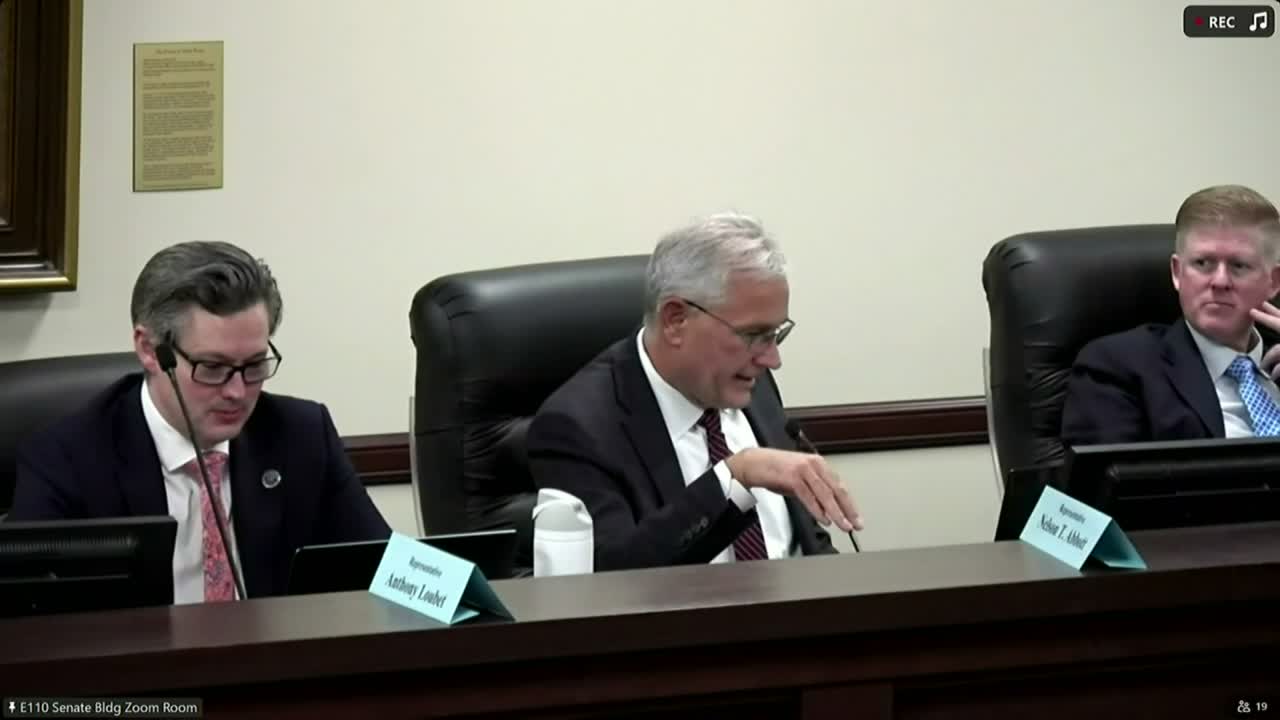
Utah House Judiciary Committee · January 28, 2026
AI-Generated Content: All content on this page was generated by AI to highlight key points from the meeting. For complete details and context, we recommend watching the full video. so we can fix them.
Summary
The Judiciary Committee unanimously adopted and favorably recommended HB 181, allowing electronic signatures and remote notarization for non‑testamentary estate planning documents to increase access while members discussed safeguards against counterfeiting.
Representative Jason Abbott presented HB 181, a measure adopting Uniform Law Commission guidance to permit electronic signatures and remote notarization for non‑testamentary estate‑planning documents — including powers of attorney, medical directives and certificates…
Already have an account? Log in
Subscribe to keep reading
Unlock the rest of this article — and every article on Citizen Portal.
- Unlimited articles
- AI-powered breakdowns of topics, speakers, decisions, and budgets
- Instant alerts when your location has a new meeting
- Follow topics and more locations
- 1,000 AI Insights / month, plus AI Chat
30-day money-back on paid plans