Lifetime Citizen Portal Access — AI Briefings, Alerts & Unlimited Follows
House committee advances Schultz bill to change Sentencing Commission membership, prompting debate over victims’ voice and defense representation
Loading...
Summary
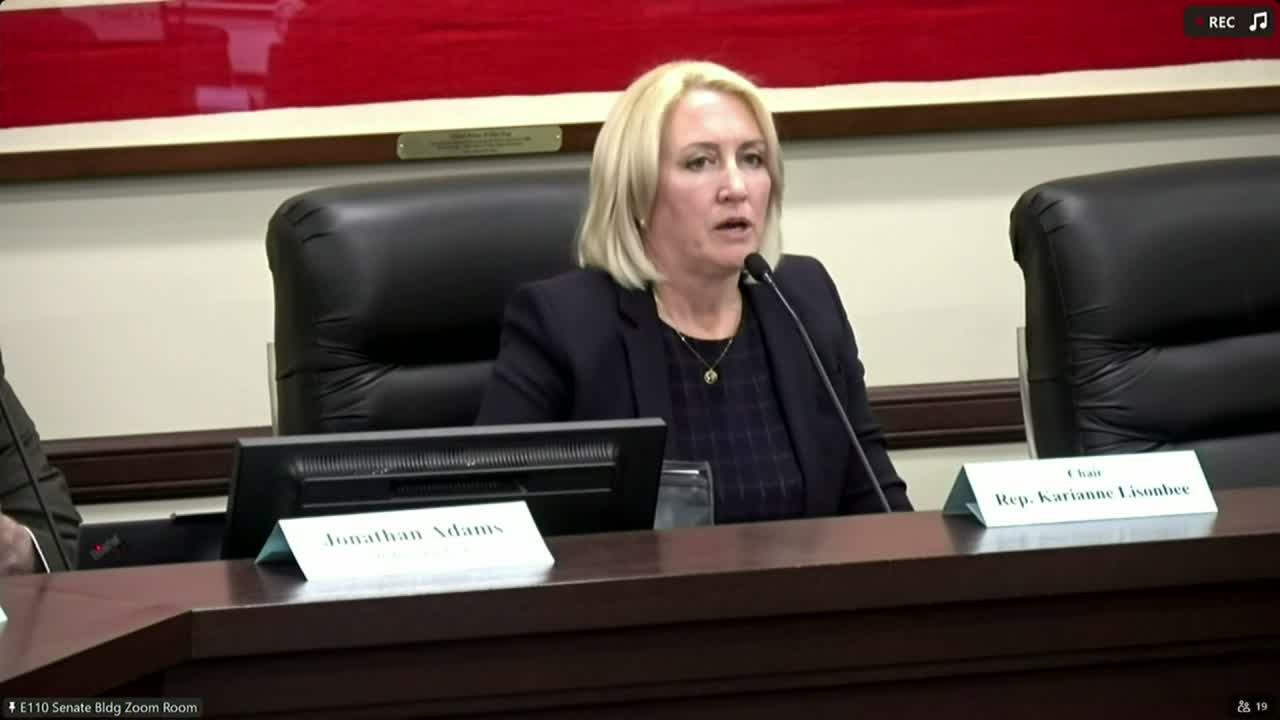
The Utah House Judiciary Committee adopted a first substitute to HB 274, shifting several defense‑attorney seats on the Sentencing Commission to prosecutors and sheriffs and directing a review of guidelines for serious crimes; the measure passed the committee 9–2 after extended public comment from victims, law‑enforcement and defense lawyers.
Speaker Mike Schultz introduced a first substitute to HB 274 on the House Judiciary Committee agenda, saying the measure removes several defense‑attorney seats on the Utah Sentencing Commission and adds representation from prosecutors and sheriffs. Schultz said the change responds to recent sentences that he and many constituents find inadequate for serious offenses and directs the commission to review and revise guidelines for serious crimes so "criminal sentences reflect the seriousness of the crime, to protect the public."
The sponsor repeatedly cited a May 2025 case in which Judge Torgerson sentenced a defendant convicted of possessing and distributing child sexual‑abuse material to probation and time served. Schultz said the Sentencing Commission’s 2025 adult sentencing guidelines recommended a presumptive sentence of "0 prison time" with a local jail range and a midpoint of 105 days for that offense, and argued the commission’s composition has contributed to recommendations that do not reflect community expectations. "We give victims one spot on this commission and three defense attorney spots," Schultz said, calling that balance "sad."
The bill drew prolonged questioning from committee members concerned about where the proposal originated and whether it would create an unbalanced commission. Representative Miller asked if law‑enforcement or victims groups had requested the bill; Schultz said no formal request had initiated it but that he had discussed concerns with those stakeholders. Several members asked whether defense attorneys had an outsized influence in developing guidelines; the sponsor said he had not investigated commission records in depth but had seen instances he found troubling.
Public comment ran more than an hour and included a range of perspectives. Chad Jensen of the Utah Sheriffs Association said sheriffs did not request the bill but supported the sponsor’s intent to improve public safety. Multiple victims, including Deondra Brown and Rochelle Morris, urged the committee to increase victim representation and called for stricter consequences. Victim‑services and victim‑advocate speakers described feeling revictimized by what they characterized as minimal accountability in sentencing.
Defense advocates pushed back. Richard Morrow, executive director of the Salt Lake Legal Defender Association, and Mark Moffett of the Utah Criminal Defense Lawyers Association urged the committee to retain defense representation, describing the commission as a forum that applies evidence‑based practices and balances diverse perspectives. David Ferguson, who sits on the Sentencing Commission, cautioned that increasing penalties for one scenario can raise penalties broadly and asked the Legislature to pause and consider alternatives rather than removing defense voices.
Committee members split on the measure’s structure. Opponents on the committee said the substitute removes important independence and an auditing voice for fairness; supporters said it advances public safety and that moving the bill to the floor would allow further negotiation. Representative Clancy moved to adopt the first substitute and then to favorably recommend it. After debate, the committee voted to favorably recommend the first substitute to HB 274 by roll call, 9–2.
The sponsor and supporters framed the vote as a procedural step to continue work on sentencing policy in the legislative process; critics said they would press to restore defense representation or add additional victim representatives in later drafts. The committee record shows the substitute directs the Sentencing Commission to review guidelines for serious crimes and requires judges to ‘‘ensure criminal sentences reflect the seriousness of the crime, to protect the public.’’
The committee advanced the bill to the next stage; lawmakers and stakeholders indicated they expect further negotiations on membership and on how to preserve balanced, evidence‑based guideline development while responding to victims’ concerns.
The committee moved on to the rest of its agenda after the vote; HB 274 now proceeds to further consideration in the House.