Panel endorses changes to signature verification and narrows acceptable IDs for mail ballots
Loading...
Summary
HB311 allows poll workers to compare signatures on return envelopes when last-four ID digits match but signatures appear suspect, and removes utility bills and bank statements from the list of acceptable identification; the committee voted unanimously to advance the bill after testimony and questions about training and cure procedures.
Representative Burton outlined HB311 as a targeted improvement to election security after pilot tests showed cases in which a mailed ballot bore correct last-four ID numbers but a signature appeared forged.
The bill clarifies that poll workers who have reason to doubt a return-envelope affidavit may compare the signature on the envelope to the voter’s registration signature; it also narrows acceptable forms of identification by removing utility bills and bank statements. Burton said Utah provides state IDs at no cost and that the change reduces reliance on documents that can be less secure.
Committee members and public commenters debated the practicalities. Representative Lubay asked about volunteer poll-worker expertise and training; Ricky Hatch (county clerks) and Helen Moser (League of Women Voters) stressed that signature-verification training is required and that clerks audit the process. Several online commenters and handwriting experts urged caution about relying on signatures given natural variation over time, especially among older voters and people with disabilities; clerks noted cure procedures exist to allow voters to correct problems.
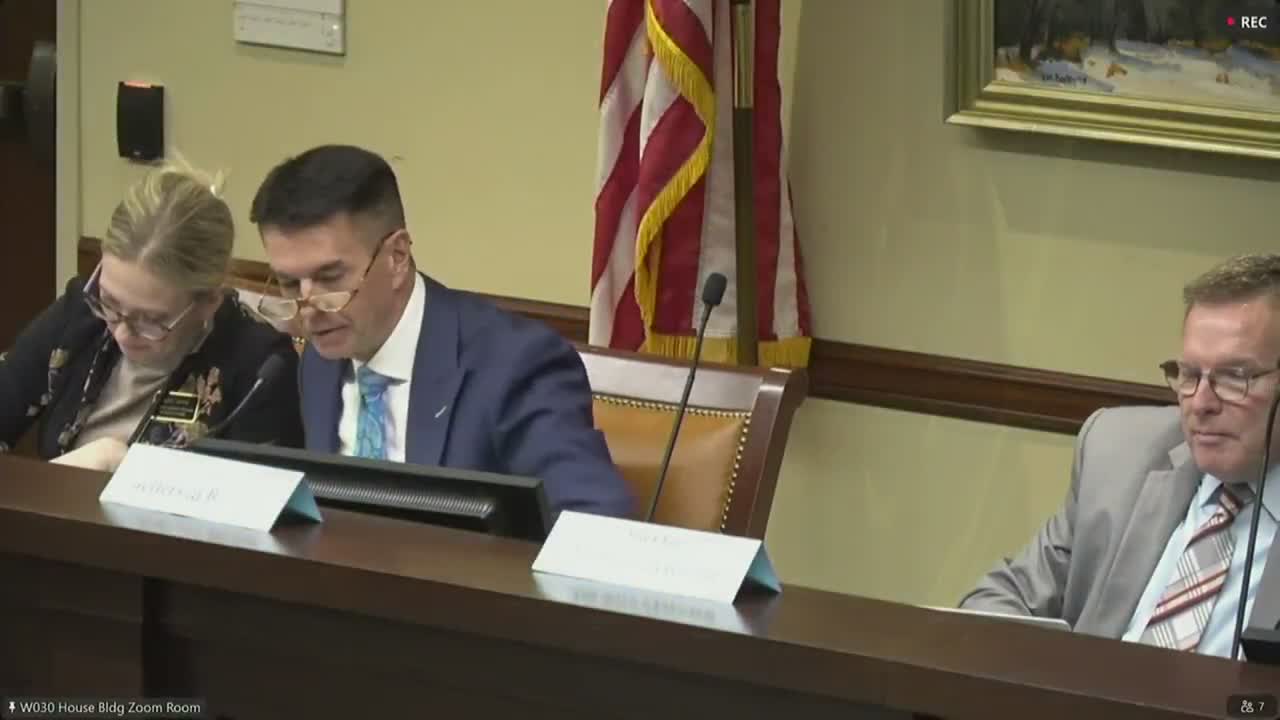
Representative McPherson moved to favorably recommend HB311; the committee voted by roll call and the motion carried unanimously. The committee sent the bill to the House floor with a favorable recommendation.