
House Energy and Commerce hearing spotlights large‑scale Medicare and Medicaid fraud and urges prevention
Get AI-powered insights, summaries, and transcripts
Subscribe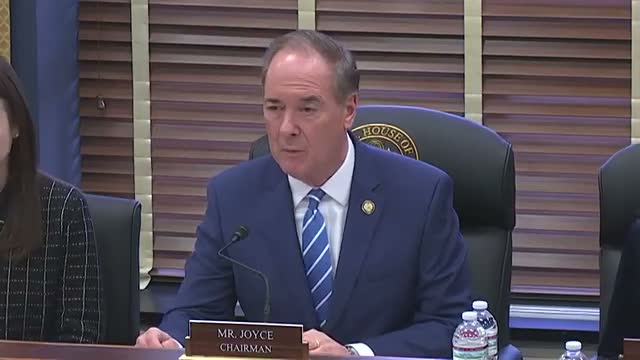
Summary
An opening statement at a House Energy and Commerce subcommittee hearing described Medicare and Medicaid fraud as a nationwide, long‑standing problem, cited multi‑state cases totaling hundreds of millions to more than $1 billion, and urged stronger detection and prevention rather than relying solely on prosecutions.
An unidentified speaker opened a House Energy and Commerce subcommittee hearing titled “Common Schemes: Real Harm—Examining Fraud in Medicare and Medicaid,” saying the session would examine widespread fraud that harms patients and drains taxpayer funds. “Some estimates place annual Medicare and Medicaid fraud losses at $100,000,000,000 annually,” the speaker said, calling that figure a conservative estimate because fraud is only counted when detected.
The opening statement framed recent prosecutions in Minnesota as illustrative of broader vulnerabilities in benefits programs and said Americans are outraged by waste, fraud and abuse. The speaker noted that the Government Accountability Office placed Medicare on its inaugural high‑risk list in 1990 and that Medicaid joined that list in 2003, and cited warnings from the Department of Health and Human Services Office of Inspector General as evidence the programs face an unsustainable rate of loss.
The statement summarized several recent, high‑dollar cases presented as examples of the problem: an alleged New York adult daycare owner who defrauded Medicaid of more than $68,000,000 through patient‑referral kickbacks and bribery screening schemes; an alleged Arizona scheme in which an individual based abroad billed Arizona Medicaid $650,000,000 targeting homeless people and Native Americans seeking substance abuse treatment; a multi‑defendant case in Arizona and Nevada alleging $1,100,000,000 in improper Medicare billing for medically unnecessary amniotic wound allografts; and a Florida laboratory owner who pleaded guilty to a $52,000,000 scheme involving medically unnecessary genetic tests billed to Medicare beneficiaries.
The speaker emphasized patient harms tied to these schemes, saying patients may receive unnecessary or inadequate care and can be victims of identity theft or misleading marketing practices. The opening also warned that nation‑states and overseas criminal gangs are involved in targeting Medicare and Medicaid and that recent indictments and convictions show the trend is worsening. “It has been said that health care fraud is becoming easier and more lucrative than the illicit drug trade,” the speaker said.
While praising law enforcement efforts to investigate and prosecute fraud, the opening statement urged lawmakers to prioritize detection and prevention of fraud before payments are made rather than relying primarily on post‑payment recoveries. The speaker credited an increased focus from the administrator of the Centers for Medicare & Medicaid Services (CMS) as an improvement over the previous administration and thanked witnesses for appearing.
The hearing then moved to member remarks and witness testimony when the ranking member was recognized.