Get Full Government Meeting Transcripts, Videos, & Alerts Forever!
Get email alerts on the Recycling topic
No spam. Unsubscribe anytime.
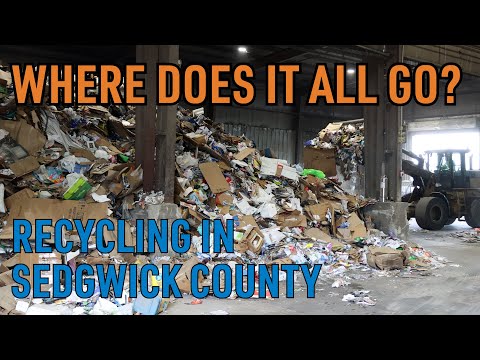
Inside the recycling plant: How curbside material is sorted and where it goes
Summary
A Stutzman Refuse Disposal presenter walks viewers through how mixed curbside recycling from Sedgwick County and South Central Kansas is sorted, what the facility accepts and rejects, and how robotics and local mills turn collected material into new products.
"Do you ever wonder where your curbside recycling ends up and how it's used?" asked Speaker 1, a presenter at Stutzman Refuse Disposal, at the start of a brief tour of the plant in Hutchinson, Kansas.
Speaker 1 said the facility processes around "100 tons every day" and handles mixed, single-stream recycling collected from Sedgwick County and South Central Kansas. "If you put your recycle at the curb there is about a 95% chance that it comes here," the presenter said, describing the plant as a central sorting hub for the region.
The plant receives mixed material that is dumped and loaded into the front end of the operation, Speaker 1 said, then is separated by "a combination of machinery and humans." Automation plays a visible role: "We have 7 robots here that help us sort material," Speaker 1 said, adding that three robots focus on separating kinds of plastics and four perform quality-control work to make finished bales more pure. Speaker 2 added that the robots have a higher picking rate than people, allowing the facility to produce more bales and find buyers for them.
Speaker 1 listed preferred items for curbside collection: plastic and metal containers, papers and cardboard, and glass jars and bottles. The presenter said containers that held oil or pesticides are accepted only if they are empty. By contrast, Speaker 2 and Speaker 1 said the plant does not accept wood, electronics such as computers or hairdryers, or clothing items like shoes or T-shirts. They also warned against putting recyclables in plastic bags: "Do not put your material in plastic bags. Put it loose in your container," Speaker 1 said, noting that loose material is easier to sort and more likely to be marketed.
Addressing a common misconception, Speaker 1 said recyclables do not "go straight to the landfill," pointing to the dedicated facility for recycling behind them and explaining that the plant sells sorted material to mills that grind it down and incorporate it into other products.
For residents seeking details on local collection rules, Speaker 1 directed viewers to Sedgwick County's online recycling guide or to contact their local waste service.
The segment ends with an invitation to consult county guidance for specifics on acceptable items and collection practices.