
Committee advances bill limiting design‑defect claims tied to optional external firearm features
Get AI-powered insights, summaries, and transcripts
Subscribe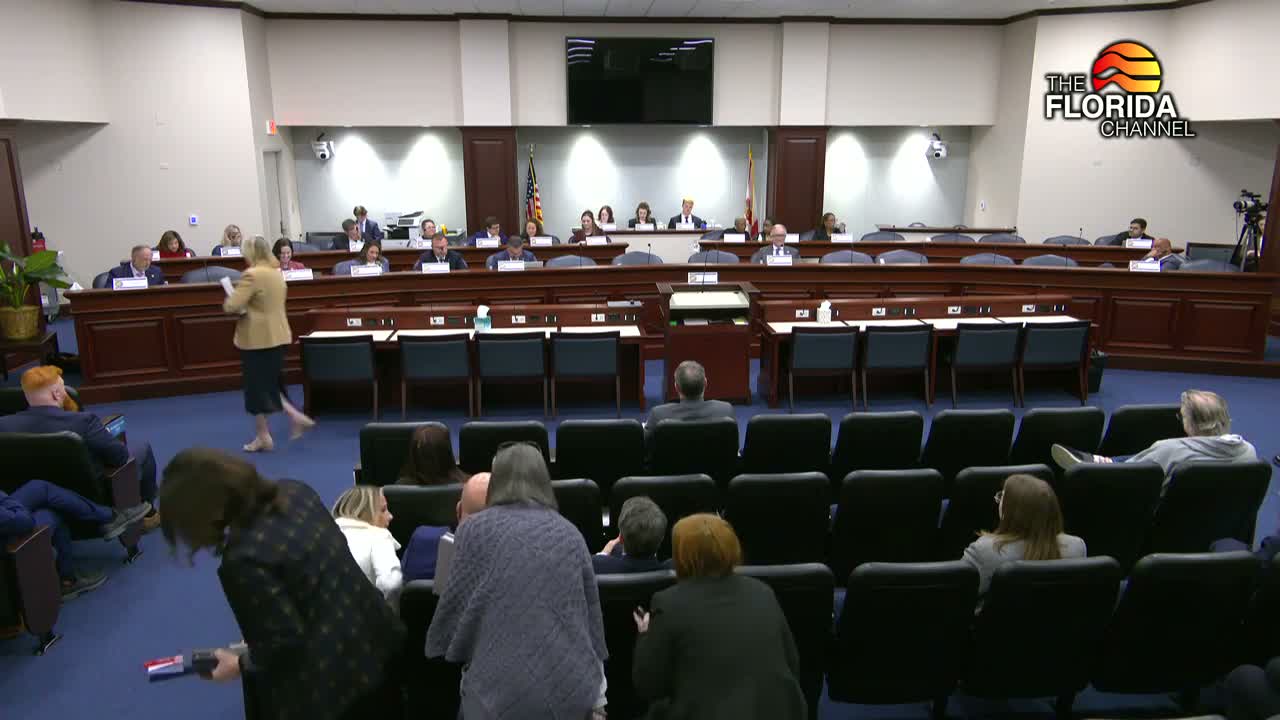
Summary
The subcommittee reported HB 15 51 favorably (13‑4). Sponsor Rep. Duggan said the bill bars using the presence or absence of optional external features as the sole basis for liability while preserving claims based on internal or manufacturing defects; opponents warned it could restrict design‑defect litigation in practice.
Representative Duggan told members HB 15 51 would clarify Florida products‑liability law for firearms by specifying that an external feature not required by federal law cannot be the predicate for claiming a firearm is defective, while internal or manufacturing defects remain actionable under section 3. "If you elect to buy a product with certain options and features, you cannot come back later and claim that the absence or presence of those features is a defect," Duggan said.
Industry witnesses including Bobby Cox of SIG Sauer urged the committee to pass the bill, arguing optional features should not be treated as per se defects and that law enforcement and agencies should retain choice of equipment. Cox said manufacturers "do not want to be sued instead of fixing their product," but affirmed manufacturers remain responsible for defective firearms. Opponents, including Eric Tinsman of the Florida Justice Association, countered that the bill's language would immunize manufacturers from design‑defect theories and cited multiple reports of "ghost firing" and injuries tied to certain pistol platforms. Tinsman warned: "In a products liability action involving a firearm, a firearm manufacturer is not liable under a theory of defective product design," calling that phrasing "a scary statement." Roger Helms, a firearms expert and attorney, argued the bill would limit juries' access to evidence and deny harmed officers the ability to seek redress.
Members pressed the sponsor on whether the bill would affect pending litigation and whether design‑defect claims would remain in cases alleging internal failures ("ghost firing"). Duggan repeatedly said the bill is not retroactive and that section 3 preserves claims based on manufacturing defects or failures to operate consistent with express warranties. Several members asked the sponsor to clarify language to expressly preserve design‑defect claims where appropriate; the sponsor agreed to continue drafting conversations.
After debate and public testimony, the committee took a roll call and reported HB 15 51 favorably by a vote of 13 yeas and 4 nays. The bill will proceed to later consideration with sponsors and critics indicating further discussions about statutory language are expected.