Get AI Briefings, Transcripts & Alerts on Local & National Government Meetings — Forever.
Senate panel advances bill expanding school‑board members’ access to district records and limiting nondisclosure agreements
Summary
SB 1620 would give individual school‑board members free, timely access to district documents, restrict nondisclosure agreements and allow limited direct contact with staff; proponents said the bill protects oversight while opponents warned it could undermine superintendent authority and confidentiality.
Senator Leake introduced SB 1620 as a "School Board Members Bill of Rights," proposing free and timely access for individual board members to district documents, a prohibition on many nondisclosure agreements, and the ability for board members to request information directly from staff without superintendent permission. Sponsors said the bill corrects practices that have frozen out elected members from oversight in some districts.
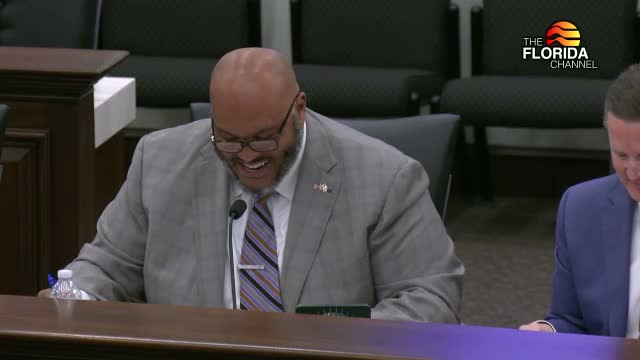
Volusia County officials — including school‑board chair Ruben Colon, superintendent representatives and several board members — testified at length. Opponents warned the bill could create parallel reporting lines, undermine the superintendent’s managerial authority, and expose personnel and student‑privacy data absent clear guardrails. "SB 16 20 moves away from that clarity in three ways," Ruben Colon said, citing access to nonpublic materials, direct staff contact and attorney‑representation changes.
Supporters — including former teachers and board members — argued the proposal restores transparency and prevents misuse of nondisclosure agreements to shield misconduct. "NDAs add nothing to student safety; instead they shield districts from public scrutiny," said Shane Story, who described being charged for public records as a sitting board member.
Committee debate focused on balancing board oversight with operational clarity: sponsors said the bill will be refined to protect confidential student and health information and to include reasonableness limits on staff contact. The committee reported SB 1620 favorably after debate; sponsors committed to clarifying language to limit unintended operational consequences.