Get Full Government Meeting Transcripts, Videos, & Alerts Forever!
Get email alerts on the Parks Audit topic
No spam. Unsubscribe anytime.
City auditor finds park planning gaps, $8M in unused park fees and recommends ordinance changes
Summary
The City Auditor presented Audit Project 044, finding Denton’s park service goals unlikely to be met under current funding and methodology, recommending updates to parkland dedication fee calculations, more granular service‑level goals, and improved asset and maintenance tracking; staff agreed to 15 recommendations.
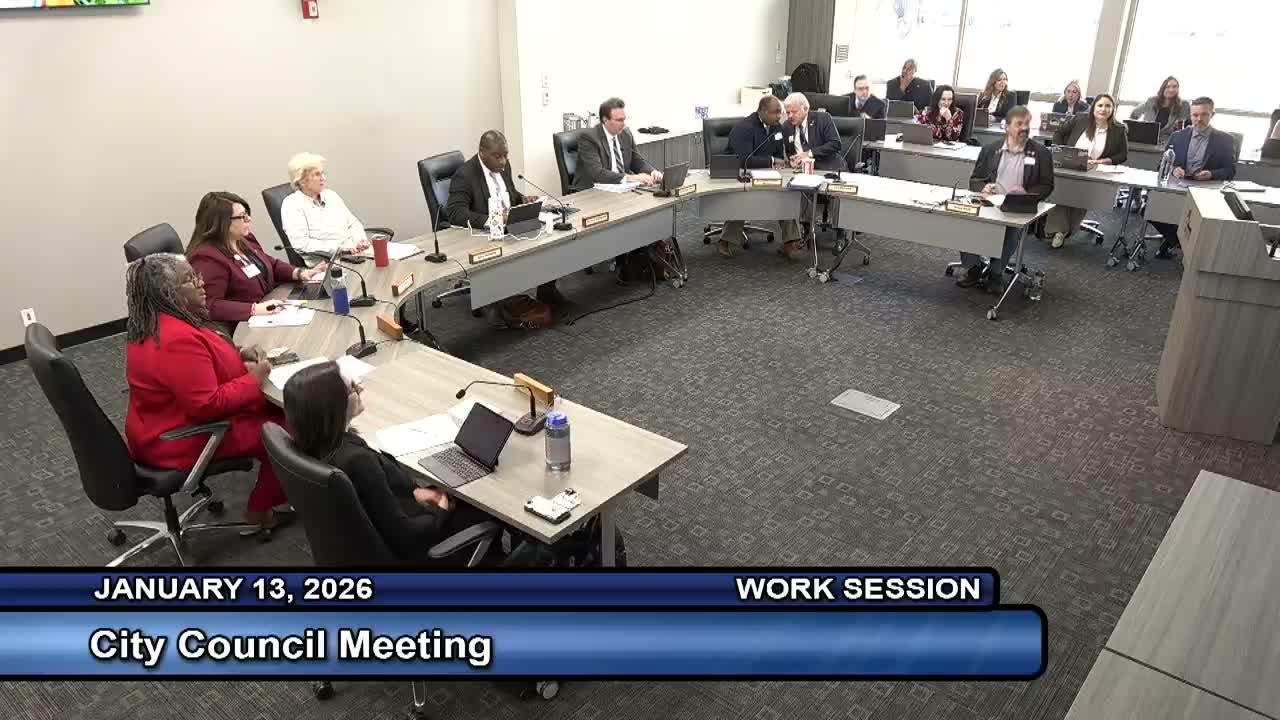
Madison Rorshaw, Denton City Auditor, presented the results of Audit Project 044, which evaluated park planning, parkland acquisition funding and park maintenance practices.
Rorshaw said the city’s Parks, Recreation and Trails System Master Plan (adopted 2022) sets a long‑term goal of 17.5 developed acres per 1,000 residents by 2040, but current trends and estimates suggest the city is not on track to meet that target with existing resources. The audit team estimated that current acquisition forecasts would increase developed parkland by about 1,000 acres by 2040 but population growth would still leave the city well short of the 17.5‑acre goal.
The audit raised three principal fiscal concerns: the 2022 parkland dedication ordinance converts per‑parcel appraised values into a fee‑in‑lieu that likely undercharges developers (because it uses parcel appraised values rather than per‑acre market value), the $20.22 per‑unit park development fee appears to underestimate true development costs given park acreage assumptions, and roughly $8 million in fees remain unused under geographic restrictions of the older (1998) ordinance and may have to be refunded if not spent timely.
On operations, audit staff noted that asset inventories historically lacked condition and age data until a December 2025 update, maintenance classifications are not clearly linked to assets in a centralized inventory, and a citywide work‑order system was not renewed in 2022 and its replacement has been paused — hindering comprehensive tracking of maintenance needs. The audit issued 15 recommendations covering ordinance updates (fee methodology and fare market valuation), formal procedures for park acquisition and development, zone‑specific service goals for amenities (restrooms, splash pads, hoops), improved contractor oversight, and consistent record retention for pesticide and maintenance forms.
City staff and council members responded in the meeting: Parks staff and the City Manager emphasized practical steps (working with developers to provide standardized park templates, engaging in active acquisition strategies and re‑implementing an electronic work‑order system). Council members asked for faster action and a near‑term implementation schedule rather than waiting for the 2027 master‑plan update. Rorshaw said the auditor’s office will follow up in fiscal year 2028 unless council directs earlier review; council signaled interest in an accelerated staff response and earlier status reports.