Panel weighs $2-per-pack cigarette tax and 95% vapor tax in bid to fund health programs
Loading...
Summary
HB 2382 would raise the cigarette tax by $2 per pack, restructure the vapor-products tax to 95% of retail price, and direct initial revenue to emergency medical systems and enforcement before supporting foundational public‑health services. Public‑health groups strongly supported the bill; retailers and small‑store owners warned of regressivity and illicit markets.
Committee staff briefed House Finance on HB 2,382, which would raise Washington's cigarette excise tax by $2 per pack (from about $3.025 to $5.025 per pack), change the vapor‑products tax from a milliliter basis to a 95% ad valorem tax on taxable sales effective July 1, 2026, increase some other tobacco product caps and direct revenue to specified accounts. Staff said the bill would direct the first $10 million per year from the cigarette increase to a new Time Sensitive Emergency System account for cardiac, stroke and similar services, $2 million per year to a nicotine and tobacco enforcement account, and the remainder initially to the general fund until June 30, 2028, at which point a portion would flow to the Foundational Public Health Services account.
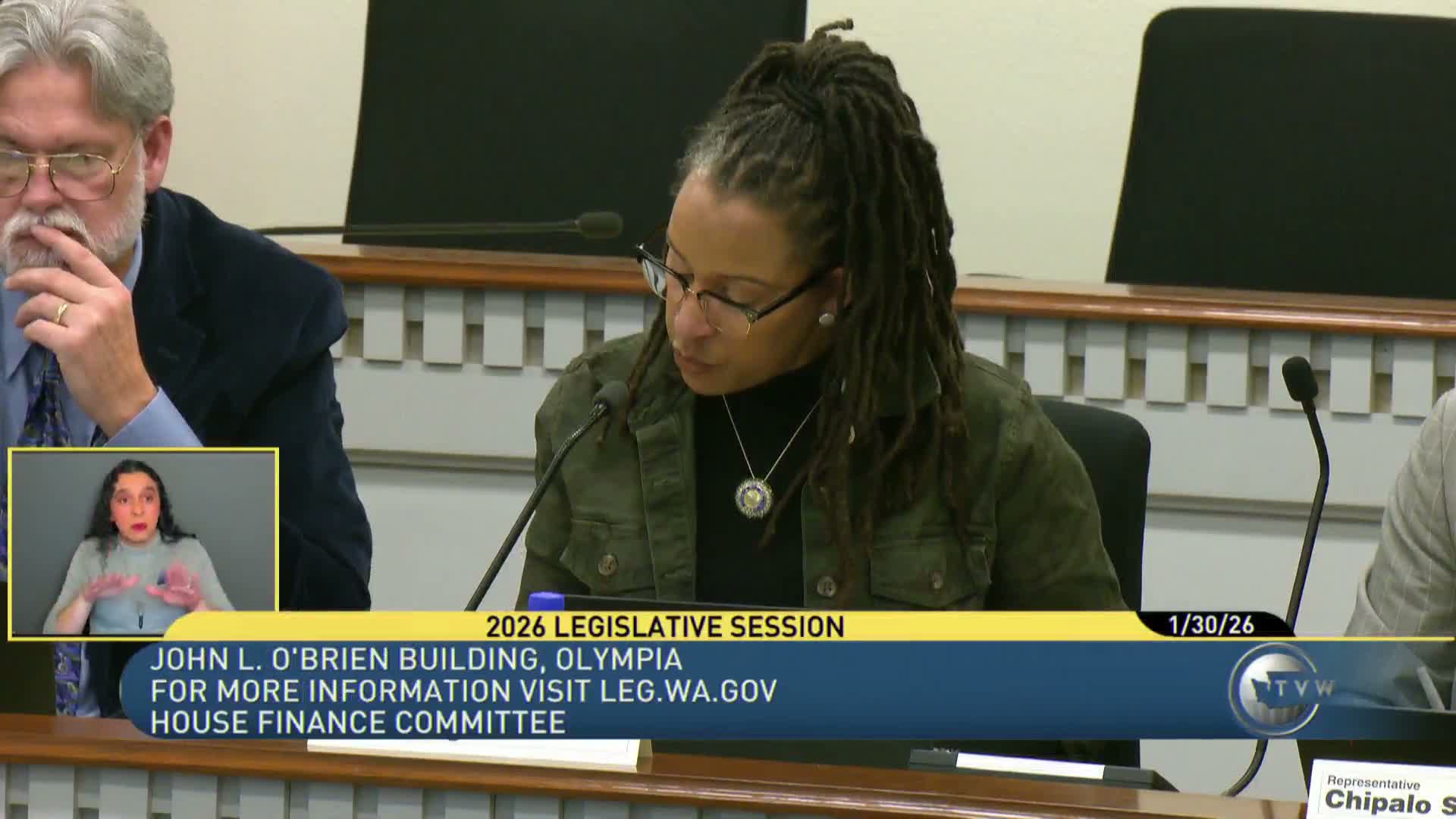
Sponsor Representative Parsley described the bill as the outcome of a broad stakeholder process and said the changes would restore and protect funding for cancer research, emergency services and public health. "This bill generates revenue," the sponsor said, adding it aims both to reduce tobacco harms and help the state's budget amid revenue pressures.
Public‑health groups supported the tax increases. Heidi Lau of the Campaign for Tobacco‑Free Kids said higher prices reduce youth initiation and lead to population health benefits; her group estimated that a $2 per pack increase could prompt tens of thousands of adults to quit and prevent thousands of youth from starting. Megan Moore of the Washington State Public Health Association said restored funding is needed to support foundational public‑health services across counties.
Retail and industry groups cautioned that the taxes are regressive and could push sales into illicit markets or across borders, harming smaller stores that rely on tobacco sales for foot traffic. The Washington Food Industry Association and Washington Retail Association urged amendments and further study on impacts to small, independent retailers. Several witnesses asked that part of the revenue be explicitly directed to cessation and prevention programs.
The committee closed public testimony after a long panel of proponents and opponents and suspended action to allow staff and members to review fiscal and implementation details. The hearing recorded no committee votes on Jan. 30.