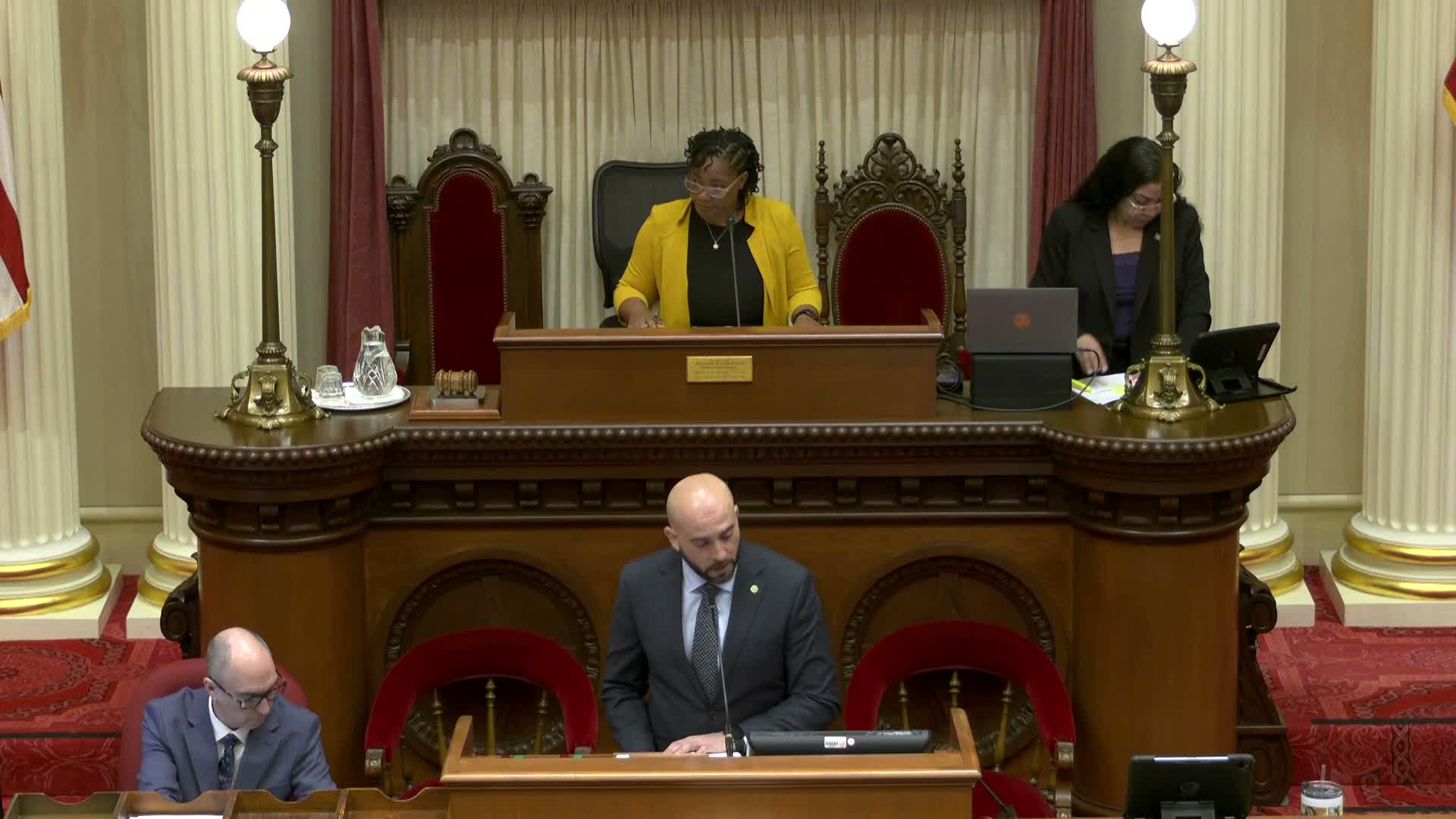
California Senate approves ‘No Kings Act’ to let state courts hear suits against federal officers
Loading...
Summary
After lengthy, emotional debate, the California State Senate passed SB 747 to give state courts a civil cause of action when federal officers violate constitutional rights. Supporters said the bill closes an accountability gap; opponents warned it could expand litigation and affect local law enforcement partnerships.
Senators passed SB 747, the No Kings Act, after a daylong floor debate that divided the chamber along lines of civil-rights advocacy and law-enforcement concern. The bill, authored on the floor by Senator Scott Wiener, would create a cause of action in California law mirroring the scope of 42 U.S.C. § 1983 so that state courts can adjudicate constitutional violations committed by federal officers.
Wiener, the bill’s author, told colleagues the measure is designed to end “impunity” by federal agents and provide Californians a remedy when federal avenues fail. “If the federal government won’t hold these agents accountable for violating the Constitution, we will,” he said (Sen. Wiener). Coauthor Senator Lena Gonzalez described recent episodes involving federal enforcement as traumatic for her constituents and urged passage to secure due process and safety (Sen. Gonzalez).
Opponents, including Senator Janet Strickland and Senator Valladares, argued the state might be duplicating or expanding existing federal remedies and imposing new liabilities that could increase local government costs and harm law-enforcement recruitment and retention. Strickland warned the bill risks “more litigation and more risk for those on the front lines,” while Valladares highlighted letters from local sheriff and police associations expressing concern it would expand liability beyond current standards.
Supporters countered by noting recent federal-court decisions have narrowed opportunities to sue federal officers and that high-profile incidents—cited repeatedly on the floor—left affected families without what senators called meaningful accountability. Several speakers emphasized that the bill models the defenses and immunities available under existing federal civil-rights law and said the intent was not to change liability for state and local officers.
After extended questioning, clarifications from the author, and floor debate, the roll call registered 30 ayes and 10 nos; the measure passed the Senate. The sponsor stated the bill imports the structure of federal civil-rights law into state statute and preserves existing immunities for local officers while applying the remedies to federal actors. The bill moves to the Assembly for further consideration.
What happens next: The bill is returned to the Legislature’s second house for committee consideration and possible amendment. If enacted, it would create a new state civil remedy for constitutional violations by federal actors while retaining certain statutory defenses and immunities identical to those in current state law.