Get Full Government Meeting Transcripts, Videos, & Alerts Forever!
Committee backs measure to restrict mobile‑home park utility upcharges after resident testimony of overbilling
Summary
House Bill 2459 would limit landlord upcharges in master‑metered mobile‑home parks by tying tenant charges to what the landlord is actually billed and allow a capped administrative submeter fee; tenant advocates described chronic unexplained bills and the committee recommended do‑pass.
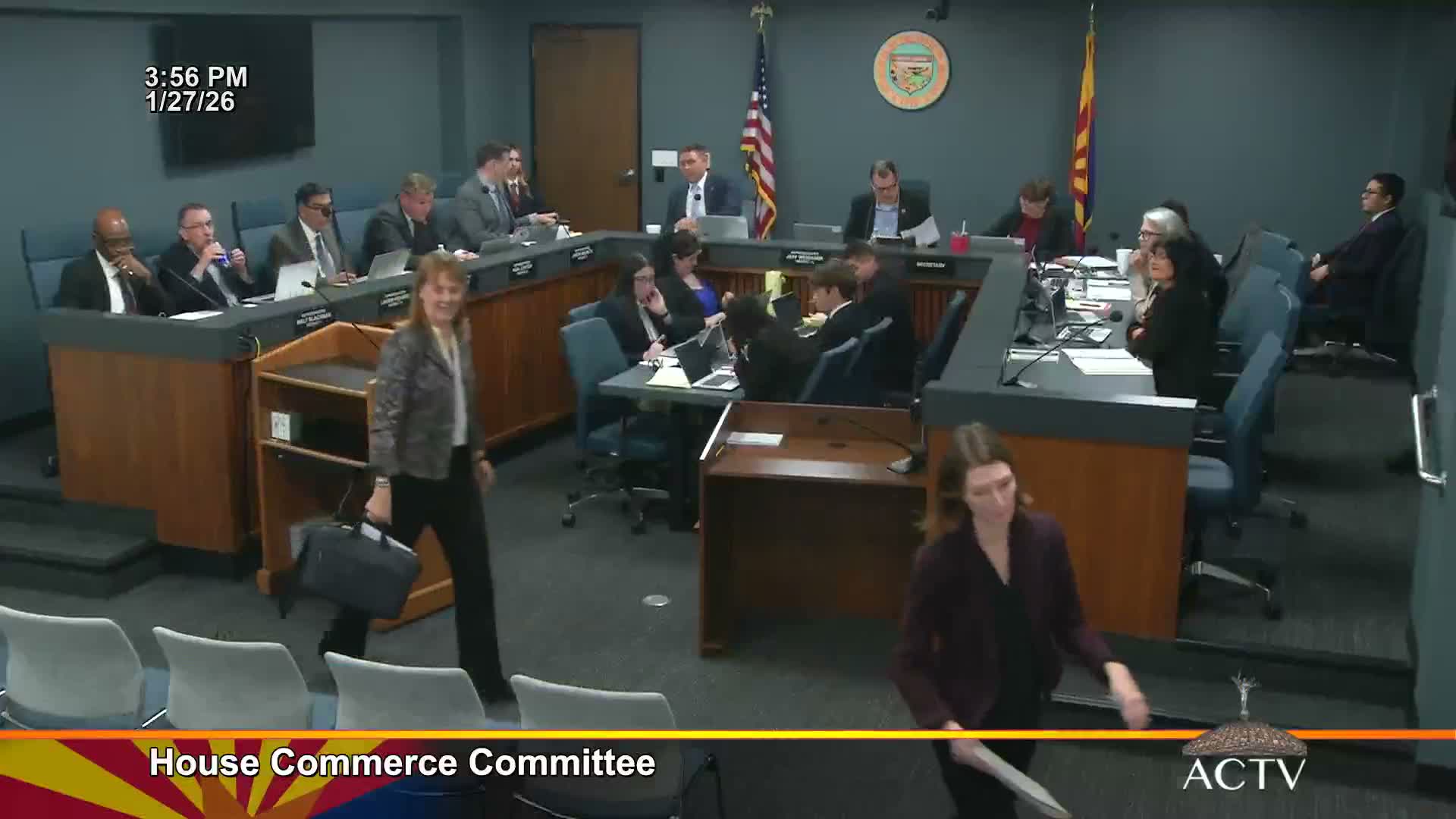
House Bill 2459, intended to increase transparency in utility billing for residents of mobile‑home and manufactured‑home parks, received a do‑pass recommendation from the House Commerce Committee after extended testimony from tenant advocates and park-operator representatives.
Sponsor testimony described problems in master‑metered parks where tenants receive large, unexplained utility bills because the park owner receives a single master meter bill and then allocates charges to tenants. The bill would limit landlords’ ability to pass on charges beyond what…
Already have an account? Log in
Subscribe to keep reading
Unlock the rest of this article — and every article on Citizen Portal.
- Unlimited articles
- AI-powered breakdowns of topics, speakers, decisions, and budgets
- Instant alerts when your location has a new meeting
- Follow topics and more locations
- 1,000 AI Insights / month, plus AI Chat